The author contends that a decisive presidential landslide in 2028 could break the pattern of razor‑thin margins, institutional deadlock, and partisan entrenchment that has plagued modern U.S. politics. Drawing on historical examples — from late 19th‑century state admissions to the sweeping mandates of Roosevelt, Johnson and Reagan — the piece warns that voting‑rights rollbacks and mid‑decade redistricting threaten fair representation. A clear electoral mandate, the essay argues, would restore the ability of a governing majority to pass meaningful reforms and renew democratic accountability.
Why the 2028 U.S. Presidential Election Needs a Landslide: Breaking the Cycle of Paralysis
Hungarian Prime Minister Peter Magyar opened his inaugural address by saying his emphatic victory over Viktor Orbán gave him not only the right to replace the government but a mandate 'not only to change the government, but to change the system as well.' In April, Magyar's party won 141 seats in the Hungarian National Assembly to Orbán's 52 — an overwhelming result that proponents say allowed Magyar to pursue sweeping reforms after years of authoritarian practice and corruption.
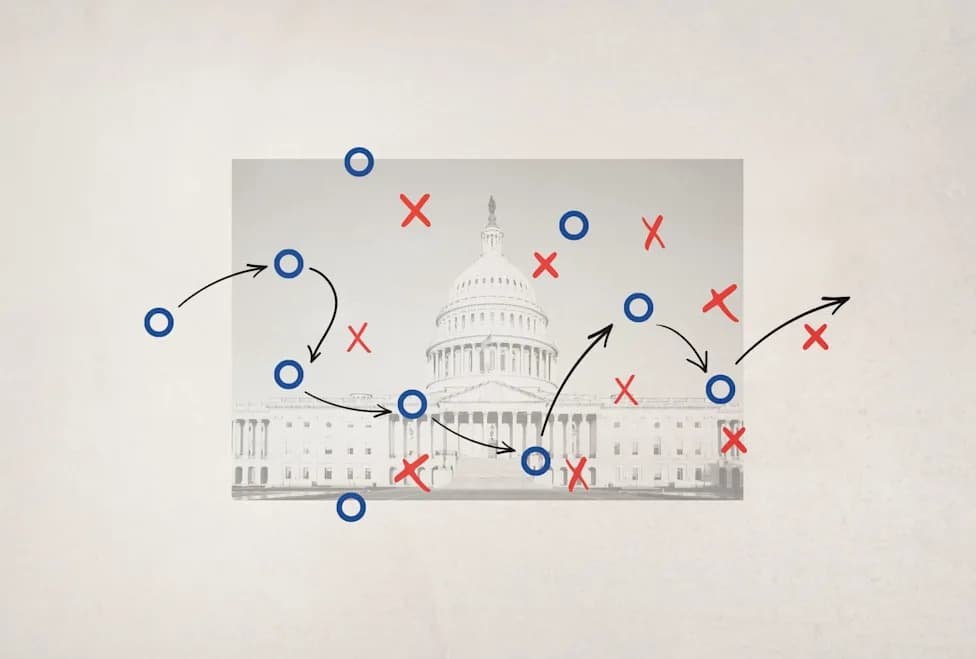
By contrast, American presidential politics have lacked such decisive outcomes for decades. Since 1984 the country has seen few genuine landslides; instead, Republicans and Democrats have repeatedly produced narrow margins and fragile majorities. The result is an era political scientist Frances E. Lee calls 'Insecure Majorities,' where almost every outcome hangs by a thread and meaningful mandates are rare.
In this environment, partisan agendas too often stall, Congress becomes a venue for rhetoric rather than governance, and public disillusionment grows. The United States has faced similar stalemates before. From the post–Civil War years until William McKinley's decisive victory in 1896, elections produced shifting control and frequent deadlock. Democrats won the popular vote in 1876 and 1888 but lost the presidency — a pattern that reappeared in 2000 and 2016 — and parties routinely sought structural advantages to break political impasses.
That historical scramble for advantage sometimes took ugly forms. In the late 19th century, Democrats in the South excluded Black men from the ballot, effectively suppressing votes that might have favored Republicans. As one Black man quoted by Eric Holder observed, 'There’s a hole gets in the bottom of them boxes some way and lets out our votes.' Today, echoes of that strategy appear in different guises: the Supreme Court's rollback of key protections from the Voting Rights Act and a wave of state laws that critics say dilute African American voting power.
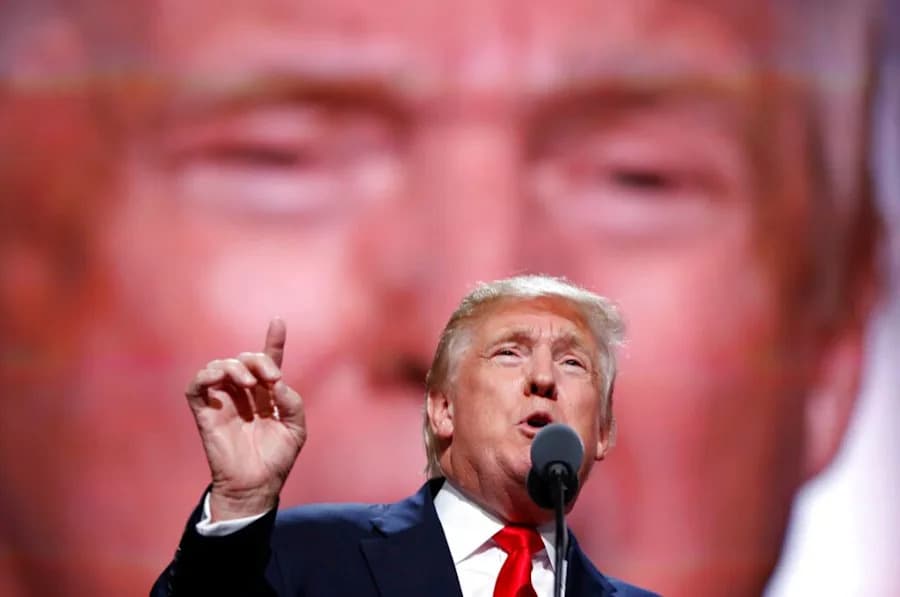
Partisan engineering of the political map is not new. After the Civil War, Republicans sought advantage by pressing for the admission of new Western states — Washington, Montana, Idaho, Wyoming and the Dakotas — moves that shifted electoral power. Modern tactics mirror that impulse: with control of Congress at stake in 2026 and beyond, President Donald Trump has endorsed aggressive mid‑decade redistricting. Reporting in The New York Times warns that severe gerrymandering could allow Republicans to retain a House majority even if they lose the national popular vote.
Democrats have signaled they will respond forcefully. House Minority Leader Hakeem Jeffries has pledged 'maximum warfare, everywhere, all the time,' language that captures the increasingly adversarial posture of both parties. The result is a race to the bottom in which entrenchment and scorched‑earth tactics threaten the long‑term health of democratic institutions.
Why Landslides Matter
Historically, large electoral victories have given governing coalitions the political space to act — sometimes with transformative results. Franklin D. Roosevelt's 1932 landslide allowed him to deploy broad executive power and work with a cooperative Congress to pass New Deal legislation, including the Social Security Act of 1935. Lyndon B. Johnson's decisive 1964 victory opened the door to Medicare, the Voting Rights Act and much of the Great Society agenda. Ronald Reagan's 1980 win provided the leverage to pursue sweeping tax and budget reforms that reshaped policy debates for decades.
When a clear electoral verdict exists, the majority party can pursue sustained policy change rather than resort to anti‑democratic measures designed to cling to power. Landslides can reenergize parties, clarify responsibilities, and allow voters to hold governing coalitions accountable for results.
The author argues that a similarly decisive outcome in 2028 — however politically charged that prospect may be — could break the cycle of razor‑thin majorities, reduce incentives for partisan entrenchment, and restore space for meaningful governance. Whether one agrees with that prescription or not, the underlying problem is plain: narrow margins, institutional gaming, and undermined voting protections strain American democracy.
John Kenneth White is Professor Emeritus at The Catholic University of America and writes on Substack. His most recent book is Grand Old Unraveling: The Republican Party, Donald Trump, and the Rise of Authoritarianism.
Help us improve.