The Port Isabel, Texas, public housing complex largely emptied after a housing authority notice said a federal proposal would require proof of legal status or risk eviction. Many families — including U.S. citizen children — fled even after the agency issued a later clarification. HUD's proposal would bar households from receiving public-housing assistance if any member is found ineligible; advocates estimate up to about 80,000 people could be displaced, and the rule has drawn thousands of public comments and likely legal challenges.
Texas Public Housing Panic Shows Stakes of Proposed HUD Rule That Could Bar Households With Undocumented Members
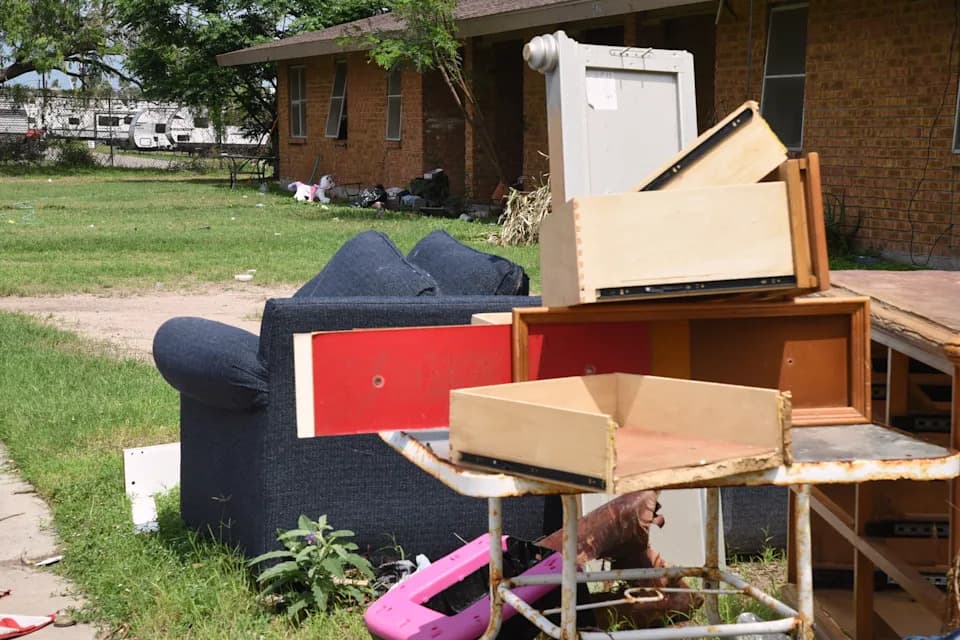
A pile of furniture is piled in a public housing subdivision in Port Isabel, Texas, on April 13, 2026. (AP Photo/Valerie Gonzalez)(AP Photo/Valerie Gonzalez)
PORT ISABEL, Texas — Until recently, small children darted in and out of public housing units in this Gulf Coast town, playing on sunlit lawns while mothers watched for the school bus. Then, within days, couches, dressers and refrigerators began appearing on curbs for movers or trash pick-up.
Within weeks the block felt abandoned and the playground lay empty. The sudden exodus followed a poorly worded notice from the Port Isabel Housing Authority, which told residents a federal proposal was about to take effect that would end housing assistance to any family with at least one member in the country illegally. What unfolded in Port Isabel — a community of about 5,000, many of whom work in hotels and restaurants on nearby South Padre Island — offers a close-up of what could happen elsewhere if the Department of Housing and Urban Development (HUD) finalizes its proposal.
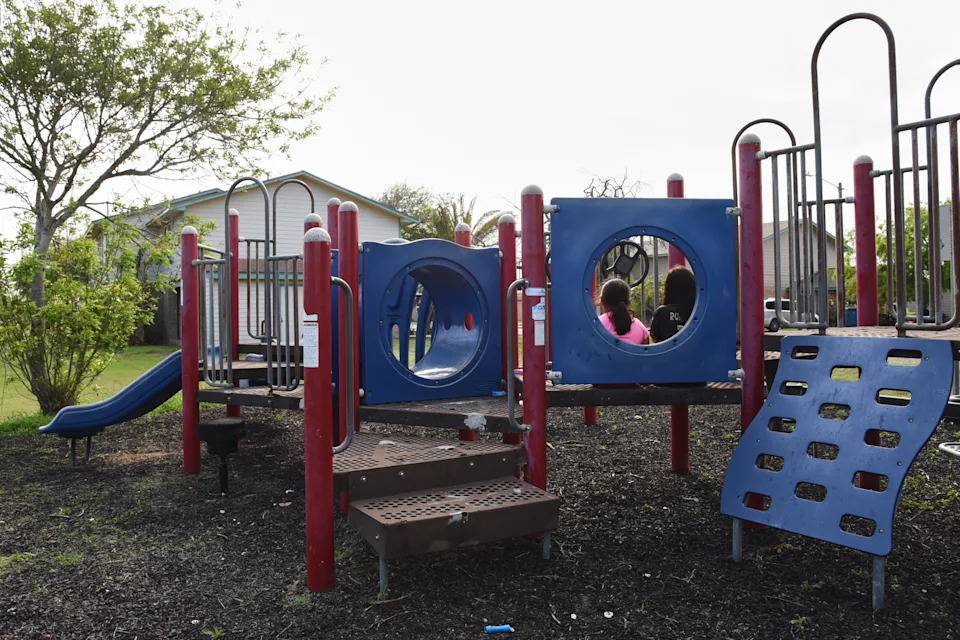
Two sisters play in a neighborhood playground that sits mostly vacant, April 13, 2026, after neighbors left their public housing homes in Port Isabel, Texas. (AP Photo/Valerie Gonzalez)(AP Photo/Valerie Gonzalez)
Confusion, Fear and Rapid Departures
On Feb. 3 the local housing authority sent a letter saying every household member would need to produce proof of legal status within 30 days or face eviction. About three weeks later the agency issued a "clarification" saying such documentation was not required, but by then it was too late. Half of the households living in Port Isabel public housing left within a month of the original notice; occupancy fell from 91% in January to 43% in May, far below the national public housing average of roughly 94%.
"The impact was not limited to undocumented immigrants, but really to immigrants who are here legally as well as people within their families who are citizens," said Marie Claire Tran-Leung, senior staff attorney at the National Housing Law Project.
Who Would Be Affected
For decades, families that included at least one eligible resident were allowed to remain in public housing, provided any household members who were ineligible because of immigration status paid a full, unsubsidized share of rent. HUD's proposed change would disqualify an entire household if any resident were found ineligible.
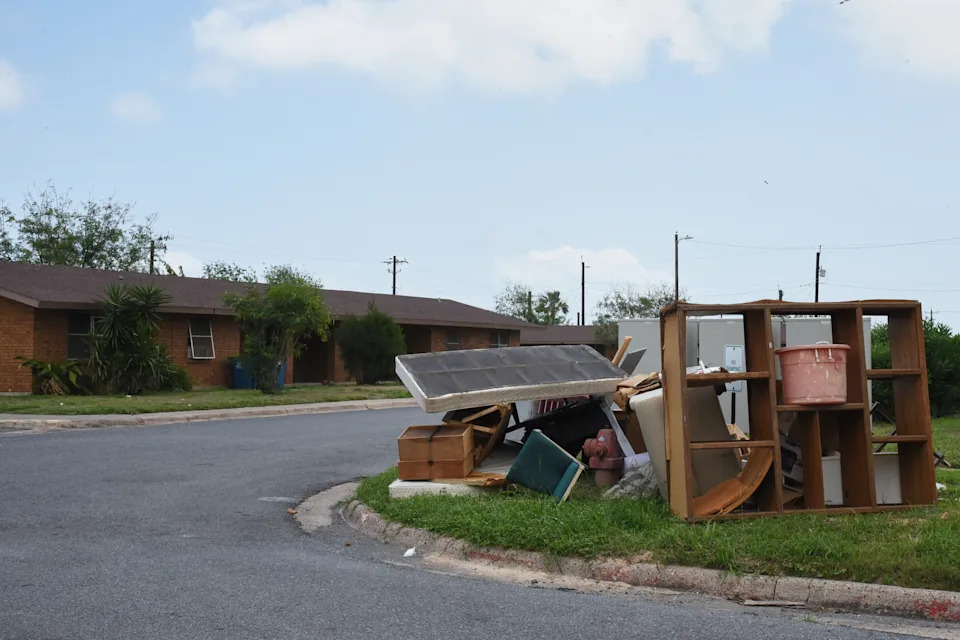
A pile of furniture is seen in a public housing subdivision in Port Isabel, Texas, on April 13, 2026. (AP Photo/Valerie Gonzalez)(AP Photo/Valerie Gonzalez)
HUD initially estimated roughly 24,000 recipients were ineligible across about 20,000 households. Advocacy groups and independent analyses, including the Center on Budget and Policy Priorities, estimate the impact could be far larger — as many as about 79,600 to 80,000 people — with children and Latino families disproportionately affected.
Real-Life Consequences
Many Port Isabel families reported immediate and severe hardship after leaving public housing. One single mother from Mexico who asked to remain anonymous said she and her two teenage children moved despite being told by legal-aid groups they could have stayed. Their new apartment in the same school district costs roughly $500 more per month and added to daily commute times.
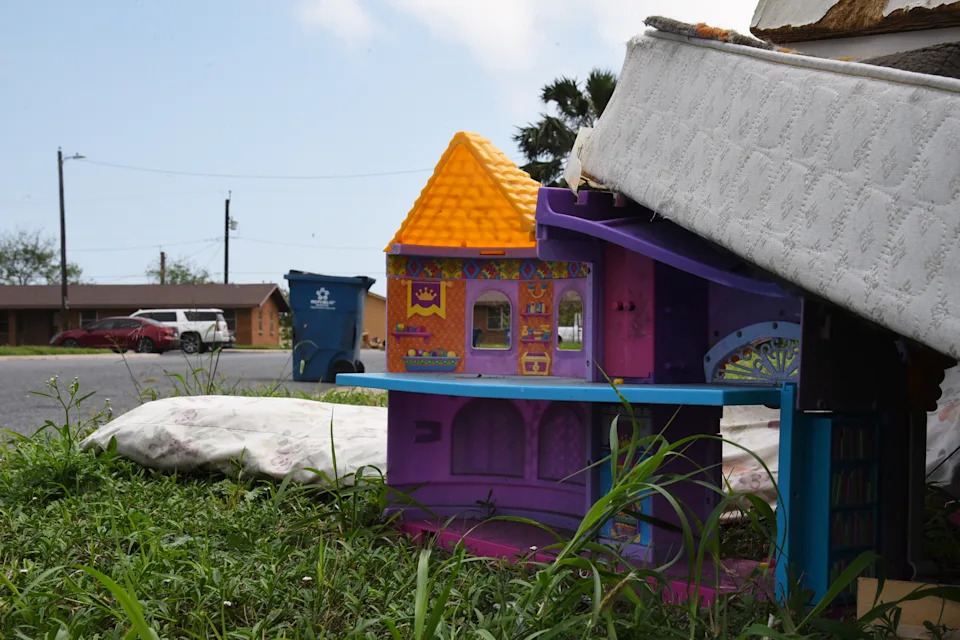
A plastic dollhouse sits among a pile of furniture discarded by families in a public housing subdivision in Port Isabel, Texas, on April 13, 2026. (AP Photo/Valerie Gonzalez)(AP Photo/Valerie Gonzalez)
Other families described even harsher outcomes: one mother of three squeezed her family into a one-bedroom trailer, with her oldest son sleeping in the living room; another sold beds and furniture to move into a tiny trailer only to learn the landlord would not allow them to use the mailing address, complicating school enrollment and health insurance for the children.
Residents and advocates say the episode in Port Isabel shows how a vague or alarmist notice can trigger panic and displacement even before a rule takes effect.
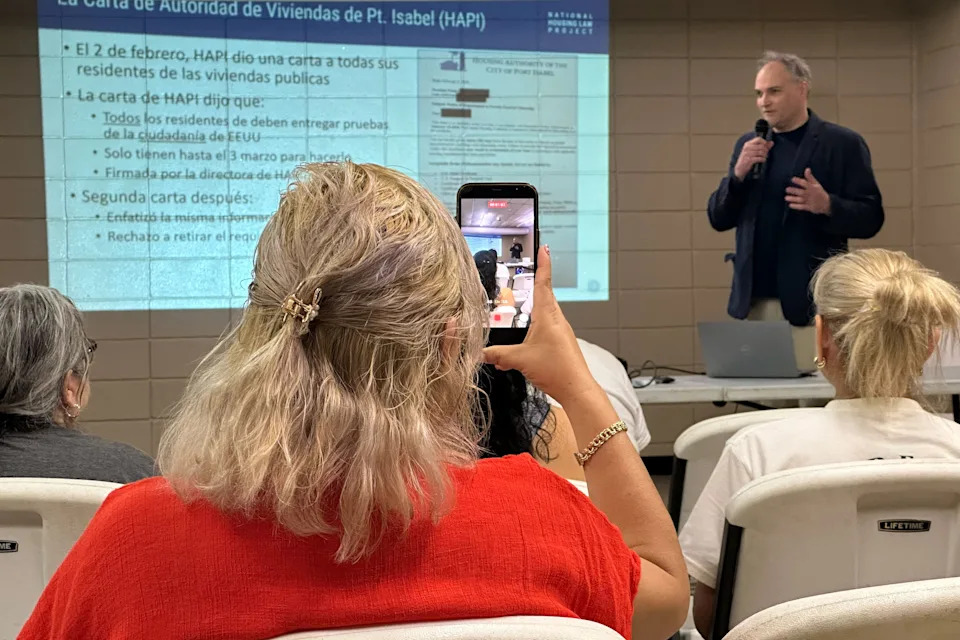
Community members attended a public forum, Feb. 19, 2026, at the Port Isabel Community Center in Port Isabel, Texas, to hear about tenant rights from Eric Dunn, an attorney with National Housing Law Project. (AP Photo/Valerie Gonzalez)(AP Photo/Valerie Gonzalez)
Public Response and Next Steps
The proposed HUD rule drew more than 16,000 public comments, many critical and including objections from city leaders nationwide. The New York City Council told HUD that an estimated 12% of city households include at least one person who lacks legal status, affecting about 240,000 children, and warned the rule would increase displacement, homelessness, poverty and harm to education and health outcomes.
HUD is expected to issue a final version of the rule after reviewing public input. Any final rule is likely to face legal challenges. The Port Isabel Housing Authority did not provide an explanation for its initial notice and did not respond to repeated requests for comment.
Help us improve.