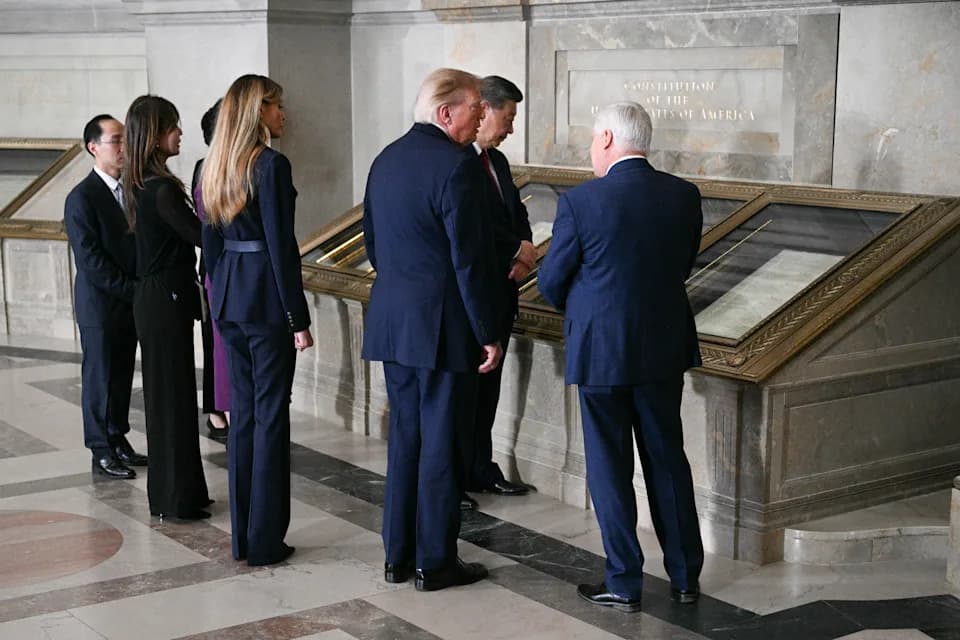
After Thursday's summit, the United States and China released sharply different readouts that highlighted deep policy divergences. The White House emphasized Chinese investment in the US, the Strait of Hormuz and Iran's nuclear program — topics absent from Beijing's statement. Beijing, meanwhile, included a strong warning on Taiwan that Washington omitted. Experts say the gap suggests the meeting was aimed at managing stability rather than reshaping the long-term US-China relationship.
Two Readouts, Two Narratives: How US and China Framed Their Summit Differently
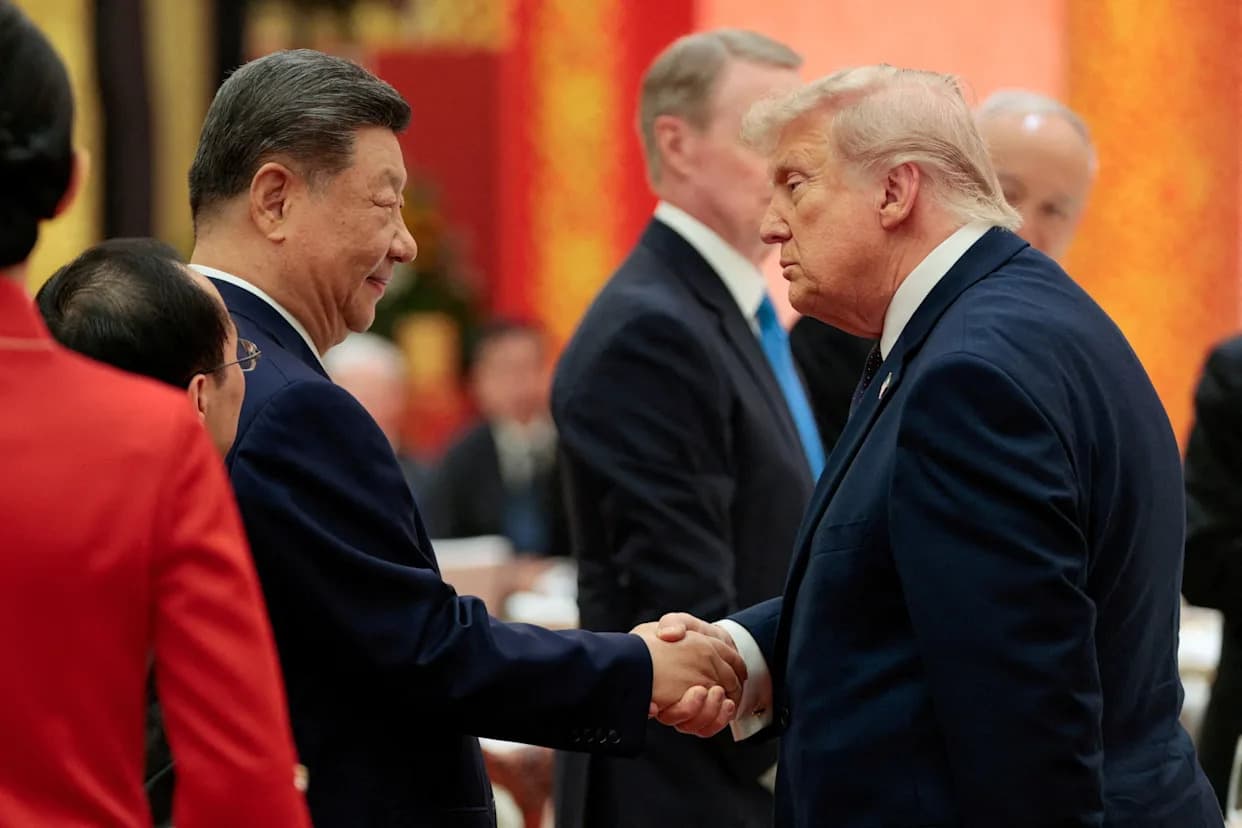
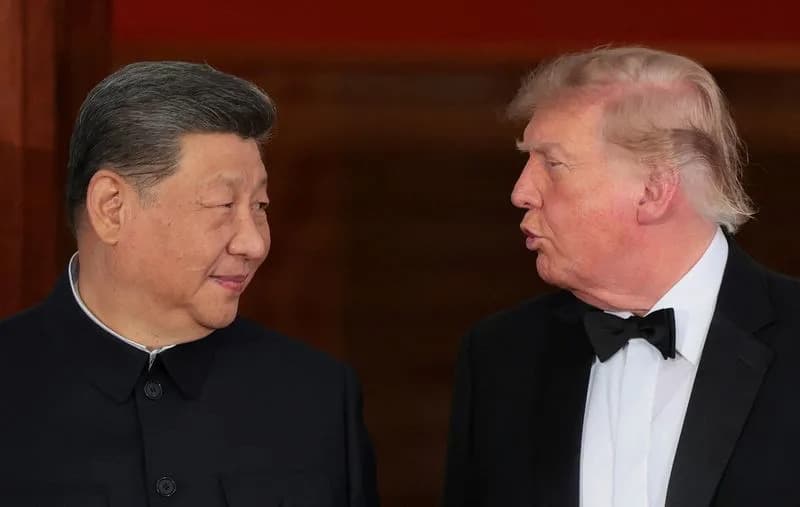
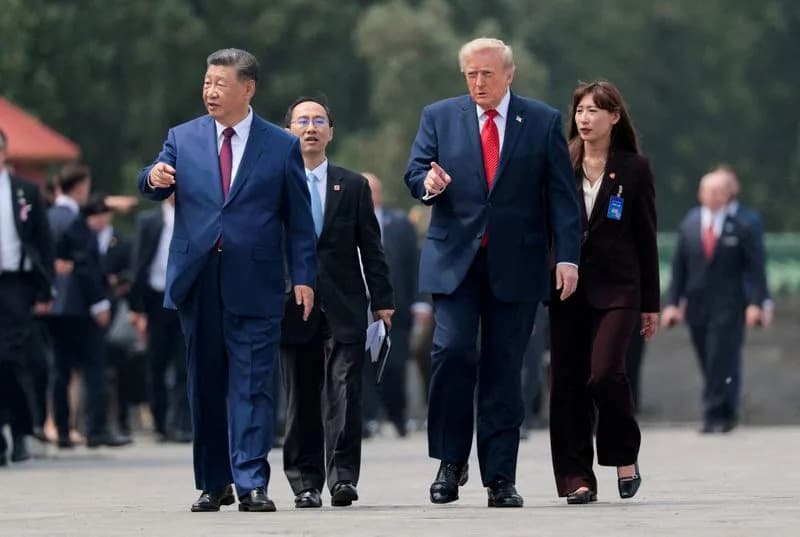
Parallel statements issued by the United States and China after their leaders met on Thursday exposed sharp differences in how each capital framed the talks and their priorities.
What Each Side Emphasized
The White House readout highlighted a set of security and economic concerns, specifically noting Chinese investment in the United States, the situation in the Strait of Hormuz, and Iran's nuclear program. By contrast, Beijing's official statement did not mention those items but included a stark warning on Taiwan that Washington's account omitted.
Different Audiences, Different Messages
Politico's China correspondent described the contrast as "a tale of two readouts," reflecting how each government tailored its message to domestic and international audiences. The divergence underscores competing priorities: Washington underscored regional security and economic ties, while Beijing stressed core sovereignty concerns.
According to the president of the Council on Foreign Relations, the summit is "unlikely to alter the character and course of the US-China relationship long-term" and is better understood as an exercise in managing for stability.
Why It Matters
The differing readouts reveal more than wording: they show how fragile consensus remains on key issues from trade and investment to regional security and Taiwan. Observers say the summit's immediate value was damage control and setting expectations rather than producing major policy shifts.
Bottom line: The statements make clear that, despite high-level engagement, fundamental divides persist and both capitals remain focused on managing risks rather than reconciling strategic differences.
Help us improve.