The number of Salvadorans deported from the U.S. nearly doubled in early 2026 to 5,033 from 2,547 in the same period of 2025, according to Salvadoran migration data. Nayib Bukele has publicly aligned with the Trump administration’s effort to accelerate deportations, including accepting foreign detainees and joining a regional coalition the U.S. calls the "Shield of the Americas." Human rights groups have raised concerns after El Salvador accepted Venezuelan migrants accused of gang ties and amid reports of mistreatment in Salvadoran prisons. Observers say the surge signals a broader hardening of U.S. immigration policy toward the region.
U.S. Deportations To El Salvador Nearly Double As Bukele Aligns With Trump Immigration Push
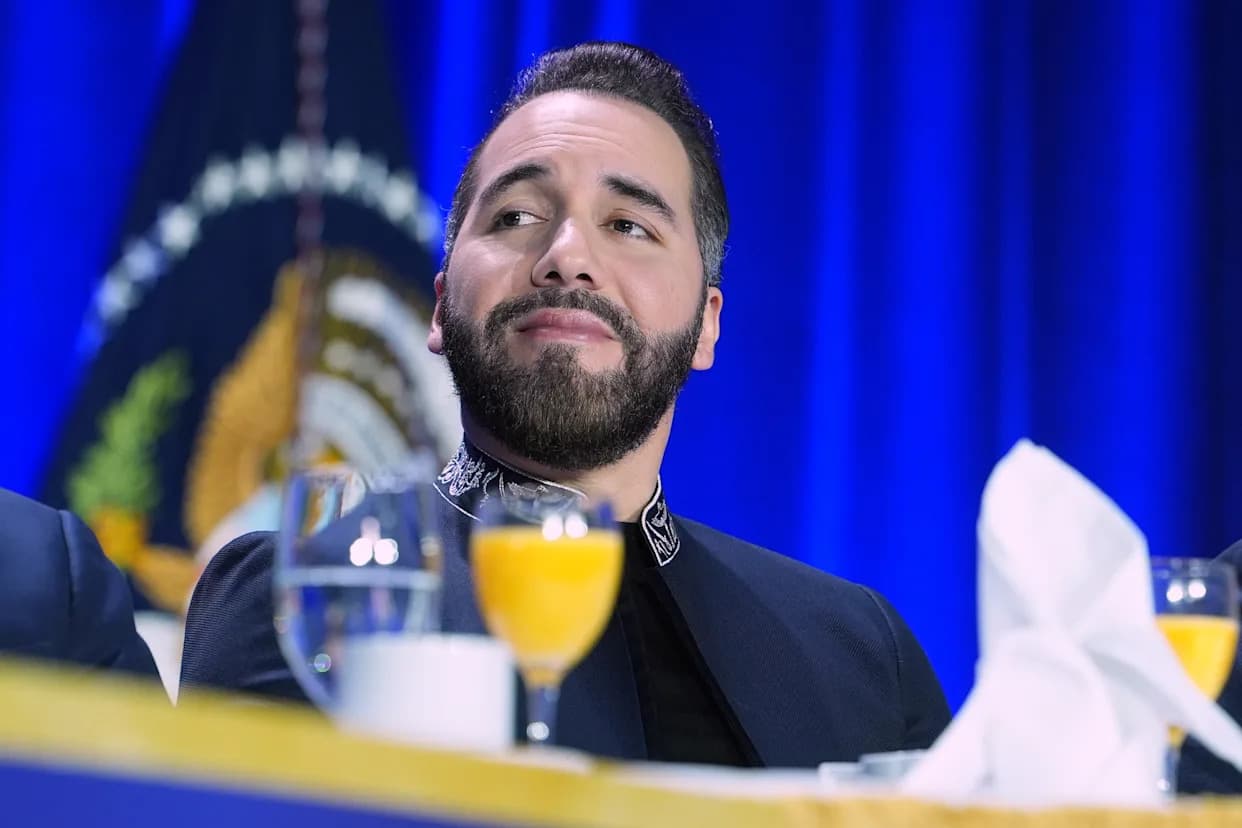
FILE - President of El Salvador, Nayib Armando Bukele Ortez, listens as President Donald Trump speaks during the National Prayer Breakfast, Feb. 5, 2026, in Washington. (AP Photo/Evan Vucci, File)(ASSOCIATED PRESS)
The number of people deported from the United States to El Salvador almost doubled in the opening months of 2026, according to Salvadoran government figures, a surge that coincides with President Nayib Bukele's growing cooperation with the Trump administration on immigration enforcement.
El Salvador’s migration authority reported that 5,033 Salvadorans were returned during January–March 2026, up from 2,547 in the same period of 2025 — a roughly 98% increase. The figure was provided to The Associated Press and comes as deportation flights from the U.S. have increased worldwide. Data compiled by the Asociación Agenda Migrante El Salvador (AAMES) and partner groups show U.S. deportation flights rose about 61% between 2024 and 2025.
Why The Numbers Matter
The U.S. government no longer publishes routine deportation statistics, so analysts rely on partner-country records, flight manifests and independent monitoring to track trends. "The sharp rise in deportations confirms a real hardening of the U.S. immigration system toward the region," said César Ríos of AAMES.
Bukele's Cooperation And Controversies
Bukele — whose domestic agenda includes a hard-line campaign against gangs — has openly aligned with President Donald Trump’s push to accelerate removals and to enlist regional allies. Unlike some neighbors that quietly accepted deportees from third countries, El Salvador has publicly embraced aspects of the U.S. agenda.
In March 2025, Bukele accepted 238 Venezuelan nationals accused of membership in the Tren de Aragua gang and detained them in a newly built "mega-prison" meant for alleged gang members. Human rights groups criticized the transfers and detention conditions, and the episode sparked diplomatic controversy after the U.S. and El Salvador struck a deal that included a reported $6 million payment tied to transfers and imprisonment of foreign criminals.
The relationship also produced a highly publicized mistaken deportation in April 2026: Kilmar Abrego García, a Maryland resident and Salvadoran national with protected status in the U.S., was deported in error. Bukele initially resisted returning him and denied allegations of beatings and torture in Salvadoran prisons — allegations documented by human rights organizations. Abrego García was returned to the United States in June to face charges of facilitating illegal entry, which his lawyers call "baseless." He has pleaded not guilty, and U.S. officials later indicated they intended to pursue deportation to Liberia.
Regional Politics And Broader Impacts
More recently, Bukele joined a bloc of right-leaning governments that the Trump administration dubbed the "Shield of the Americas," presented as an effort to crack down on transnational crime. Mexico and Colombia — two key regional players — did not attend, underlining divisions in the hemisphere over the approach.
Meanwhile, migrants and advocates in the U.S. are closely watching Supreme Court arguments in a separate Trump administration push to end protections for hundreds of thousands of migrants from Haiti and Syria. More than 200,000 Salvadorans currently hold temporary protections, and many fear similar policy changes could affect them.
Background And Takeaways
Bukele's cooperation with U.S. immigration priorities predates the 2024 U.S. election. In 2023, El Salvador imposed a $1,130 transit fee on travelers from dozens of countries connecting through its main airport — a policy enacted amid pressure from the Biden administration to reduce migrant flows toward the U.S. southern border. Migration from El Salvador has also declined in recent years amid Bukele's harsh anti-gang measures, a trend analysts say his government has used as leverage to deflect international criticism over human rights.
Implication: The surge in deportations reflects both a shift in U.S. enforcement and an emerging regional alliance in which El Salvador plays a visible role — raising questions about human rights, legal safeguards and the future of migration policy across the Americas.
Help us improve.