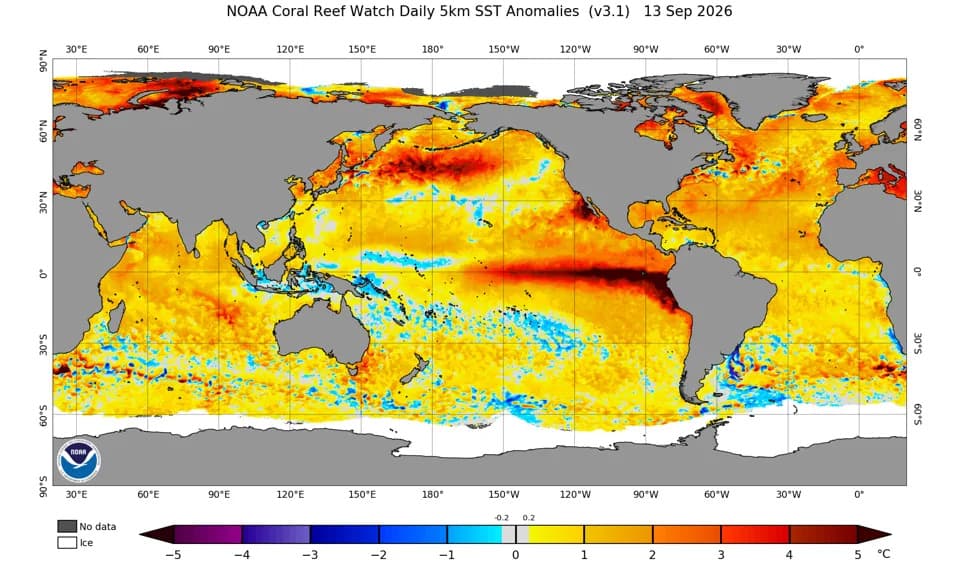
The Northeast Pacific is experiencing a persistent marine heat wave that has raised sea surface temperatures roughly 3–8°F above normal in parts of the West Coast, driving seabirds ashore weak, starving, and sometimes dead. Rescue groups in California are treating dozens of pelicans as scientists warn the pattern echoes past events like the 2014–2016 “Blob” and a recent Australian die-off. NOAA identifies the system as NEP25A — once covering about 10 million sq km in September 2025 — and forecasts suggest warm conditions may persist into summer, especially if El Niño develops. The warming also increases harmful algal blooms, shifts species distributions, and disrupts fisheries and supply chains.
California Marine Heat Wave Threatens Wildlife as Seabirds Wash Ashore
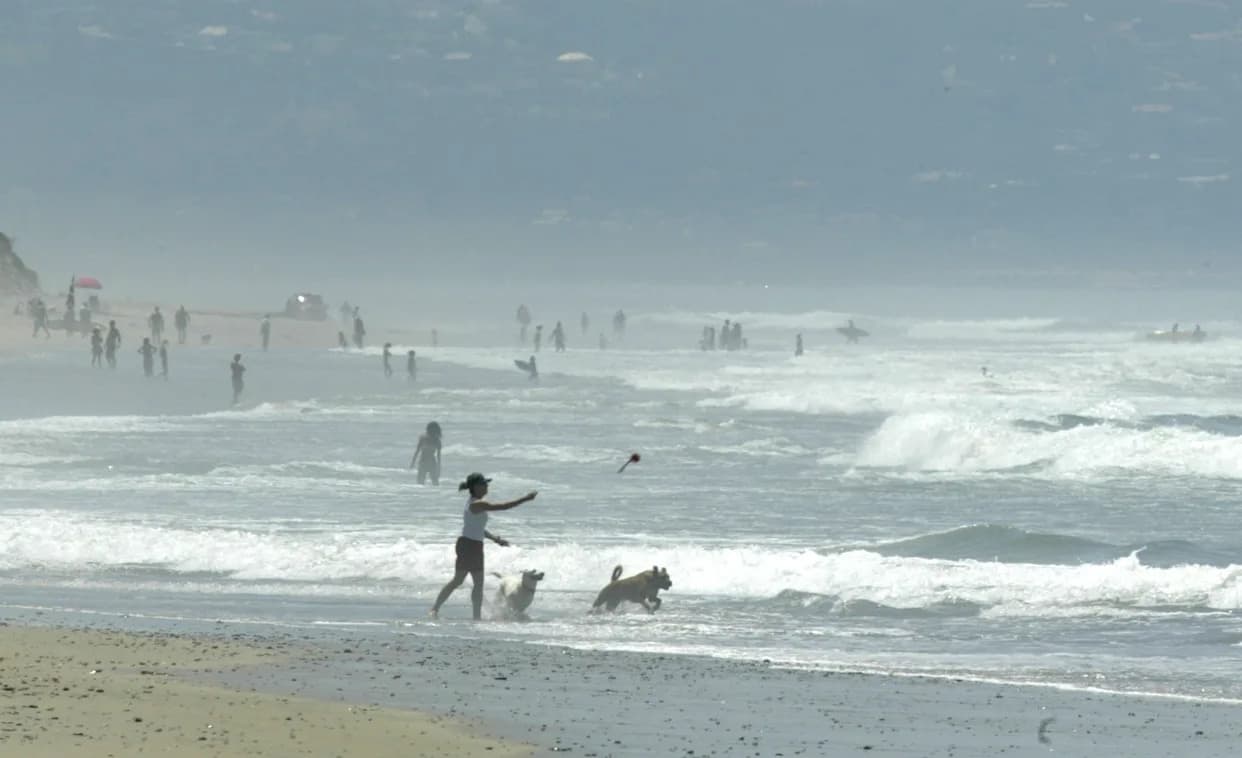
Wildlife faces die-off risk as marine heat wave lingers over California
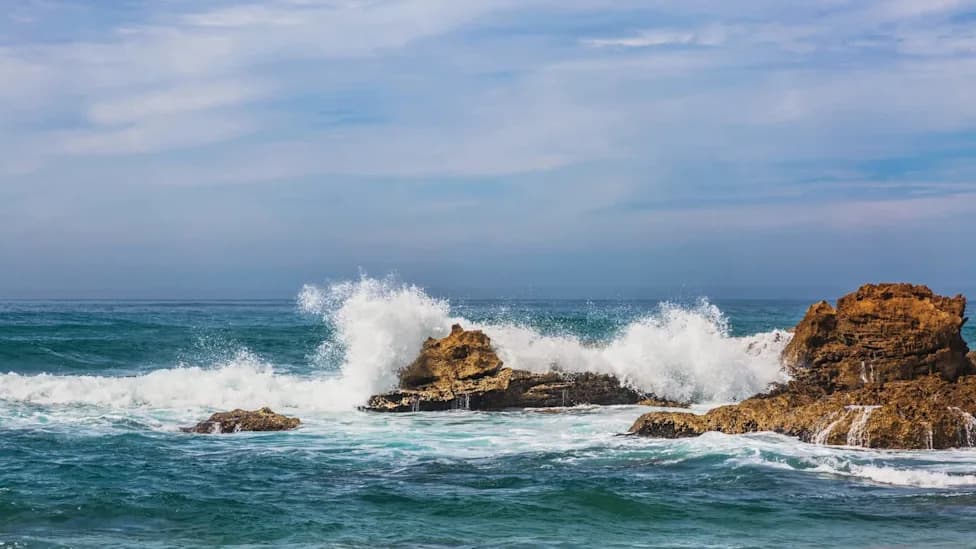
The ocean off California's coast is experiencing another persistent marine heat wave, and the impacts are now visible onshore.
Warming Waters and Visible Impacts
The marine heat wave has spread across much of the U.S. West Coast, from Washington to California, with sea surface temperatures in some areas running roughly 3–8°F (2–4°C) above normal. At Scripps Pier in San Diego, instruments recorded more than 30 days of record-high temperatures through April — about one-fifth of the year so far for that site.
Seabirds Washing Up
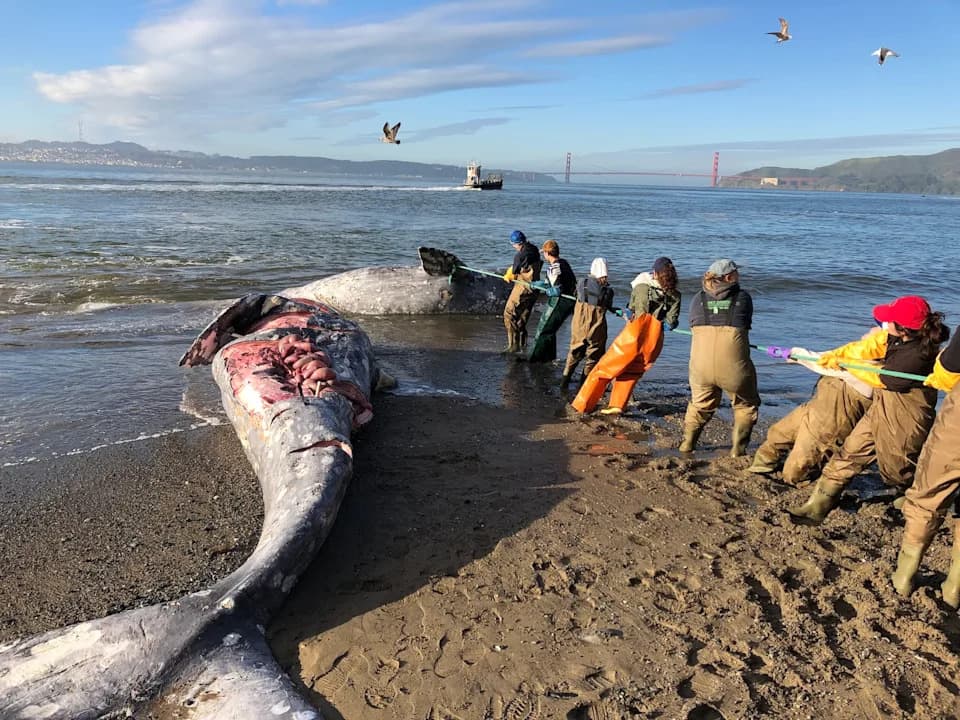
Scientists say sudden ocean warming can cascade rapidly through food webs, from plankton to fish to the predators that depend on them. As forage fish move deeper or farther offshore in search of cooler water, seabirds are finding it harder to feed. Rescue groups and wildlife officials report seabirds turning up on beaches weak, underweight and, in some cases, dead.
The International Bird Rescue reported caring for roughly 20 starving pelicans at its Fairfield facility and nearly 50 more at its Southern California hospital in San Pedro, according to local outlets.
History and Scale: Lessons From Past Events
Researchers compare the pattern to past marine heat waves. During the 2014–2016 event known as “The Blob,” ecosystems across the North Pacific were severely disrupted. An estimated 62,000 Common Murre carcasses washed ashore from California to Alaska in winter 2015–2016, though scientists believe the true mortality was likely far higher because most carcasses never reach beaches. Investigations found no signs of disease; starvation linked to prey redistribution was the leading explanation.
A large marine heat wave in Australia two years ago was estimated to have killed more than 600,000 seabirds, a reminder that headline counts can dramatically understate total mortality because many animals never wash ashore.
Current Event: NEP25A
NOAA has identified the current system as NEP25A. The system briefly reached a record area for the region in September 2025, covering about 10 million square kilometers of the Northeast Pacific. It later contracted but re-intensified along the coast in December and has remained unusually warm through winter and into spring, producing some of the highest coastal sea surface temperatures on record for this time of year.
In spatial extent, the event has at times rivaled the 2014–2016 Blob, though scientists say it has not yet matched that earlier event in both duration and depth of warming — two factors that drove more severe ecological damage previously.
Outlook and Broader Consequences
Forecast models indicate the marine heat wave will likely persist offshore through spring and summer. There is an increasing chance of additional coastal warming if an El Niño develops later in 2026; as of April, NOAA classified conditions as ENSO-neutral and issued an El Niño watch.
Warmer, slower-moving waters also favor harmful algal blooms, which can discolor coastal waters and produce toxins that lead to beach advisories or temporary fishery closures. Shifts in species distributions — including more frequent jellyfish sightings in some areas — and disruptions to fisheries and shellfish harvests can ripple through supply chains, affecting seafood availability and prices across California.
Long-Term Context
Scientists stress that while marine heat waves can occur naturally, they are becoming more frequent, intense and long-lasting as the global ocean absorbs excess heat from climate change. Oceans have taken up roughly 90% of the Earth’s excess heat over the past 50 years, and global ocean heat content has reached record highs, reflecting a long-term accumulation of heat across the upper ocean layers.
What to watch: seabird stranding reports, harmful algal bloom advisories, local fishery notices, and NOAA ENSO updates through the summer.
Reporting by Brandi D. Addison for USA TODAY. Contact: [email protected]. This article originally appeared on USA TODAY under the headline: California’s marine heat wave is worsening — now seabirds are dying.
Help us improve.