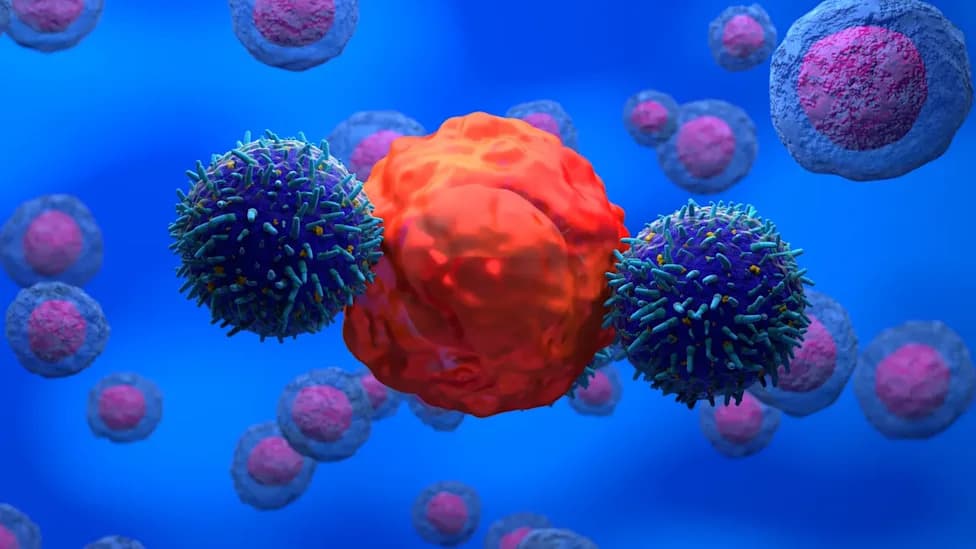
WASHINGTON — Researchers are adapting an advanced cancer therapy to fight HIV by enhancing patients' own immune cells. Early results from a small, early‑stage trial show that a single infusion of engineered CAR‑T cells produced sustained viral suppression in two participants who stopped their regular antiretroviral therapy.
Study Findings
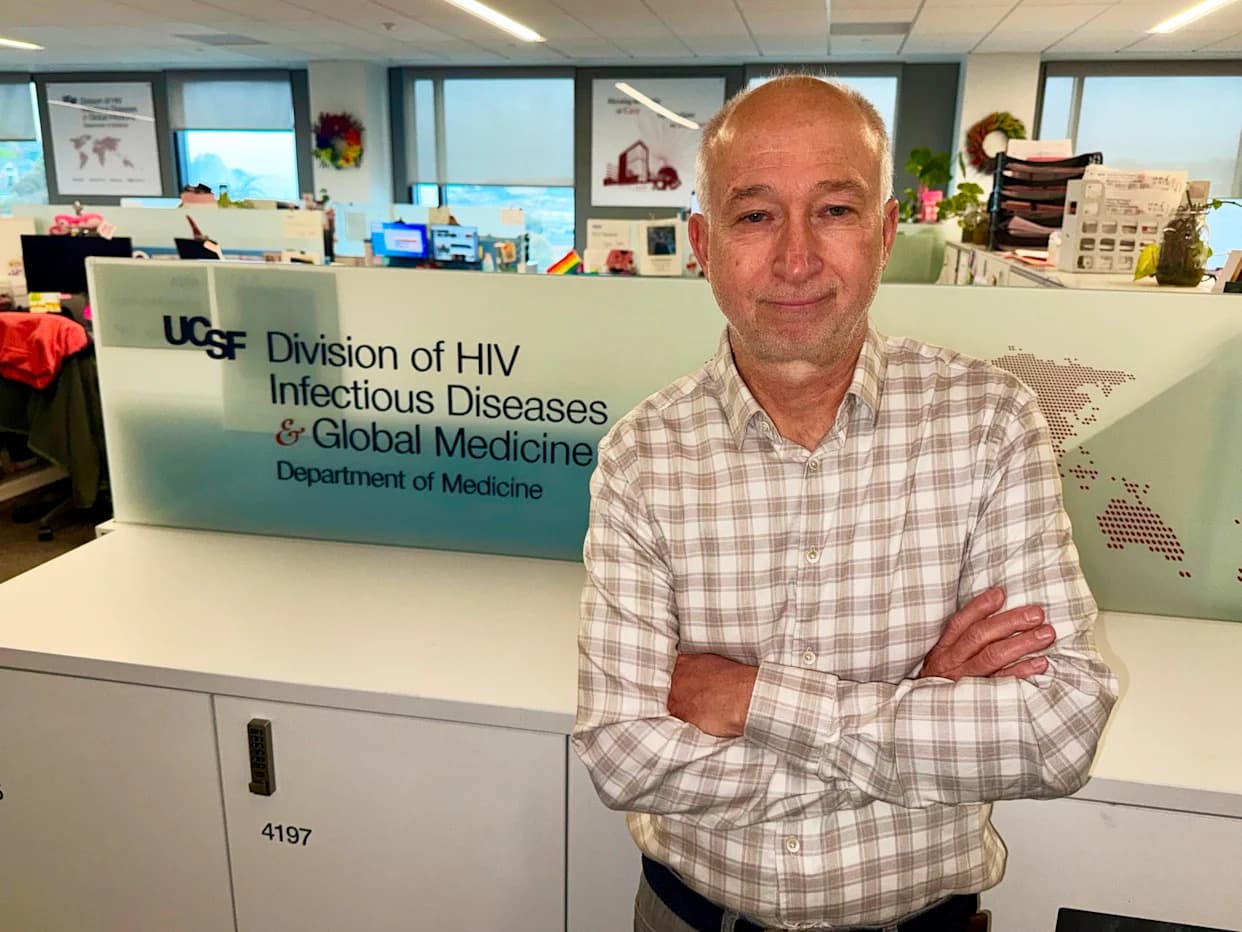
Investigators reported that one participant maintained undetectable virus levels for nearly a year and a second for almost two years after a single CAR‑T infusion. These results were presented at the American Society of Gene and Cell Therapy meeting in Boston. The trial was led by Dr. Steven Deeks of the University of California, San Francisco.
How the Therapy Works
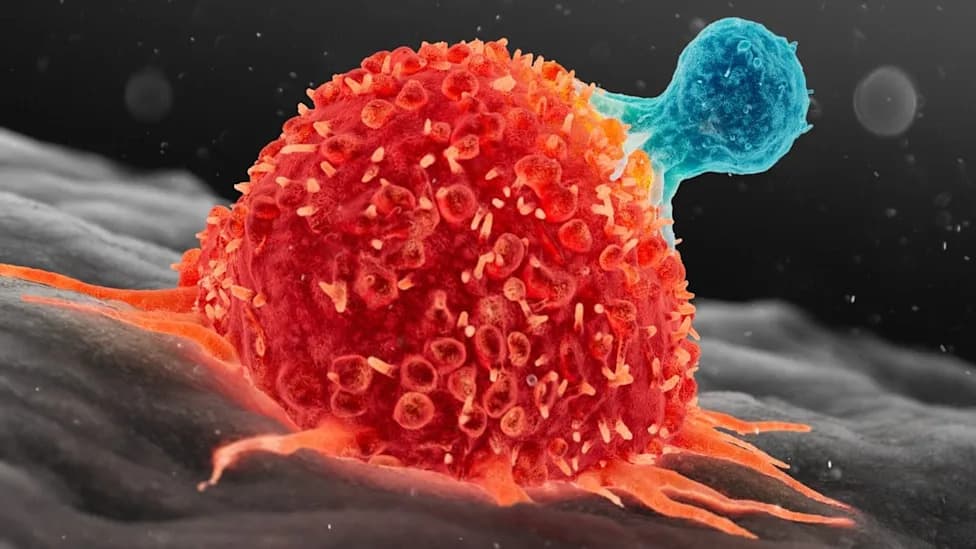
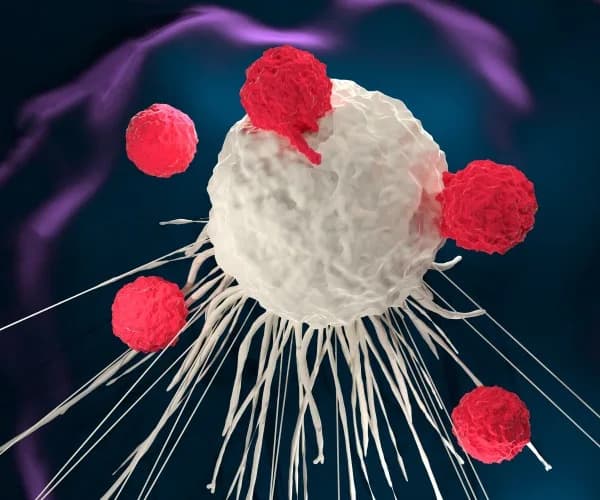
CAR‑T therapy involves collecting a patient’s T cells, genetically engineering them to better recognize and kill infected cells, and infusing them back into the patient as so‑called "living drugs." Caring Cross, a nonprofit developer, designed these CAR‑T cells with two enhancements: improved ability to find and destroy HIV‑infected cells and genetic protection so the engineered cells resist infection by HIV themselves. That protective modification is intended to allow the CAR‑T cells to persist and control the virus over time.
Trial Design and Responses
In this early experiment, participants stopped their antiretroviral medications on the day they received CAR‑T cells so researchers could observe the cells' effect on viral rebound. The first three recipients showed no meaningful response and resumed standard therapy. Six additional participants received a low dose of chemotherapy beforehand to make room for the new cells; two of those participants experienced the sustained, strong suppression described above, and a third had a temporary response before restarting antiretrovirals. No serious adverse events were reported.
Why Early Treatment Matters
All three individuals who showed any suppression had begun antiretroviral treatment soon after infection. Early treatment typically reduces the size of hidden viral reservoirs and preserves immune function, which may increase the likelihood that an immune‑based therapy can control the virus.
Context and Caution
There are nearly 40 million people living with HIV worldwide. Modern antiretroviral drugs can convert HIV into a manageable chronic condition, but they must be taken continuously. Researchers have pursued a cure for decades, drawing lessons from rare natural resistances and from exceptional cases in which stem cell transplants produced long‑term remission—interventions that are not feasible at scale for most people.
“We find the fact that two people have had such a really sustained response provocative,” Dr. Steven Deeks said. “There is a real need for a one‑and‑done, safe and scalable cure ... and this is one of the strategies that we’re pursuing.”
Experts cautioned that the findings are preliminary. Dr. Hans‑Peter Kiem, a gene therapy specialist at Fred Hutchinson Cancer Center who was not involved in the study, said the results are intriguing but require confirmation in larger, longer trials to establish safety, durability and broad effectiveness. amfAR and other organizations are supporting efforts to simplify and scale immune‑based approaches.
Next Steps
Researchers emphasize the need for larger studies to test different dosing strategies, long‑term safety and whether the approach can be made widely accessible. While the early responses are encouraging, they represent a first step rather than proof of a broadly applicable cure.
The Associated Press Health and Science Department receives support from the Howard Hughes Medical Institute’s Department of Science Education and the Robert Wood Johnson Foundation. The AP is solely responsible for this content.