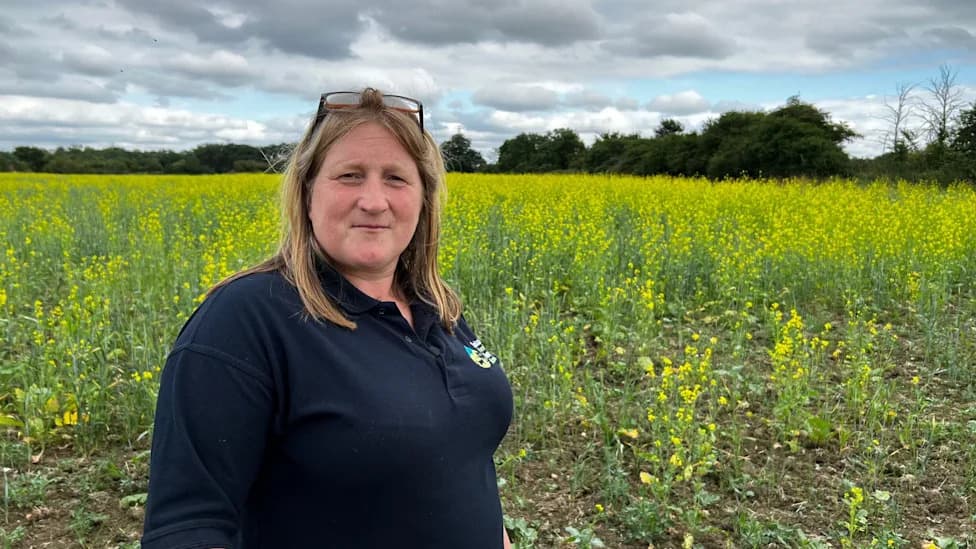
The FAO and WMO warned in April that rising land and ocean temperatures are already disrupting food production and could leave the global food supply "pushed to the brink." Farmers in the hottest regions may be unable to work safely outdoors for up to 250 days a year, threatening worker health, supply chains and economies. Livestock and staple crops such as corn, wheat and rice are showing yield and quality declines. Experts urge rapid adaptation for farmers and steep cuts in the pollution driving climate change to protect food security.
Extreme Heat Is Pushing the Global Food Supply Toward the Brink, UN Agencies Warn
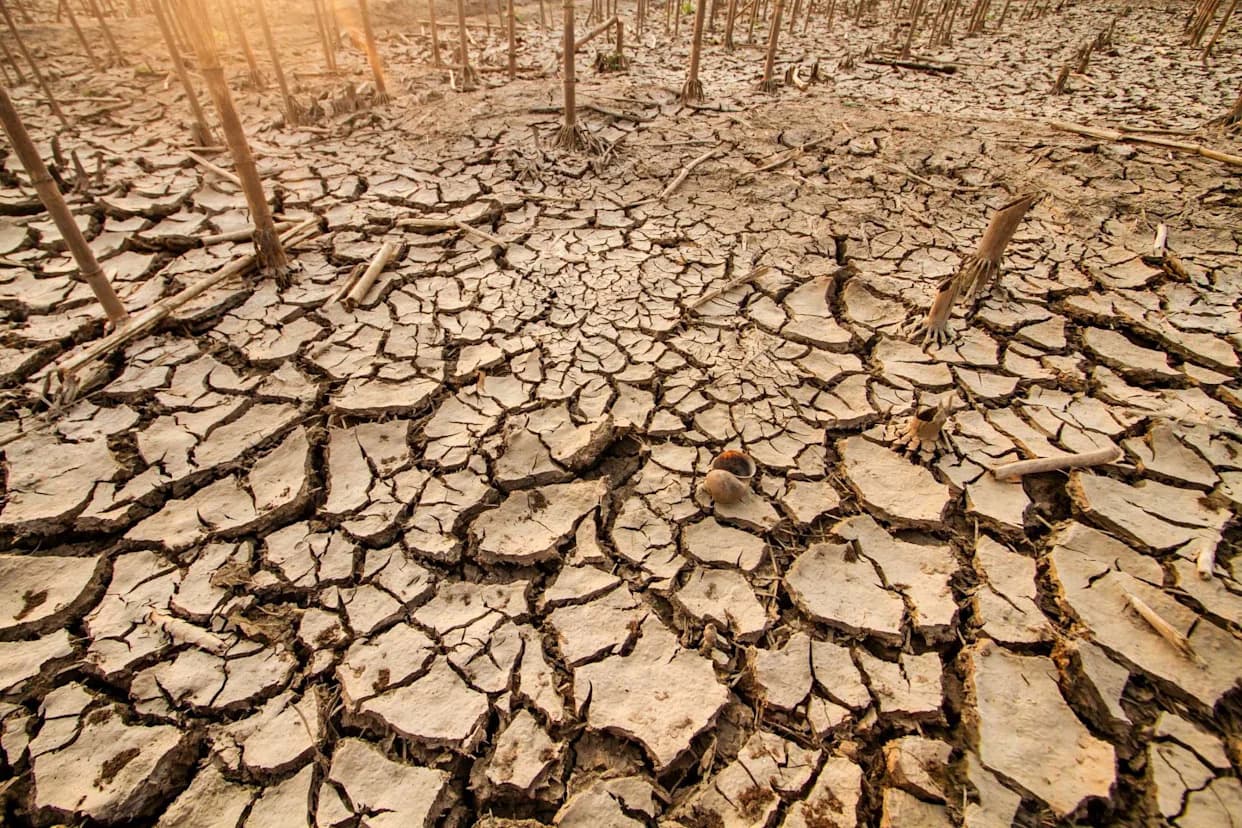
Photo Credit: iStock
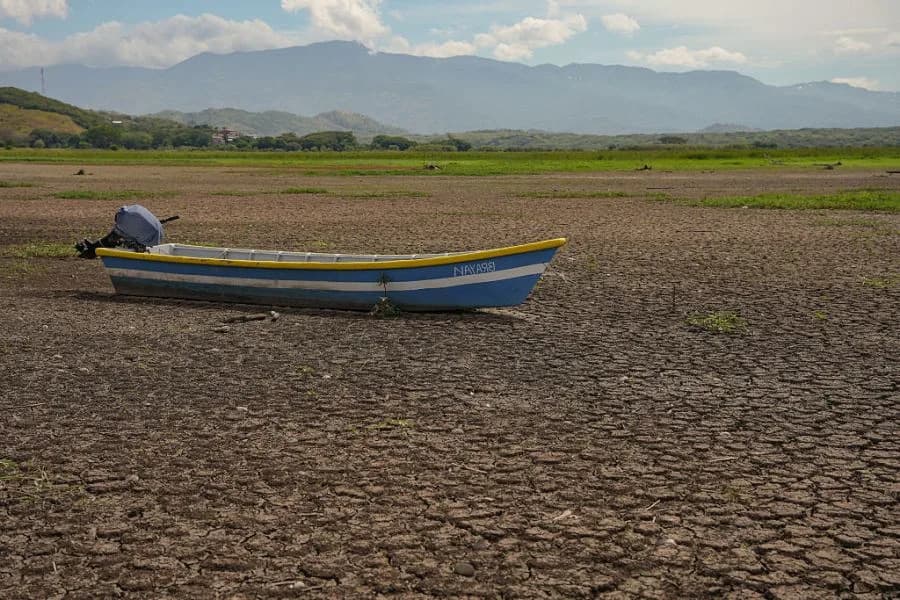
A joint warning issued in April by the United Nations' Food and Agriculture Organization (FAO) and the World Meteorological Organization (WMO) says rising temperatures over land and sea are already disrupting food production worldwide. The report cautions that the world's food supply could be "pushed to the brink" and calls for immediate action to address escalating extreme heat.
Impact on Farmers and Workers
Farmers in the hottest regions — including much of India and South Asia, tropical zones of Africa, and parts of Central and South America — may be unable to work safely outdoors for as many as 250 days a year. That loss of safe working days threatens laborers' health, destabilizes food supply chains and can damage local and national economies.
Livestock Under Stress
Heat is already affecting animals across the food system. Dairy cows produce less milk in high temperatures, and the milk that remains often has lower fat and protein content. Pigs and chickens are particularly vulnerable because they cannot sweat; during extreme heat they face increased risks of digestive collapse, organ failure and cardiovascular shock, according to reporting by The Guardian.
Crop Yields Are Falling
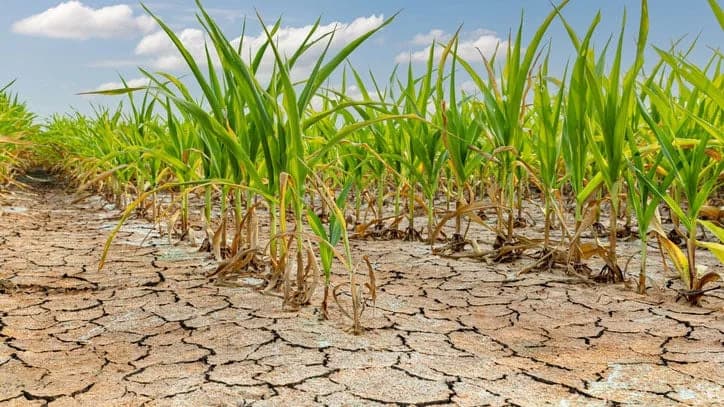
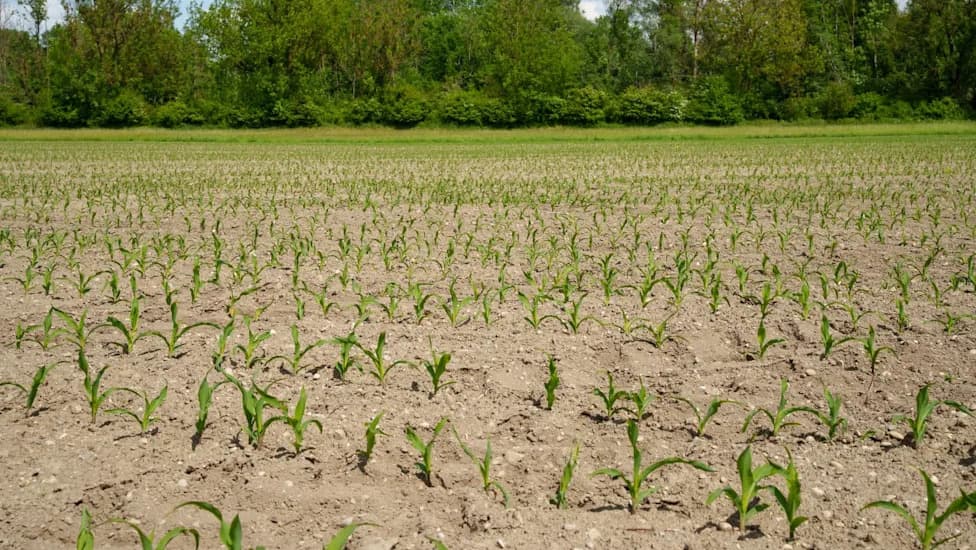
Key staple crops — especially corn, wheat and rice — have seen yield declines in heat-affected regions. Given how many people rely on these staples, falling yields combined with ongoing temperature increases are a serious threat to global food security.
Adaptation and Mitigation
Experts say both adaptation and emissions reductions are essential. Richard Waite, Director of Agriculture Initiatives at the World Resources Institute, warned that without adaptation, "extreme heat will cut crop and livestock yields, forcing more land into agriculture to maintain food production."
"Scaling solutions that help farmers maintain and sustainably increase productivity is crucial," Waite said. He also emphasized that cutting the pollution driving climate change remains the strongest defense against future heat-driven threats to the food system.
This report underscores an urgent need to scale technologies, farming practices and policies that protect farm workers, livestock and crops — while accelerating reductions in greenhouse gas emissions to limit further warming.
Help us improve.