Utqiagvik (Barrow), Alaska, recorded its final sunrise of the season at 2:57 a.m. on May 10, ushering in 84 days of continuous daylight that lasts until Aug. 2, the National Weather Service says. The 'midnight sun' is caused by Earth’s axial tilt during the summer solstice. Despite nonstop light, summer temperatures remain cool—July's average high is about 49°F—and true nighttime does not return until about Sept. 21 due to prolonged twilight.
Utqiagvik Sees Final Sunrise — 84 Days of Continuous Daylight Begin
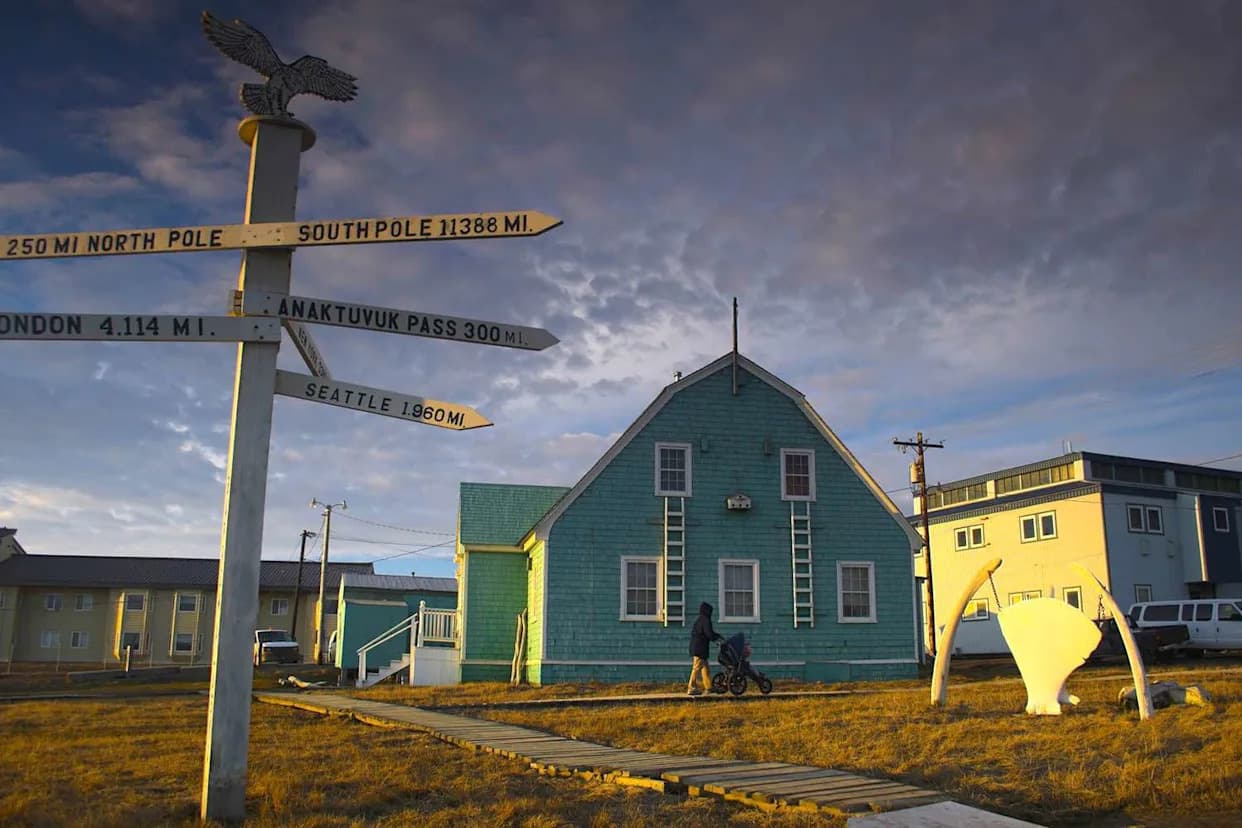
Most northern point in USA - Barrow, AlaskaCredit: Getty
Utqiagvik, Alaska (historically known as Barrow) recorded its final sunrise of the season at 2:57 a.m. local time on May 10, starting an 84-day stretch of continuous daylight that will last until Aug. 2, the National Weather Service says. This phenomenon is commonly called the 'midnight sun' and is a hallmark of life above the Arctic Circle.
What Causes the Midnight Sun?
The midnight sun occurs because of the tilt of Earth's axis. Around the summer solstice the North Pole tilts toward the sun, so at high northern latitudes the sun appears to trace a circle in the sky without dipping below the horizon as the planet rotates. As Fox Weather explains, 'Around June 21, the North Pole is pointed toward the sun, so as the Earth rotates on its axis, the sun appears to move in a circle in the sky without falling below the horizon.'
Summer Conditions in Utqiagvik
Utqiagvik sits on the shore of the Arctic Ocean and experiences dramatic swings in daylight across the year. Continuous daylight does not mean tropical warmth: AccuWeather notes that July—historically the warmest month—has an average high near 49°F (9–10°C). The town is home to fewer than 5,000 residents, who adapt to long days with strategies such as blackout curtains, adjusted sleep schedules, and shifting outdoor tasks like fishing or gardening to later hours.
How Long Until True Night Returns?
Although the sun will next fall below the horizon on Aug. 2, Utqiagvik will not immediately experience full darkness. AccuWeather reports that true nighttime—when the sun is far enough below the horizon for full darkness—won't return until about Sept. 21, as the sun remains close to the horizon and keeps prolonged twilight in the sky.
What This Means for the Rest of Alaska
Communities farther south see long, but not continuous, days. Cities such as Anchorage now receive roughly 16 to 19 hours of daylight each day. Residents across Alaska commonly adjust daily routines to take advantage of extended evening light.
Sources: National Weather Service, Fox Weather, AccuWeather, People.
Help us improve.