Murdoch University researchers tagged 13 whale sharks at Ningaloo Reef with motion-sensing devices and compared fine-scale movement data with and without drones flying overhead at 33–197 feet (10–60 m). They found no measurable changes in swimming effort, tail‑beat frequency or diving behaviour when drones were present. The team cautions that physiological impacts, responses during feeding, or effects from prolonged exposure were not assessed and recommends a precautionary approach to drone use.
Do Drones Disturb Whale Sharks? New Study Finds Little Behavioral Change
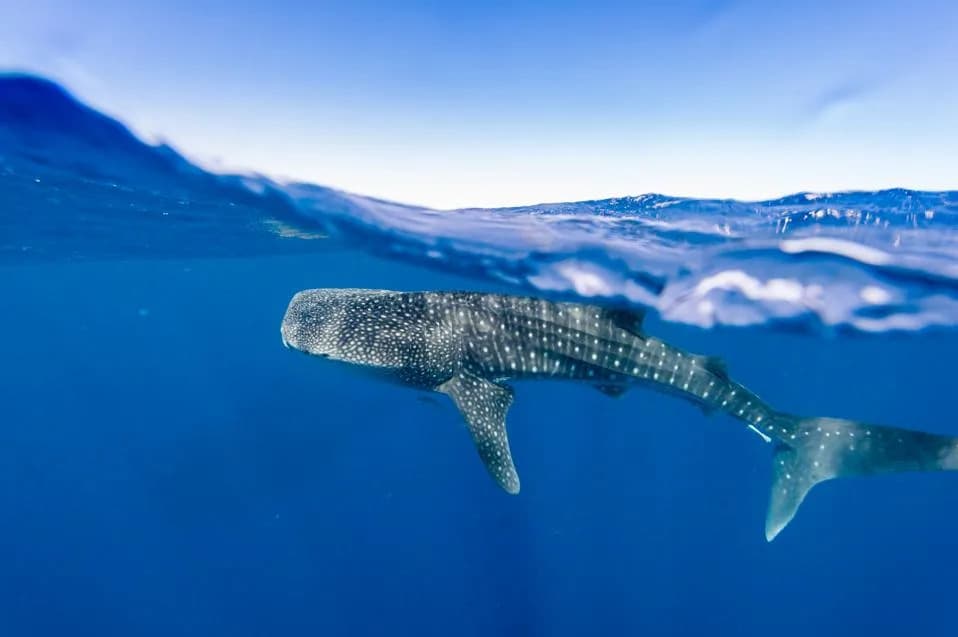
Shale sharks swimming at the surface of the ocean in Western Australia off Ningaloo Reef.Getty Images
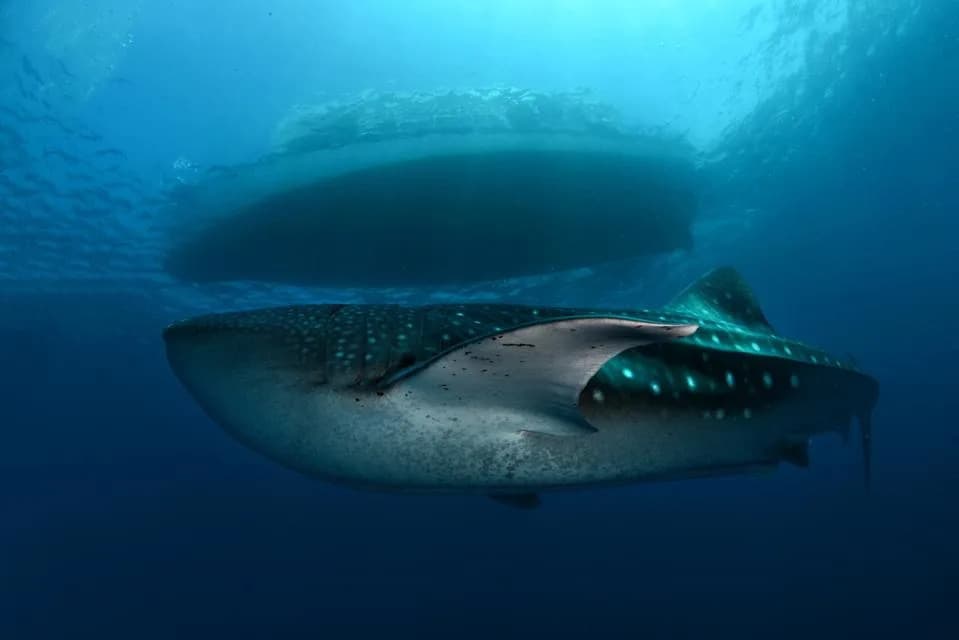
The giant whale shark moves through the ocean with a deliberate, steady pace, its patterned skin drawing divers and researchers to sites such as Ningaloo Reef in Western Australia. In recent years, drones have joined human observers — hovering above the surface to record these animals from a bird’s-eye perspective.
Drones can transform marine research by delivering high-resolution aerial views without the noise and physical intrusion associated with boats and close human approaches. That vantage improves estimates of abundance, reveals movement patterns and can even help assess body condition. But the growing use of unmanned aircraft raises an important question: does remote observation alter the behaviour researchers aim to study?
What the Murdoch University Study Did
To test whether aerial drones disturb whale sharks, a team from Murdoch University led by Dr. Samantha D. Reynolds equipped 13 whale sharks at Ningaloo Reef with motion-sensing tags. These devices recorded fine-scale metrics — including swimming effort, tail-beat frequency and diving behaviour — that could reveal subtle responses not obvious from surface observation.
While the instrumented sharks carried tags, researchers flew drones overhead at altitudes ranging from 33 to 197 feet (10 to 60 meters). The study also collected baseline data when no drone was present, enabling direct comparisons between periods with and without aerial monitoring.
Key Findings
Across the 13 tagged sharks, the team found no measurable changes in the recorded movement metrics when drones were present. Swimming patterns remained consistent and there were no clear signs of agitation or avoidance in the fine-scale motion data — in short, the whale sharks behaved as though aerial vehicles were not altering their activity.
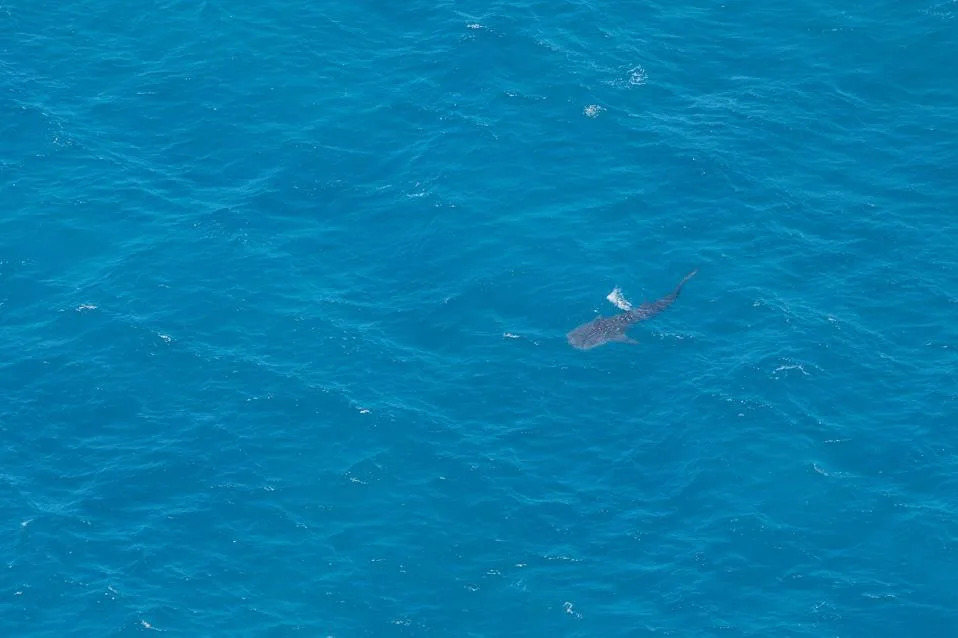
Aerial view of swimming whale shark off Ningaloo Reef.Getty Images
“Although we couldn’t detect any effects on whale sharks, it is possible there might be physiological effects that weren't measured in this particular study, or that drones could impact whale sharks during different behaviours such as feeding,” Dr. Reynolds said in a press release.
Limits And Cautions
The authors stress important caveats. Movement data do not capture all possible impacts: physiological stress (for example, hormonal changes) was not measured and would require different methods. Responses could also vary during feeding events, prolonged exposure, or interactions with other species.
Crucially, the results apply specifically to whale sharks. Other animals that share the same habitat — including seabirds, turtles, dolphins and whales — have shown greater sensitivity to drones in other studies and may respond differently.
Practical Implications
For researchers and conservationists, the study offers cautious reassurance: when flown responsibly and under permit, drones appear to be a low-impact tool for studying whale sharks at Ningaloo Reef. Western Australia already requires drone operators to stay roughly 200 feet (about 60 meters) from whale sharks and prohibits disturbing wildlife. The study’s flights were conducted under special permissions and followed local safeguards.
Still, the researchers recommend a precautionary approach: fly as high as feasible, keep flights brief, and use drones only when they provide clear scientific or conservation benefit.
Takeaway
Drones expand our ability to observe marine life with less direct human intrusion, but every new tool becomes part of the environment it studies. For now, whale sharks at Ningaloo Reef appear tolerant of quietly hovering drones, but continued, species-specific monitoring that integrates behavioural and physiological measures will best protect animals while enabling research.
Help us improve.