Japan has confirmed its first fatal bear attack of 2026 after a record 13 deaths in 2025, as sightings spike when bears emerge from hibernation. A 55-year-old woman was found dead in Iwate on April 21; two other sets of remains found this week have been linked by media to possible bear attacks. Experts cite growing bear populations, rural depopulation and climate-driven food changes as drivers of increased encounters, and local authorities are increasing patrols and urging vigilance.
First Confirmed Fatal Bear Attack Of 2026 In Japan As Sightings Surge After Hibernation
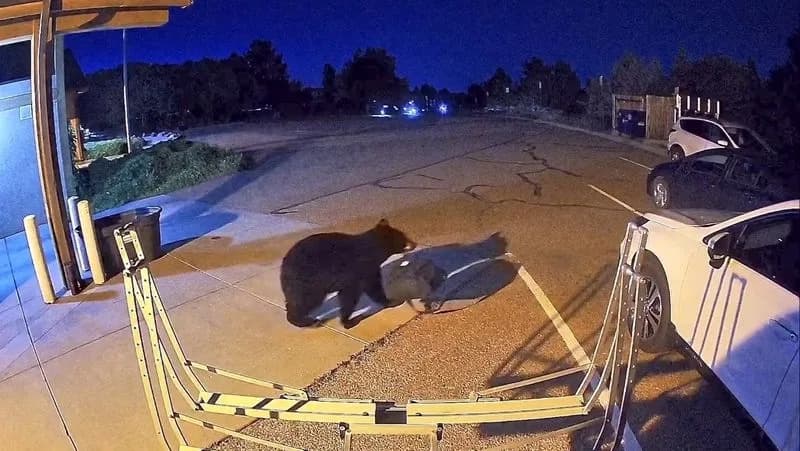
A spate of bear encounters including at hot spring resorts and in supermarkets last year has sparked alarm, with the government deploying troops to help trap and hunt the animals (Caroline GARDIN)(Caroline GARDIN/AFPTV/AFP)
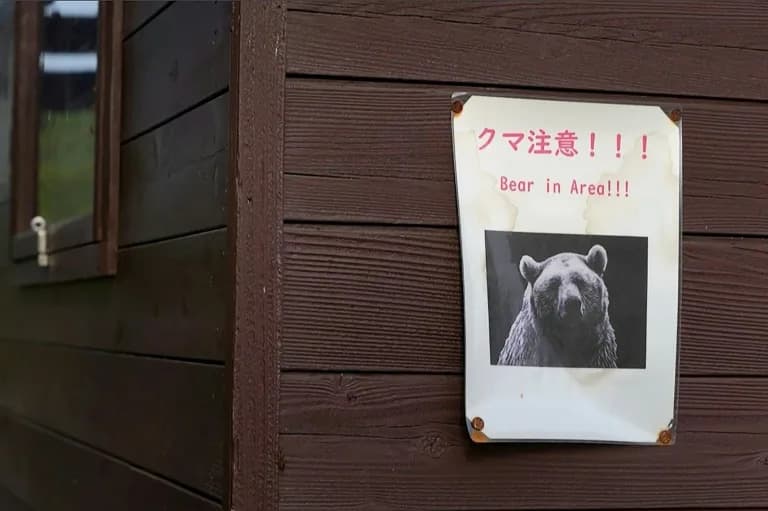
Japan on Friday confirmed its first fatal bear attack of 2026, following a record 13 deaths from bears in 2025. Authorities and experts say sightings have risen sharply as bears emerge from winter hibernation and search for food.
Incident Details
The environment ministry said the first confirmed fatality this year was a 55-year-old woman whose body was found on April 21 in Iwate prefecture in northern Japan. Police also reported two other sets of human remains discovered this week that some media outlets have linked to possible bear attacks. One additional body was found elsewhere in Iwate on Thursday and another in a forest in Yamagata prefecture on Tuesday; police have not publicly confirmed the causes of those deaths.
Broadcaster NHK identified one of the newly found victims as Chiyoko Kumagai, 69, who went missing after visiting a mountain woodland to collect edible wild plants. Rescuers began a search after finding her car and located her body shortly after 8:00 a.m. local time. NHK reported she had multiple injuries to her face and head consistent with wounds from an animal's claws.
Rising Sightings And Underlying Causes
Last year’s toll of 13 fatal attacks was more than double the previous record of six, and more than 200 people were injured in bear-related incidents. Reports described bears entering homes, wandering near schools, and causing chaos in supermarkets and hot spring resorts, prompting the government to deploy troops to assist hunting and trapping operations.
Scientists and officials point to several factors behind the surge in encounters: rapidly growing bear populations, rural depopulation that leaves farmland and unused land unchecked, and climate-driven changes that have bolstered food supplies such as acorns, deer and wild boar. A 2025 government report estimates the brown bear population has roughly doubled over three decades to about 12,000, while Asian black bear numbers on Honshu have grown to roughly 42,000.
Experts say this density has led to overcrowding in mountain habitats and pushed some bears closer to human settlements. Cubs, in particular, can lose fear of people and develop a taste for crops and common fruits like persimmon. Poor harvests in 2025 drove many bears to seek food in towns and villages; although food forecasts this year are somewhat improved, sightings have nonetheless surged as animals emerge from hibernation.
Regional Impact And Response
Local media reported that sightings in April in Miyagi, Akita and Fukushima prefectures were about four times higher than the same month last year, according to the Yomiuri daily. Koji Yamazaki, director of the Ibaraki Nature Museum, warned residents in the northern Tohoku region to remain vigilant this spring. "I'm not sure yet why we're seeing this kind of unprecedented damage so early in the spring," Yamazaki told AFP, while adding that the year overall may still be calmer than 2025.
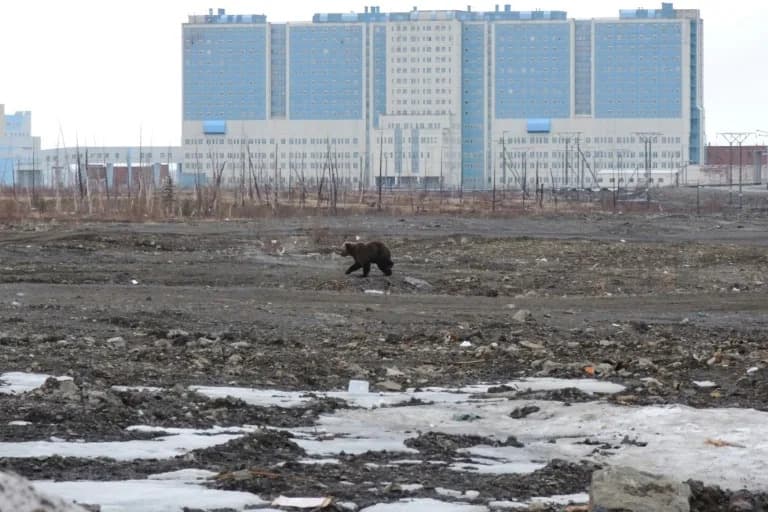
Yamazaki said the proximity of several incidents to settlements and the severity of damage to some bodies suggest bear predation in certain cases. He also cited abandoned farmland and depopulation as contributing factors that push bears into inhabited areas. Brown bears — which can weigh up to around half a tonne and can outrun a human — are found only on Hokkaido, while smaller Asian black bears, responsible for most attacks, are widespread across Honshu and other regions.
Local officials have increased patrols and enlisted hunters in affected areas to reduce risks. Authorities continue investigations into the recent deaths and urge residents, especially in rural and forested areas, to take precautions when outdoors.
Help us improve.