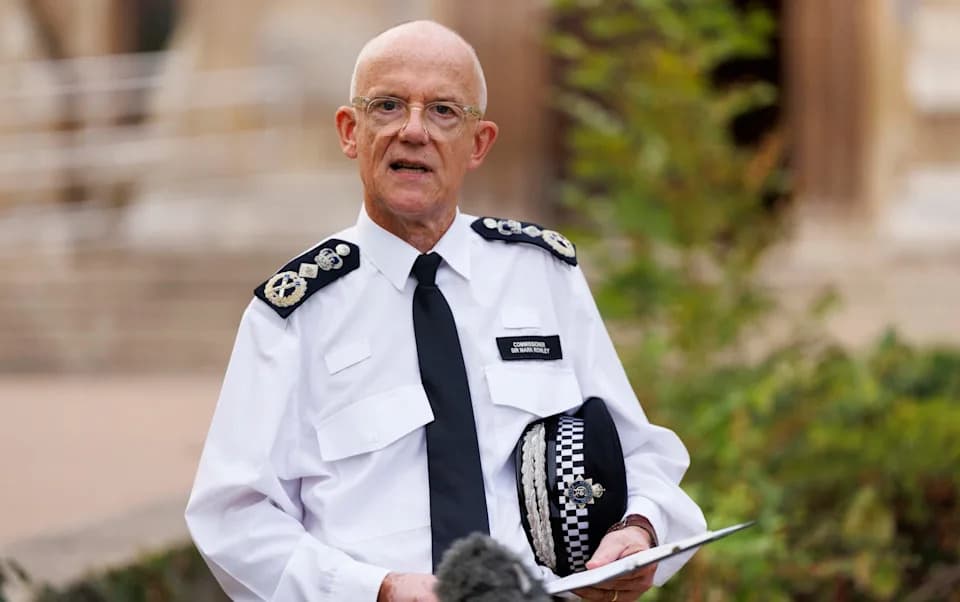
Portland police recovered at least six girls aged 13 to 17 during an enforcement sweep of prostitution-related activity along Southeast Portland’s 82nd Avenue corridor. The operation, led by the Police Bureau’s Human Trafficking Unit and the East Precinct, began on April 15 and produced an unusually high number of child victims. The survivors were connected with PPB Victim Services, Safety Compass and the Oregon DHS for reunification or placement, while investigators build cases against alleged traffickers and buyers using a victim-centered, trauma-informed approach.
Portland Police Recover Six Underage Girls in Major Sweep of 82nd Avenue Trafficking Corridor
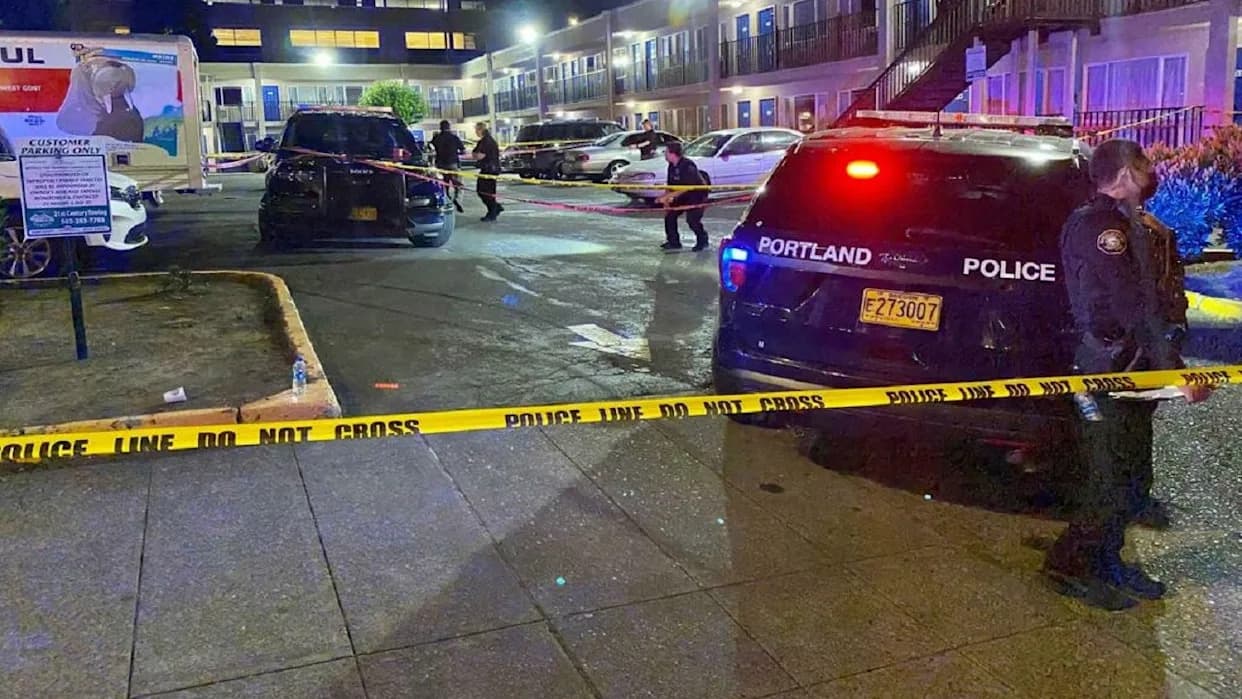
Six underage girls recovered in sweeping operation targeting notorious trafficking corridor
Portland police announced that at least six underage girls were recovered last month during a targeted enforcement operation focused on prostitution-related activity along Southeast Portland’s 82nd Avenue corridor.
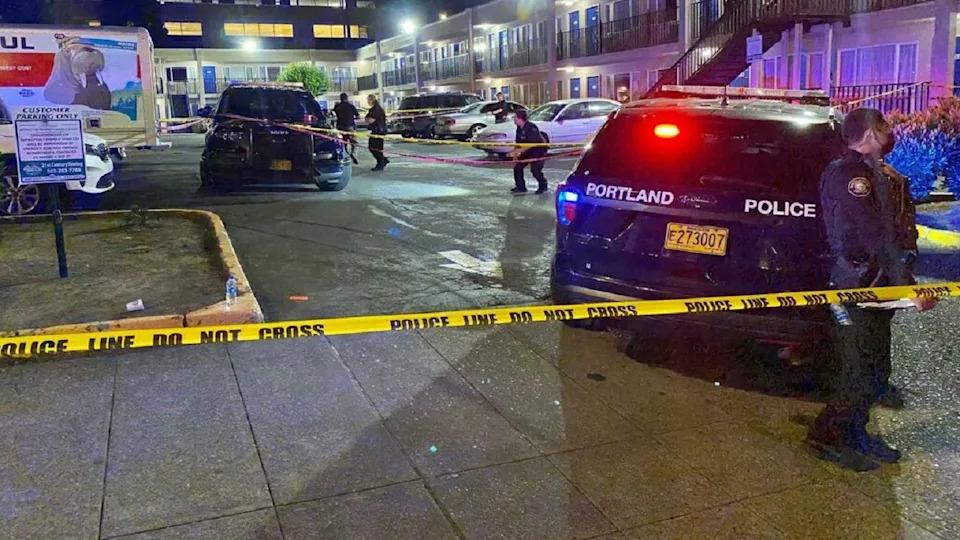
Portland Police attend a crime scene on June 25, 2021.(Fox News)
Officers from the Portland Police Bureau’s Human Trafficking Unit (HTU) and the East Precinct said the victims, aged 13 to 17, were located after enforcement initiatives that began on April 15. Officials described the number of child victims recovered in this short period as "a stunning number" and significantly higher than typical results from similar operations.
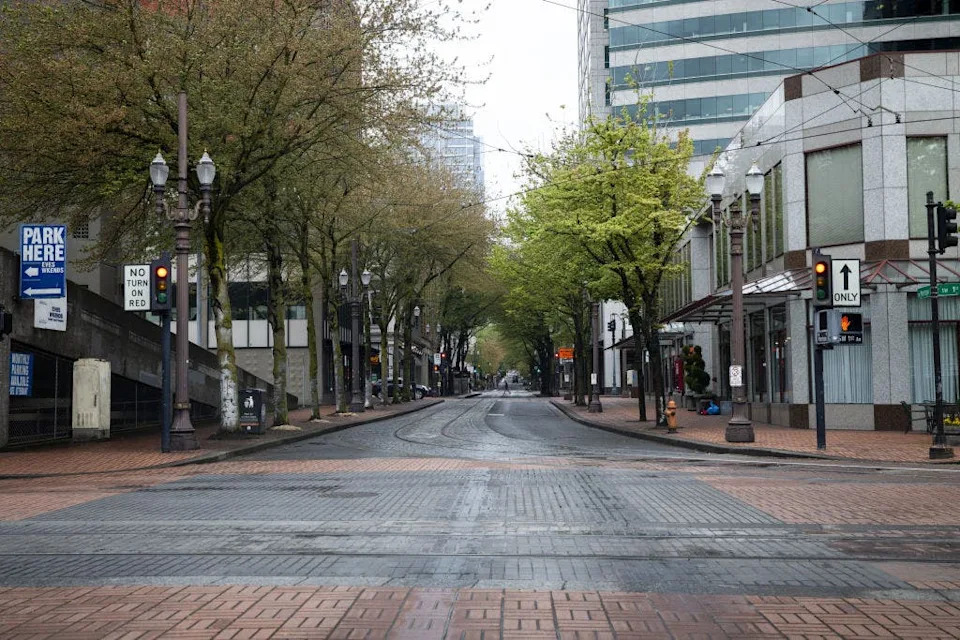
Empty streets are seen in downtown Portland, Oregon, on April 22, 2020.
"While it is not unusual for HTU members to rescue providers from their traffickers, it is unusual to see so many children in this short a period," officials said, noting it remains unclear whether the cluster reflects a new trend or an anomaly.
Support and Coordination
The recovered girls were connected with advocacy and support services through Portland Police Bureau Victim Services and Safety Compass, an organization that assists people under 25 who identify as survivors of commercial sexual exploitation and human trafficking. The Oregon Department of Human Services (DHS) is helping facilitate reunification with out-of-state parents when appropriate or arranging placement into care when reunification is not possible.
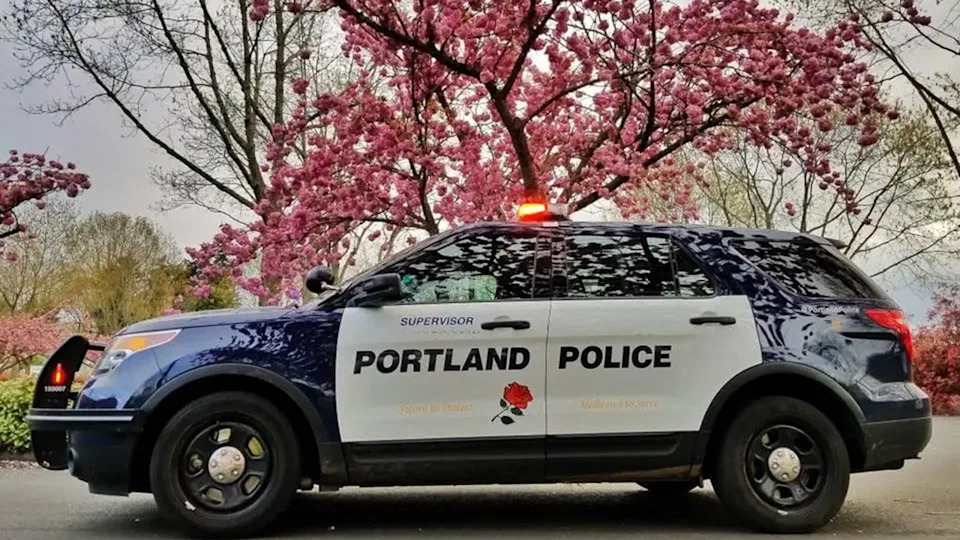
A Portland Police vehicle is parked near a recreational area.
Investigations and Victim-Centered Care
Police emphasized that human trafficking cases often involve victims reluctant to report crimes or participate in criminal cases due to trauma bonds, repeated exposure to abuse and fear of retaliation. To address these barriers, the HTU said it uses a victim-centered, trauma-informed approach to prioritize survivors’ safety and recovery while investigators build criminal cases.
Investigators are continuing to develop cases against alleged traffickers and people who purchased sex. No names have been released as prosecutions proceed. Law enforcement also stressed proactive investigations and close coordination with partners such as the Multnomah County District Attorney's Office (MCDA) to hold offenders accountable.
Authorities referenced recent nationwide operations that also recovered missing or exploited children, underscoring a broader push by law enforcement and advocacy groups to identify victims and disrupt trafficking networks. Community members are encouraged to report suspicious activity to local authorities and to support services for survivors.
Help us improve.