Project Freedom is a US Navy-led operation launched to reopen the Strait of Hormuz for commercial shipping after Iran threatened the waterway with mines, drones, missiles and fast-attack craft. US officials say the initiative has "just begun," that shipowners and insurers have reacted positively, and that clashes have cost 10 civilian sailors' lives while seven Iranian fast boats were destroyed. Analysts warn the move raises the risk of dangerous miscalculation, and Iran's IRGC has expanded its claimed control and threatened a "decisive response."
US Launches 'Project Freedom' to Reopen Blockaded Strait of Hormuz — Operation 'Just Begun'
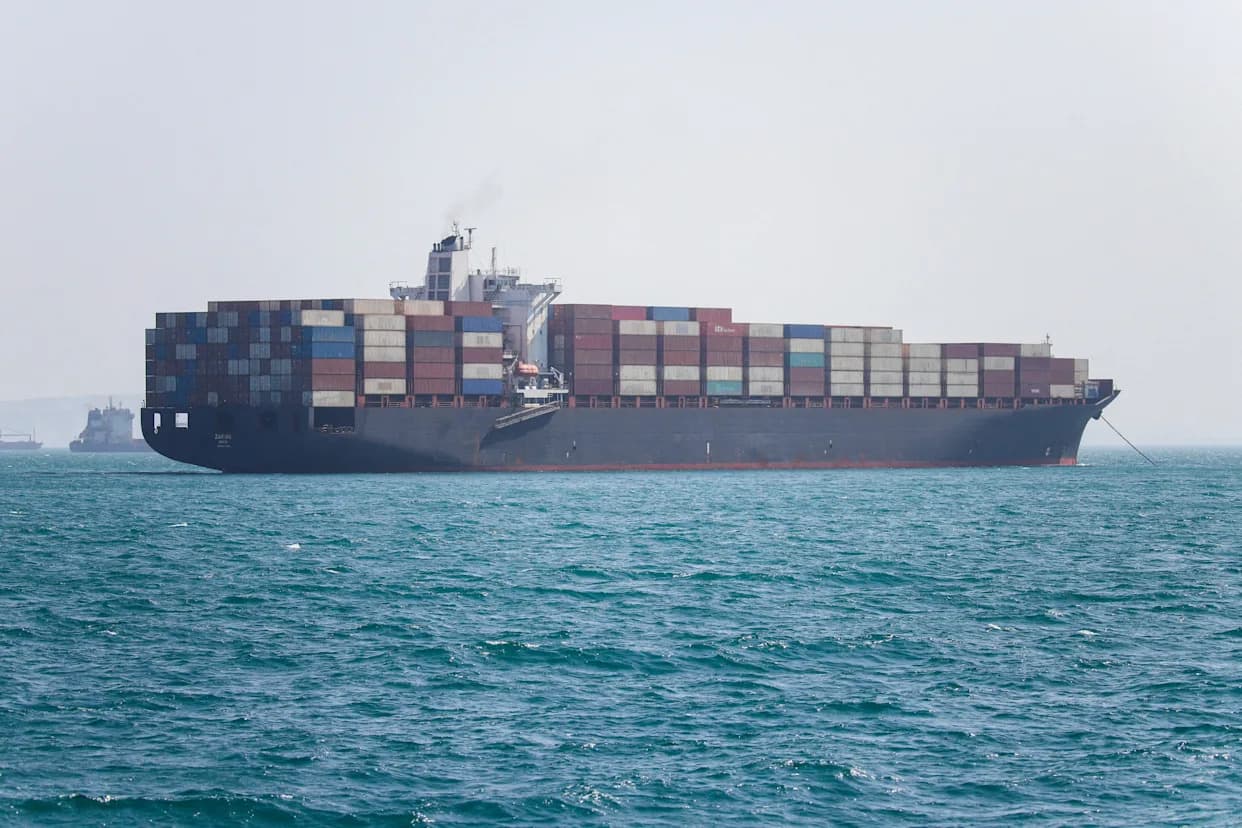
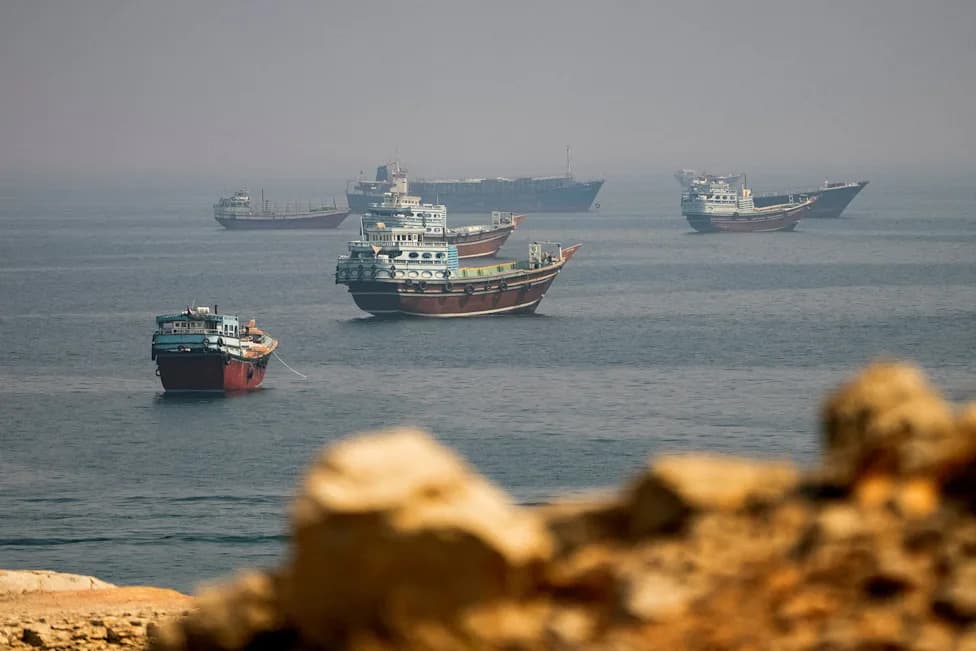
Vessels in the Strait of Hormuz near Bandar Abbas, Iran on May 4 [Amirhosein Khorgooi/ISNA/WANA via Reuters]
The US Navy has launched an operation called Project Freedom to secure safe commercial transit through the Strait of Hormuz, a Central Command (CENTCOM) spokesperson told Al Jazeera on Tuesday. The move comes after Tehran threatened to deploy mines, drones, missiles and fast-attack craft that have effectively constrained shipping through the vital waterway.
What Officials Say
A CENTCOM spokesperson said shipowners and insurers have reacted positively to the initiative, which has "just begun" and is intended to restore reliable passage for commercial vessels — a step meant to protect global and regional trade. US officials also reported that 10 civilian sailors have been killed in recent clashes in the area and that the US Navy has destroyed seven Iranian fast boats operating in the waterway.
"Project Freedom is defensive in nature, focused in scope, temporary in duration [and] with one mission: protecting innocent commercial shipping from Iranian aggression," a Pentagon briefing said.
Actions And Responses
Washington says it has responded by imposing restrictions on Iranian port access and organizing escorted transits for merchant ships. Officials emphasized that the operation does not require US ships to enter Iranian territorial waters or airspace.
Shipping company Maersk said the Alliance Fairfax, a US-flagged vessel, left the Gulf under US military escort. Iran denied that such crossings had taken place. Several merchant ships in the Gulf reported explosions or fires on Monday, and the United Arab Emirates (UAE) reported being targeted, though Iran's army denied conducting attacks on the UAE in recent days. Iran did acknowledge firing warning shots at a US warship approaching the strait, forcing it to turn back.
Escalation Risks
Alexandru Hudisteanu, a military and diplomatic analyst speaking to Al Jazeera, warned that the US effort to force open the Strait of Hormuz significantly raises the risk of miscalculation by both sides. He said that by pushing ships through the strait, the US may have placed Iran in a tighter escalation dynamic.
After issuing a new navigational map that expanded the area it says it controls, Iran's Islamic Revolutionary Guard Corps (IRGC) warned vessels to keep to designated corridors or face a "decisive response." US officials say there are more than 1,500 vessels with roughly 22,500 crew currently inside the Gulf and have framed Project Freedom as intended to clear and protect commercial shipping lanes.
Context And Stakes
The Strait of Hormuz is a strategic chokepoint through which a significant share of the world's oil and liquefied natural gas shipments pass. Disruptions in the waterway have already contributed to price volatility in global commodity markets. Analysts caution that any misstep could widen the confrontation and trigger broader regional instability.
The US government says it will continue operations to reopen the strait and ensure freedom of navigation for merchant vessels, while Tehran maintains it will defend what it considers its sovereign maritime claims.
Help us improve.