U.S. officials are working to preserve a fragile ceasefire with Iran while reopening the Strait of Hormuz. Escort missions described as defensive follow strikes that U.S. forces say destroyed Iranian boats, missiles and drones. The UAE reported new missile and drone attacks it blamed on Iran, which denied responsibility. Diplomatic efforts, including Pakistani mediation, continue amid significant humanitarian and economic fallout.
U.S. Moves To Preserve Fragile Ceasefire With Iran While Reopening Strait Of Hormuz
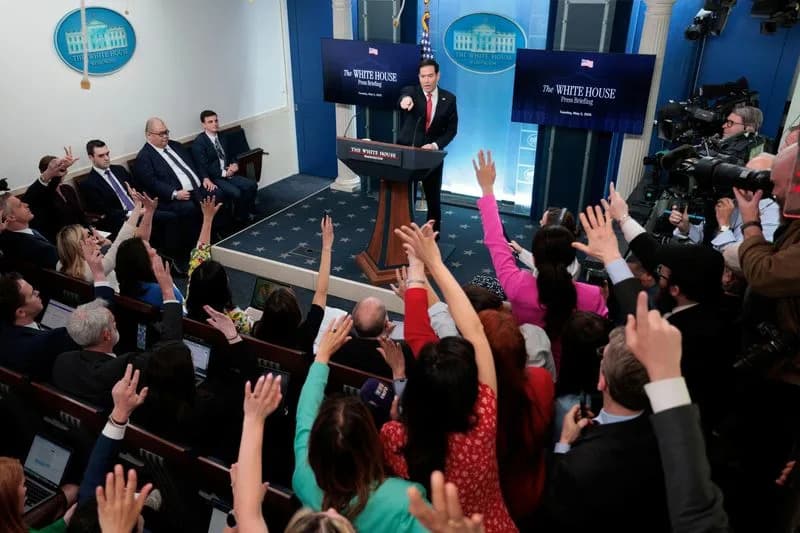
U.S. Secretary of State Marco Rubio speaks during a press briefing in the James S. Brady Press Briefing Room at the White House in Washington, D.C., U.S., May 5, 2026. REUTERS/Evan Vucci
WASHINGTON/CAIRO, May 5 (Reuters) — U.S. officials sought on Tuesday to preserve a fragile ceasefire with Iran while pressing ahead with operations to reopen the strategically vital Strait of Hormuz, even as the United Arab Emirates reported a new wave of missile and drone strikes it blamed on Tehran.
U.S. Statements And Military Action
Senator Marco Rubio, speaking at the White House, described U.S. escort missions for tankers stranded in the strait as defensive in nature, reiterating that the main operation — dubbed "Operation Epic Fury" — had concluded.
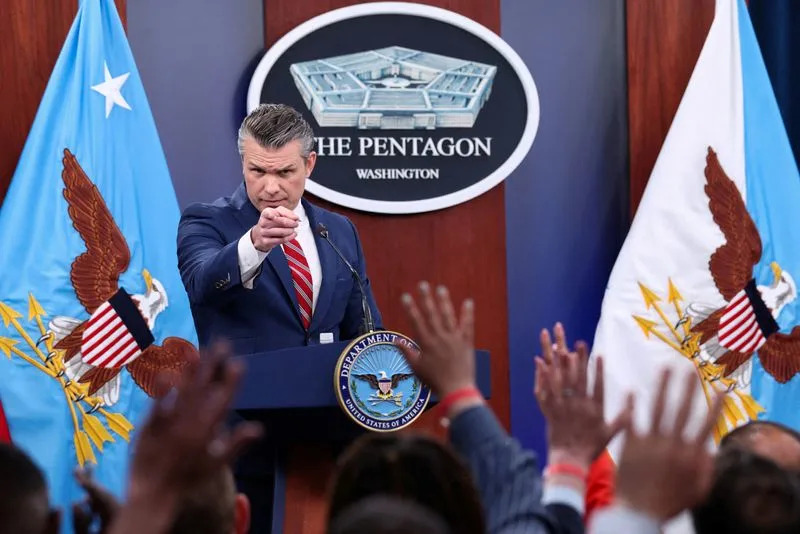
U.S. Secretary of Defense Pete Hegseth holds a briefing on the Iran war, with Chairman of the Joint Chiefs of Staff General Dan Caine (not pictured), at the Pentagon in Washington, D.C., U.S., May 5, 2026. REUTERS/Kevin Lamarque
"There's no shooting unless we're shot at first," Rubio told reporters, saying U.S. objectives in the military campaign had been achieved.
U.S. military officials said they had destroyed several Iranian small boats, along with cruise missiles and drones, and were executing escorted transits to secure commercial shipping lanes.
Strait Of Hormuz: Chokepoint And Flashpoint
The Strait of Hormuz, which handles roughly one-fifth of the world’s oil and gas flows, has been effectively shut since the conflict began on Feb. 28. Iran has warned of deploying mines, missiles, drones and fast-attack craft to control the waterway, while U.S. forces have countered by blockading some ports and escorting commercial vessels through designated corridors.
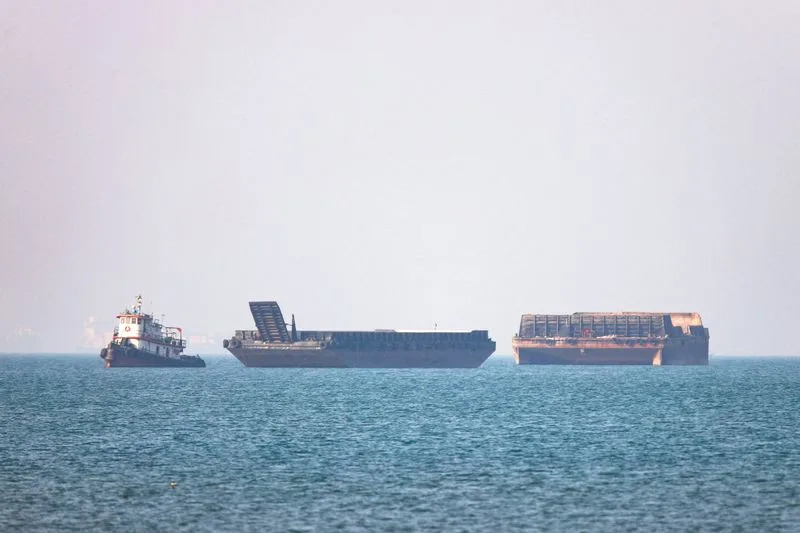
Vessels in the Strait of Hormuz near Bandar Abbas, Iran, May 4, 2026. Amirhosein Khorgooi/ISNA/WANA (West Asia News Agency) via REUTERS
British Maritime Trade Operations reported a cargo ship was struck by a projectile in the strait while U.S. officials said two U.S. merchant vessels had made transits and shipping company Maersk confirmed that the U.S.-flagged Alliance Fairfax sailed out of the Gulf under U.S. escort. Iran denied that any successful crossings had occurred.
Regional Tensions And Casualties
The UAE’s defence ministry said its air defences were intercepting missile and drone attacks it blamed on Iran; Tehran’s military command denied responsibility and said its actions were aimed at repelling U.S. aggression. Abu Dhabi’s foreign ministry described the incidents as a serious escalation and reserved its "full and legitimate right" to respond.
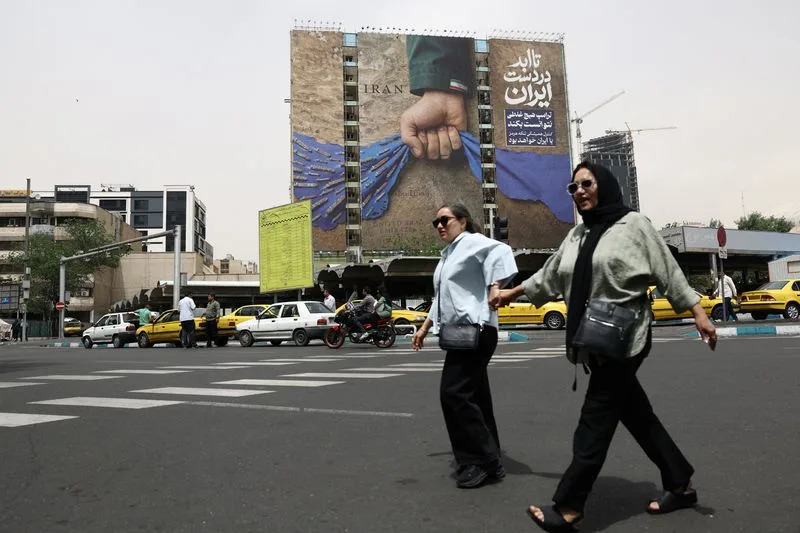
People walk past a billboard with a graphic design about the Strait of Hormuz on a building, in Tehran, Iran, May 4, 2026. Majid Asgaripour/WANA (West Asia News Agency) via REUTERS
Officials warn the conflict has already cost thousands of lives as it spread beyond Iran to Lebanon and the Gulf, and has roiled global markets. U.S. officials noted that 10 civilian sailors have died and described crews stranded in the waterway as isolated and short of supplies.
Diplomacy And Next Steps
Diplomatic efforts have produced limited progress. U.S. and Iranian representatives held one round of face-to-face talks, but follow-up meetings have struggled to materialize. Iran’s Foreign Minister Abbas Araqchi said talks were continuing with Pakistan’s mediation and that he was due to travel to Beijing for further discussions.
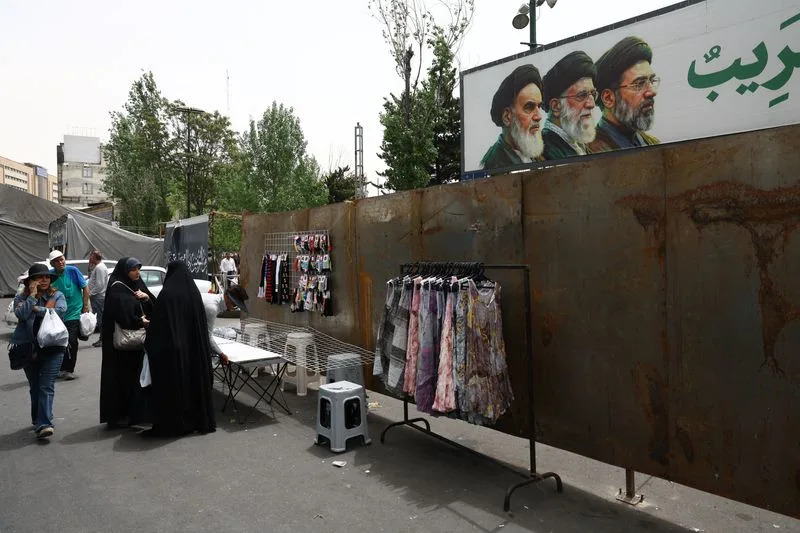
People walk past a banner depicting the late leader of the Islamic Revolution Ayatollah Ruhollah Khomeini, late Supreme Leader of Iran Ayatollah Ali Khamenei and Iran's new Supreme Leader Mojtaba Khamenei, in Tajrish Square in Tehran, Iran, May 4, 2026. Majid Asgaripour/WANA (West Asia News Agency) via REUTERS
Washington says its strikes aim to remove what it describes as imminent threats from Iran, citing concerns about nuclear and ballistic missile programs and support for proxy groups in the region. The International Monetary Fund warned that even if fighting stopped immediately, it could take several months to manage the economic fallout.
(Reporting by Reuters bureaus; Writing by Stephen Coates, Alex Richardson, Aidan Lewis, Michael Martina and Costas Pitas; Editing by Andy Sullivan, Ros Russell, Gareth Jones and Nia Williams)
Help us improve.