Racing and cruising yachts are being outfitted with environmental DNA (eDNA) kits to gather biological samples across remote ocean regions. Citizens of the Sea coordinates sailors — including racers like Fabrice Amedeo — to sample along routes that conventional research vessels rarely cover. The 2024 Vendée Globe campaign generated millions of DNA reads and detected roughly 4,000 taxa, many genetically unclassified, highlighting large knowledge gaps, especially in the Southern Ocean. Partnerships with sequencing and funding organizations are helping scale hardware, analysis and public data access.
Racing Yachts Turned Into Floating Labs: How eDNA Is Mapping Life Across Remote Oceans
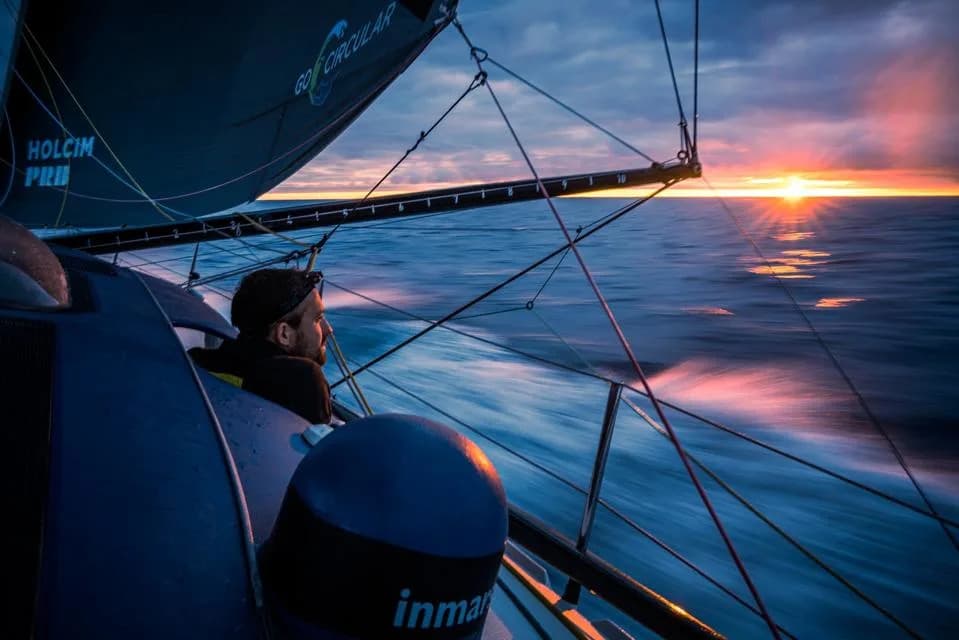
Sailing crew aboard the Holcim taking in a sunrise.Georgia Schofield | polaRYSE / Holcim - PRB (Source: 14_02_230211_GES_HOLCIM_A747554)
The ocean is Earth’s largest — and least-understood — biosphere. It links continents and polar regions, circulates nutrients globally, feeds millions of people, and absorbs much of the planet’s excess heat and carbon. Yet biodiversity in many ocean regions is under threat, often before it is fully documented.
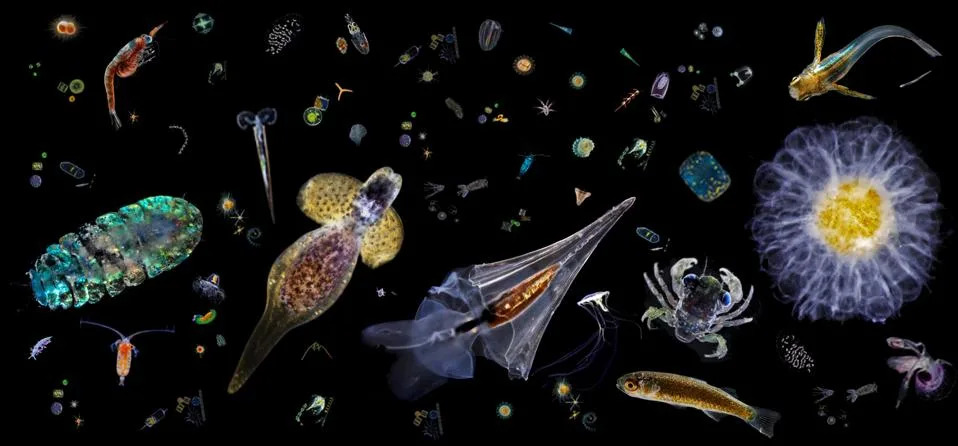
Fragments of DNA in seawater track the presence of marine animals and plants.Christian Sardet & les Macronauts / Chronique du plancton.
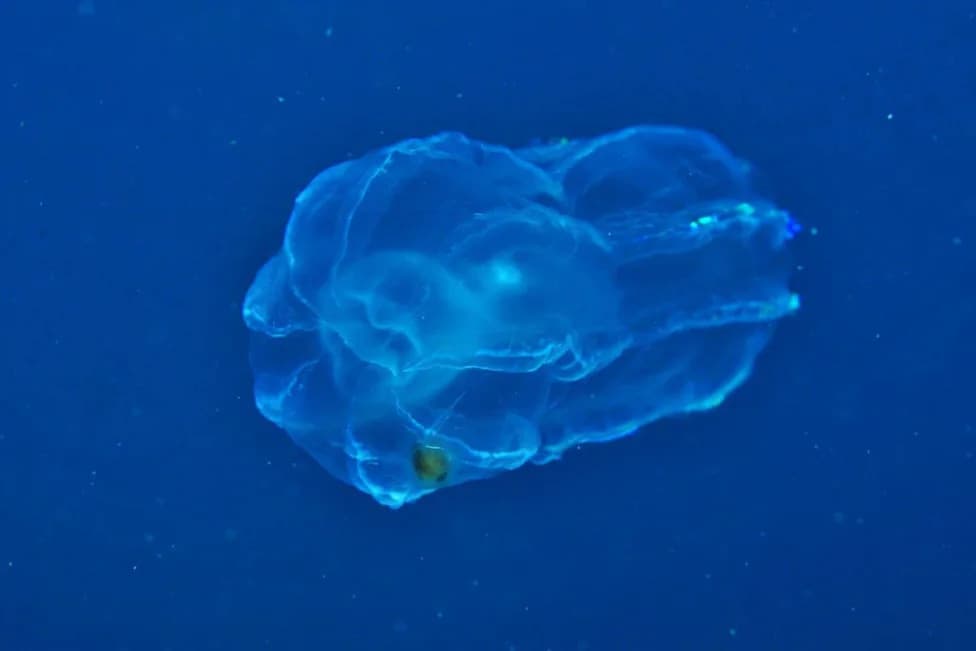
Environmental DNA (eDNA) is emerging as a powerful tool to close that knowledge gap. Instead of relying solely on sightings or specimen capture, researchers can now read fragments of genetic material suspended in seawater like biological barcodes to reveal what species have recently passed through an area. These traces range from microbes and phytoplankton to large migrating whales.
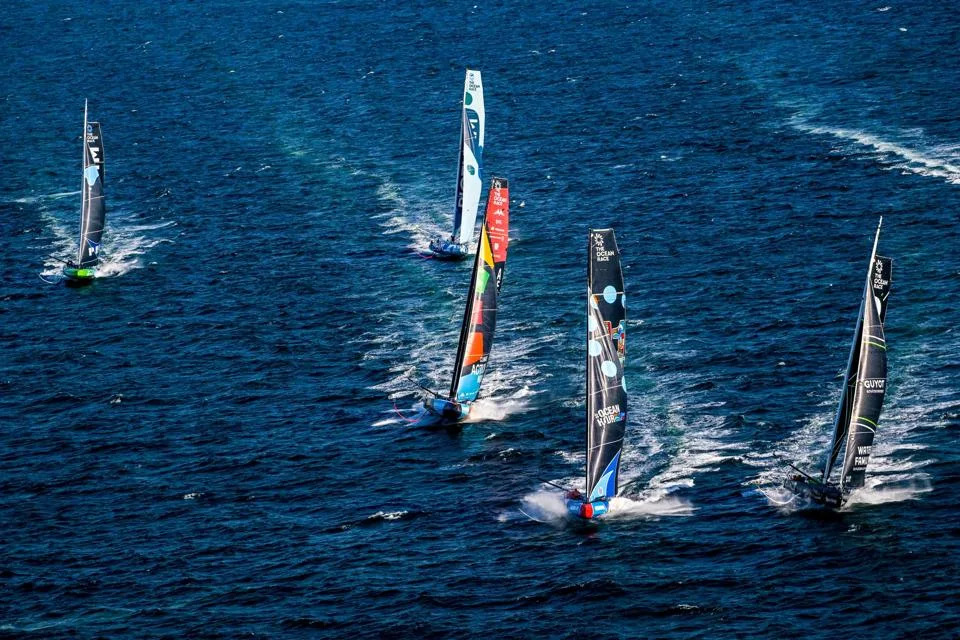
Yachts taking part in endurance races reach some of the most remote areas of the ocean.Sailing Energy / The Ocean Race (Source: 14_06_230613_TOR_JOF_11472)
How eDNA Works
When organisms shed cells, scales, mucus or waste, they leave behind DNA fragments that persist in seawater for hours to days. eDNA collection involves filtering seawater, extracting genetic material, and sequencing it to match known reference databases. The approach delivers wide taxonomic coverage and lets scientists detect species that might be missed by visual surveys.
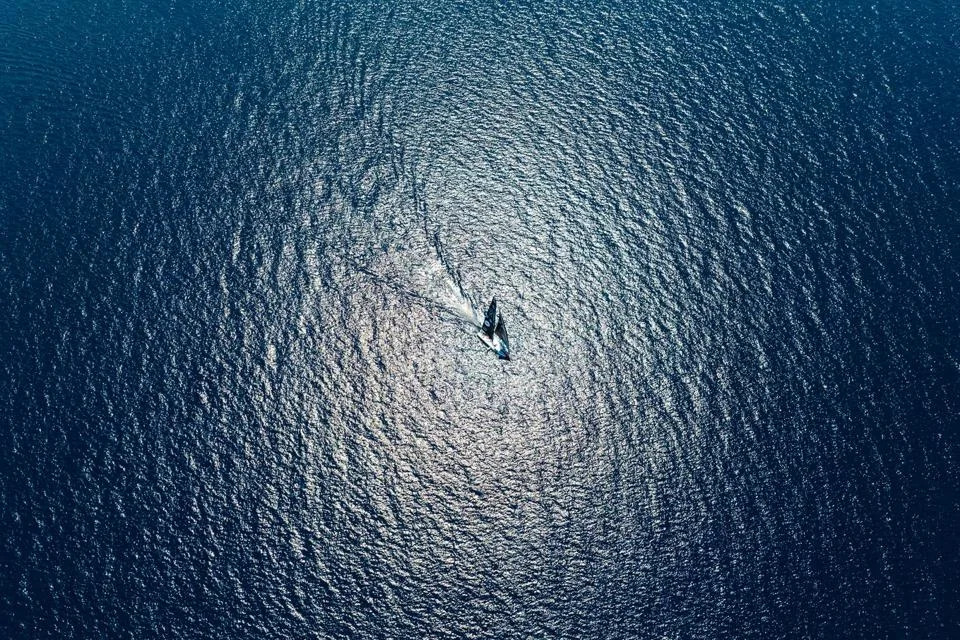
Racing yachts act as ships of opportunity, collecting data enroute.Amory Ross / 11th Hour Racing / The Ocean Race (Source: 14_07_230627_AMR_11HRT_0179)
Yachts As Floating Labs
Citizens of the Sea, a New Zealand charity co‑founded in 2024 by the Cawthron Institute and New Zealand Geographic, is coordinating a growing fleet of recreational and racing yachts equipped with user-friendly eDNA kits. Racing skippers and cruising crews sample water along their routes, expanding observational coverage into remote and under‑sampled regions such as the Southern Ocean.
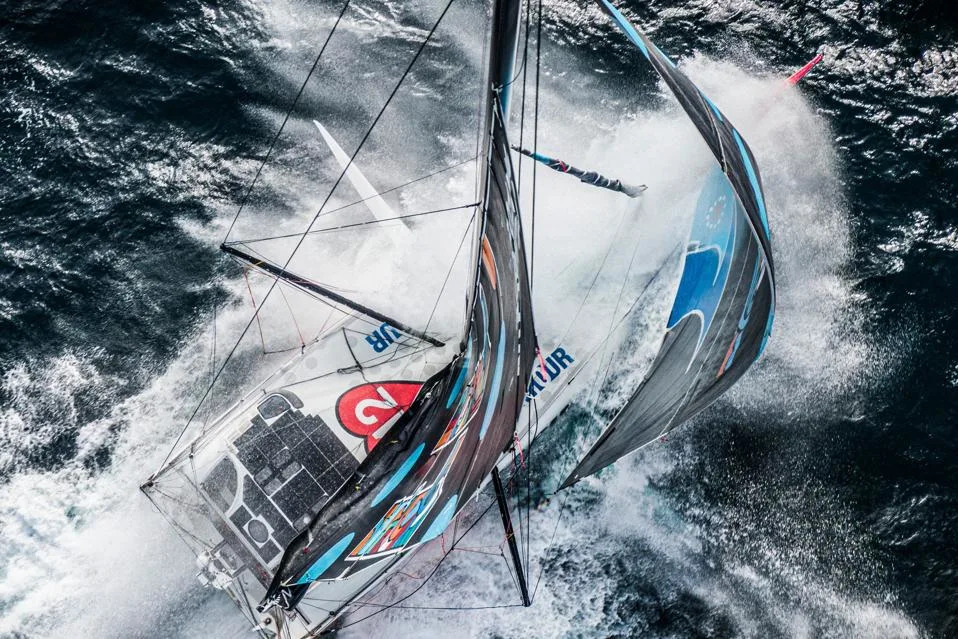
The Ocean Race teams are all required to participate in a science programme.Amory Ross / 11th Hour Racing / The Ocean Race (Source: 14_03_230329_AMR_11HRT_0723)
“There’s an urgency to understand biodiversity in the ocean and how climate change is affecting it,” says Xavier Pochon, science lead at Citizens of the Sea. “Models are useful, but they need near‑real‑time biological data from places research vessels rarely reach.”
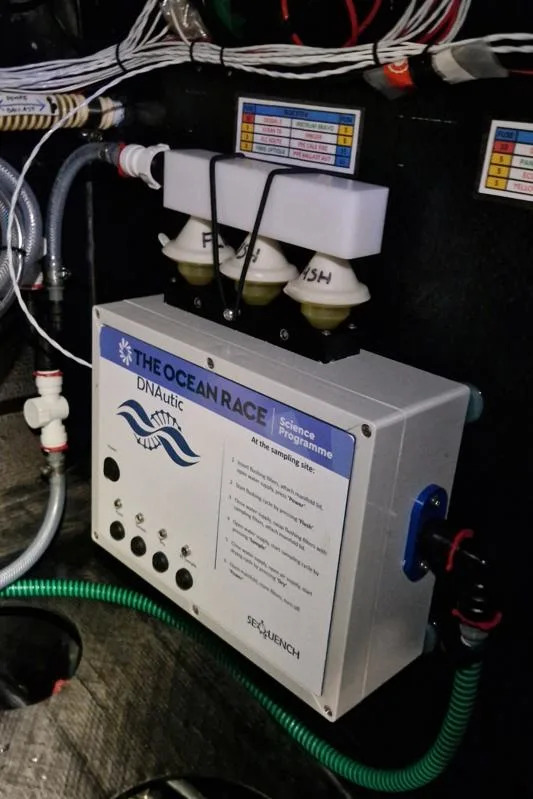
Innovation continues on the technology and design of eDNA kits.Supplied by Xavier Pochon
Notable Missions And Findings
Fabrice Amedeo, a former journalist and experienced ocean racer, began integrating data collection into his campaigns in 2021. Despite losing a boat to an explosion during the 2022 Route du Rhum, he continued sampling and completed the 2024 Vendée Globe while collecting eDNA across all latitudes and ocean basins. Across 114 days of sampling, his team produced millions of DNA reads, detecting roughly 4,000 taxa — many without a species or even genus match in current genetic libraries.
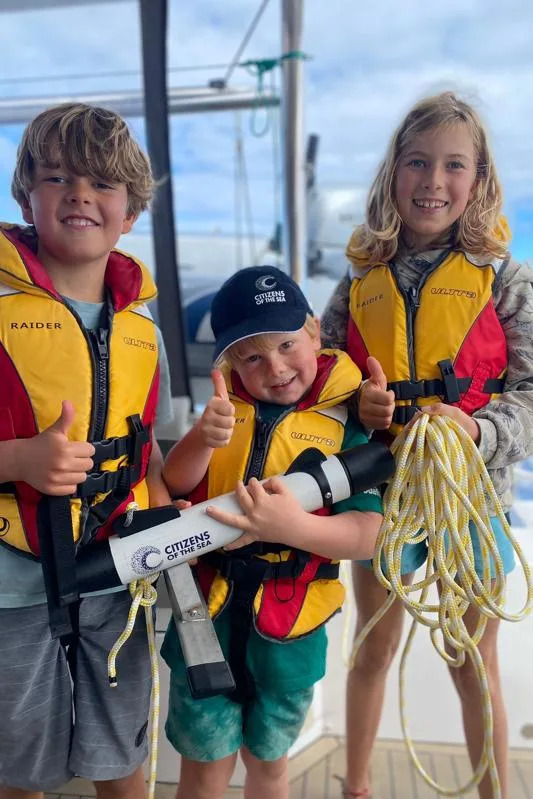
Felix, Roofus, and Lily from the SV Jadamama crew, sampling eDNA for Citizens of the Sea.Liz Powell
Discoveries included traces of flying fish, deep‑sea lancetfish noted for bioluminescence, and the DNA signature of a migratory moray eel — findings that reveal both expected and surprising aspects of ocean life. The Southern Ocean in particular yielded a large share of genetically unknown signatures, underscoring how under‑sampled that region remains.
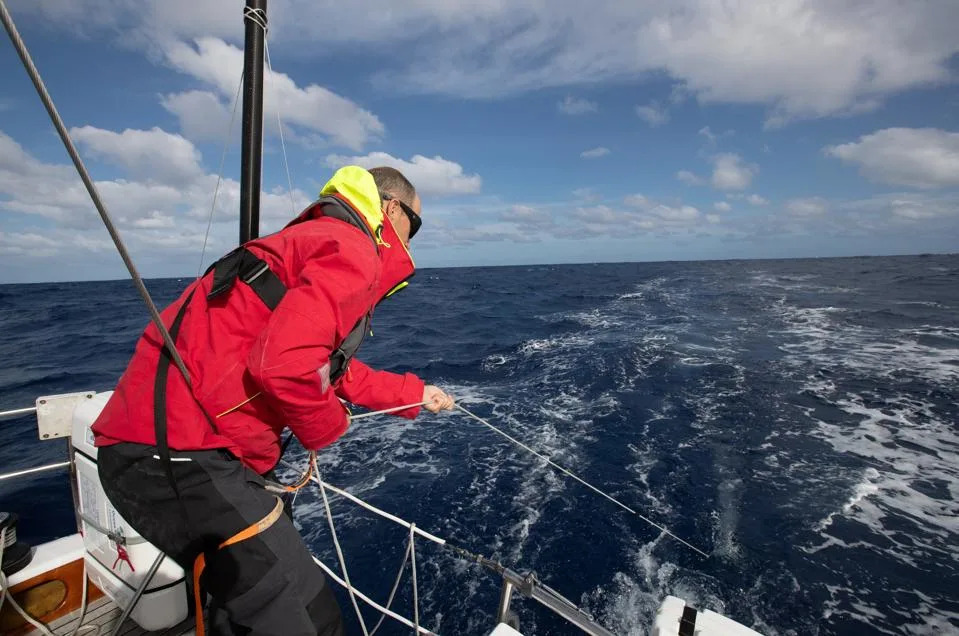
The Kailua crew collecting eDNA samples during a passage from New Zealand to Fiji as part of the Pacific Rally.James Frankham
Technology, Partnerships And Scale
Yacht‑based sampling complements other oceanographic measurements. The Ocean Race already requires teams to collect physico‑chemical data and microplastics; several teams have successfully added eDNA sampling without compromising performance. The initiative is supported by partners including the Vendée Globe Foundation, The Ocean Race, Illumina (for sequencing capacity), Sequench (hardware development) and the Minderoo Foundation (data coordination and public dashboards).
Sampling hardware continues to evolve. Sequench produces both tow‑behind 'torpedo' samplers for cruising rallies and compact integrated units for IMOCA and other high‑speed classes. New designs can pump water continuously at race speeds via keel inlets, though adapting systems for catamarans and other hulls remains an engineering challenge.
From Data To Action
Data gathered by Citizens of the Sea are being shared through global repositories such as the Global Biodiversity Information Facility and help inform organizations like the IUCN. Beyond species lists, longitudinal eDNA sampling can reveal range shifts, invasive species incursions, and outbreaks such as toxic algal blooms — all signals that can guide conservation policy and management.
Pochon and partners are developing interactive dashboards to make results accessible to the public and policymakers. The vision is to scale the program: with thousands of yachts crossing the seas annually, distributed eDNA sampling could offer unprecedented spatial and temporal coverage of marine biodiversity.
“It’s not a research vessel,” Amedeo says of his racing boat. “It’s a platform that sails routes research ships don’t — and that offers scientists the chance to gather unprecedented ocean data.”
This article was originally published on Forbes.com and has been edited for clarity and flow.
Help us improve.