Florida has long been synonymous with American oranges, but the bright fruit that once defined the Sunshine State is vanishing from grocery shelves. Decades of losses have left many groves barren and the state’s citrus industry a shadow of its former self.
What’s Driving the Collapse?
Citrus greening (huanglongbing) — a bacterial disease — is the primary culprit. The disease is spread by a tiny sap-sucking insect called the Asian citrus psyllid, first documented in Florida in 1998. Citrus greening was first detected in Florida trees in 2005 and has since spread widely: by the mid-2010s roughly 80% of trees were infected, and today that figure has climbed above 90% in many areas.
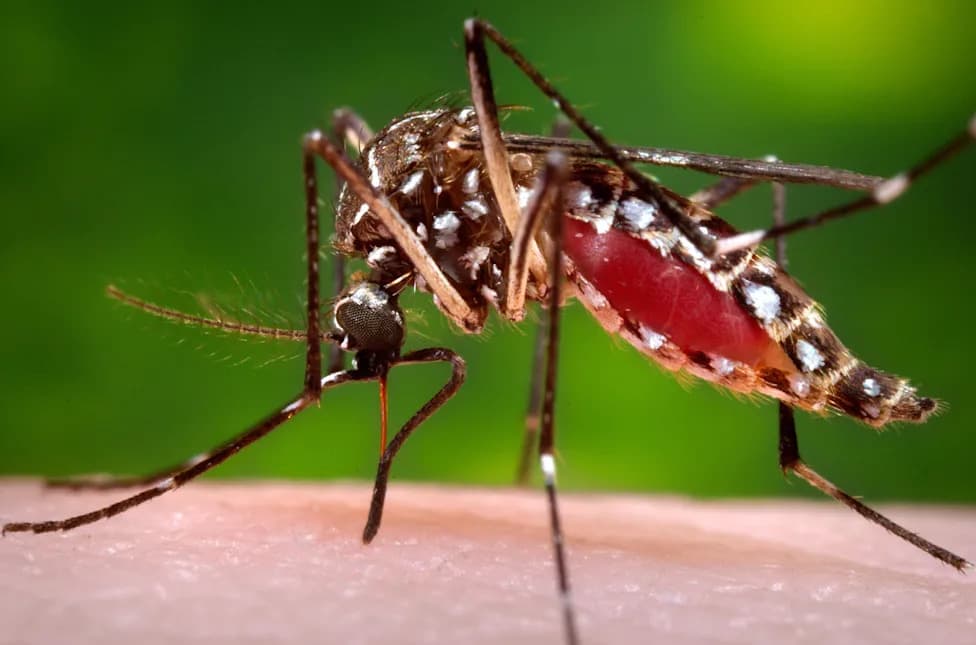
A closeup of an Asian citrus psyllid eating from a green leaf. - Alexey Protasov/Getty Images
Staggering Production Losses
Florida produced about 242 million boxes of oranges in 2003. Production is projected to fall to around 12 million boxes in 2026 — a decline of roughly 95% over two decades. Infected trees typically lose productivity and die within about five years; while ill, they produce smaller, green-tinted, bitter fruit that is unsuitable for many buyers and processors.
How Growers Are Responding
With no widely available cure, farmers have tried several strategies to limit spread and sustain yields. These include aggressive insecticide programs to suppress psyllid populations, biological-control releases (where available), and new cultural practices. A controversial and increasingly common practice is the use of oxytetracycline (OTC) applications to trees. OTC is a tetracycline antibiotic also used in human medicine; the long-term environmental and public-health impacts of widespread orchard use remain uncertain.
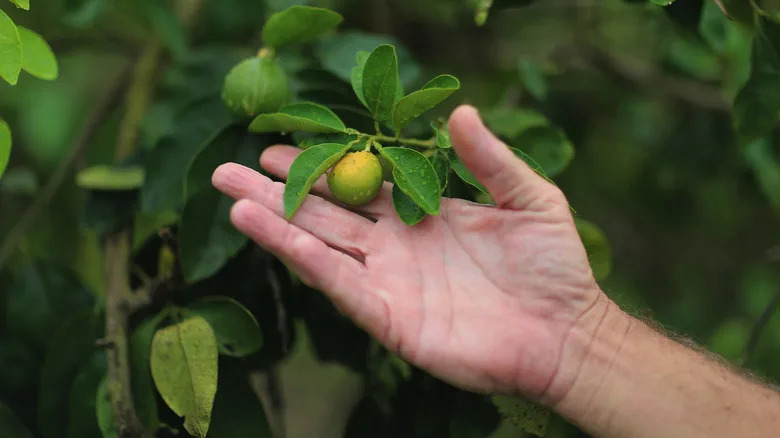
A man's hand is holding up a small orange fruit, which is showing symptoms of citrus greening in Florida. - Joe Raedle/Getty Images
Research And The Long Road Ahead
Researchers, universities and government agencies are investing in multiple approaches: breeding or engineering disease-resistant rootstock and varieties, developing targeted antimicrobials and trunk-injection treatments, improving biological control of psyllids, and refining integrated pest management. Progress is incremental, and no single short-term fix has yet reversed the widespread decline.
Economic And Land-Use Consequences
As yields fall and management costs rise, many growers are pulling out trees and selling groves. Developers have been buying cleared orchard land for housing and commercial projects. Once converted, that land is seldom returned to production, making large-scale recovery of Florida’s historic citrus footprint unlikely even if science eventually controls the disease.
Outlook
The future of Florida citrus depends on sustained research breakthroughs and cost-effective field solutions. While pockets of production may persist and new resistant varieties could revive some acreage over time, the era when Florida dominated U.S. orange production at 20th-century scale appears to be over.
Bottom line: Citrus greening transformed a regional pest problem into an industry crisis. Farmers, scientists and policymakers must work together to limit further losses, but recovery will be slow and partial.