New NEADA projections show the average U.S. household will spend about $778 on electricity from June through September, up 8.5% from last summer and roughly 37% since 2020. Southern regions — especially the South Atlantic and West South Central — are expected to see the largest increases. NEADA warns the trend will worsen conditions for vulnerable households: one in six is behind on energy bills and total utility debt is about $25 billion. Rising fuel costs, grid investments and growing data-center demand are among the drivers of higher retail electricity prices.
Americans Brace For Higher Summer Cooling Bills As Electricity Costs Climb
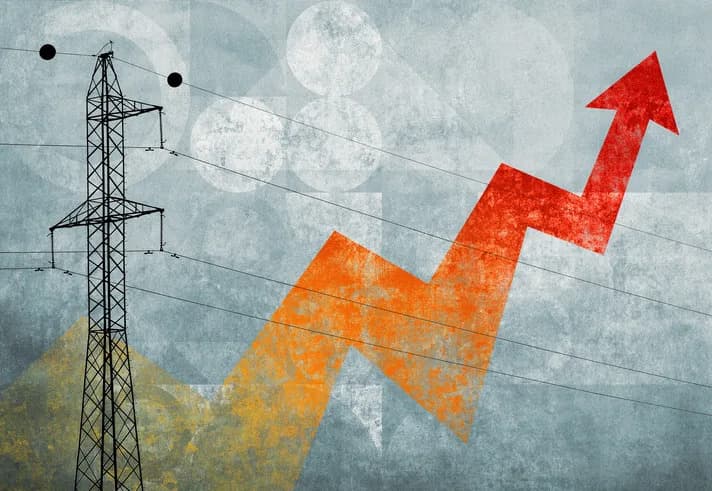
Americans expected to face another summer of higher cooling bills
Electricity prices have been rising faster than overall inflation, and new projections suggest many Americans will face higher cooling costs this summer.
The National Energy Assistance Directors Association (NEADA) forecasts the average U.S. household will spend about $778 on electricity from June through September — roughly $60 more than last summer (an 8.5% increase) and about 37% higher than in 2020.
NEADA attributed the rise to hotter seasonal temperatures and higher retail electricity prices driven by several factors, including increased fuel costs, investment in aging grid infrastructure, and growing demand from data centers.
“Families are squeezed from both directions,” said Mark Wolfe, NEADA’s executive director, noting that households are paying more per kilowatt-hour while using more electricity to stay safe during hotter summers.
Regional differences are pronounced. Households in Southern states are expected to see the largest increases because of widespread air-conditioning use and hotter forecasts. In the South Atlantic region (Maryland to Florida), seasonal cooling costs are projected to rise about 13.5% to $860, more than $100 higher than a year ago. The West South Central region (Texas, Louisiana, Arkansas, Oklahoma) is expected to rise about 11.5% to $924.
By contrast, Midwest households face a smaller increase, roughly 4.8%. Western regions are expected to be near the national average, with estimated increases of 8.0% in the Pacific zone and 8.8% in the Mountain region.
NEADA warned the projected increases will worsen conditions for vulnerable households: about one in six U.S. households is currently behind on energy bills, and aggregate utility debt across the country is near $25 billion. Nearly 70% of respondents in a recent Consumer Reports survey said home energy costs had strained their household finances, and about one-quarter said the strain was substantial.
The NEADA analysis uses data from the U.S. Energy Information Administration (EIA) and temperature forecasts from the National Oceanic and Atmospheric Administration (NOAA).
Sources: National Energy Assistance Directors Association (NEADA), Energy Information Administration (EIA), NOAA, Consumer Reports.
Help us improve.