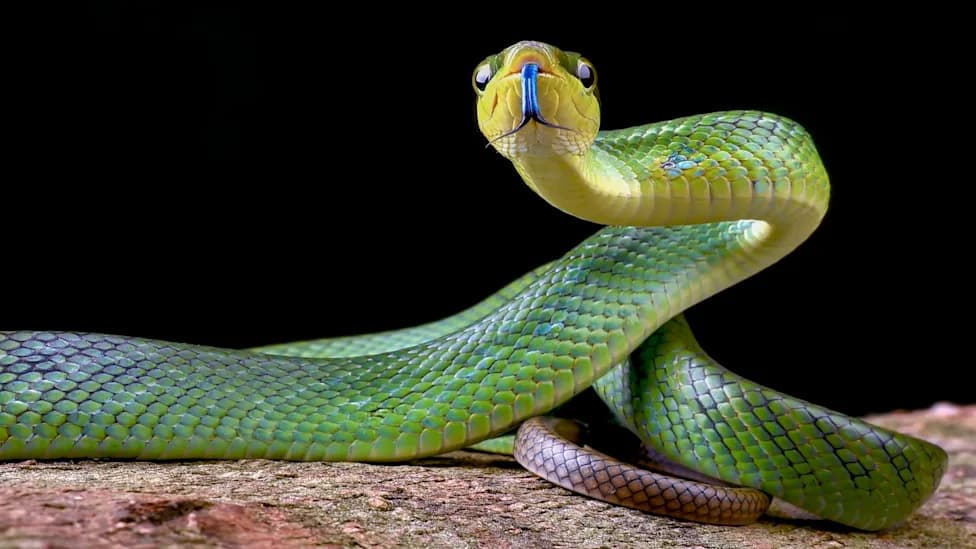
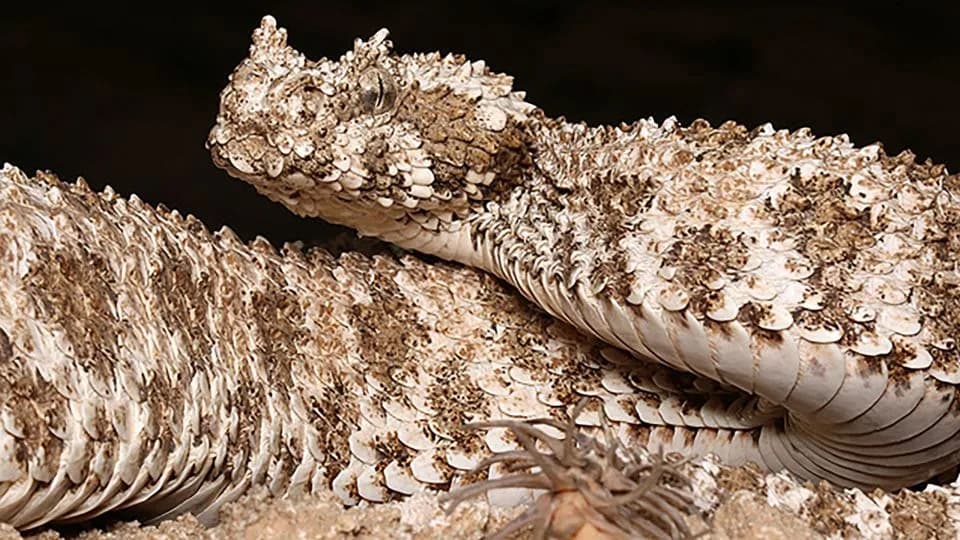
New fossil finds from Patagonia and Jurassic Scotland, combined with 3D braincase reconstructions and expanding genomic data, are reshaping our view of snake origins. Evidence increasingly favors a primarily terrestrial origin—possibly in sandy or arid environments—with opportunistic burrowing. Around 125 million years ago snakes underwent rapid innovations in skull flexibility, jaw mechanics and body elongation that enabled wide dietary breadth and global diversification. Ongoing whole‑genome sequencing and continued fossil discovery aim to resolve remaining gaps.
How Snakes Evolved: Fossils and Genomes Rewrite the Serpent Story
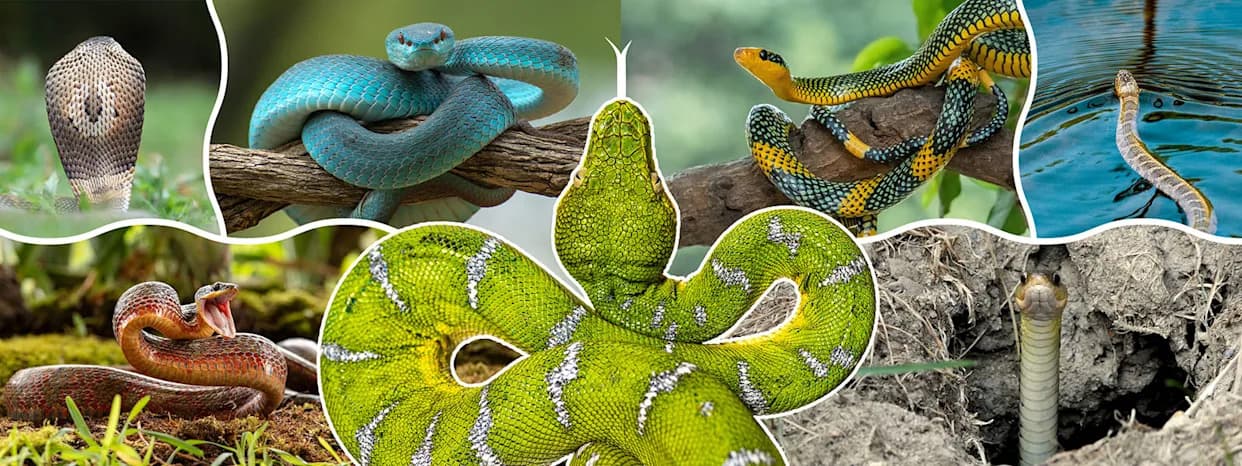
When dinosaurs ruled much of the planet, tiny mammals hid in burrows—and those snug refuges may have opened a door for a very different reptile: the snake. Slim, flexible bodies allowed early snakes to exploit narrow spaces and new prey, a scenario championed by Marc Tollis of Northern Arizona University.
Gaps in a Long, Narrow Fossil Record
Despite their modern diversity, the fossil record of snakes is fragmentary: delicate skulls and elongate, flexible bodies rarely fossilize intact. That scarcity leaves open major questions about where snakes first evolved and which living reptiles are their closest relatives.
New Fossils and Modern Tools
Recent discoveries and genomic analyses are reshaping the story. Fossils from Patagonia—Najash rionegrina (≈95 million years old) and Dinilysia patagonica (≈80 million years old)—and a four‑legged Jurassic specimen from Scotland (Breugnathair elgolensis) provide fresh anatomical clues. At the same time, 3D X‑ray imaging of the braincase and growing genomic datasets are helping scientists infer ancestral anatomy and developmental pathways.
Terrestrial Roots, With a Burrowing Side
Researchers debate whether the earliest snakes were terrestrial, fossorial (burrowing), or aquatic. Evidence has shifted away from a strictly marine origin: some early Middle Eastern swimmers likely descended from land ancestors that later entered the sea. Anatomical features in Patagonian fossils and braincase reconstructions suggest a primarily terrestrial origin—perhaps in sandy or arid habitats—with the capacity for occasional burrowing rather than an exclusively subterranean lifestyle.
Losing Legs And Gaining A Serpentine Body
One defining transition was limb loss and extreme body elongation. Limb reduction likely occurred between about 150 and 125 million years ago, producing the streamlined, many‑vertebrae body plan that aids crawling, climbing and swimming. Transitional fossils are rare and sometimes ambiguous, and a few putative four‑legged snakes have been reinterpreted as lizards, highlighting the challenges of classifying fragmentary specimens.
Skull Innovation: The Kinetic Cranium
Snakes evolved a highly kinetic cranium: skull bones joined by flexible tissues and rearranged braincase architecture that together allow enormous gape and independent movement of jaw and palate elements. These changes enabled snakes to consume very large or awkward prey—ranging from slugs and eels to other snakes—and helped fuel their ecological diversification.
Genomes Uncover Developmental Mechanisms
Molecular work complements fossils. Comparative genetics link limb loss to loss of function in a limb‑promoting regulatory element called ZRS. Researchers have also reported that snakes lack the gene for the hunger hormone ghrelin, a change that may help some species withstand prolonged fasts. Large‑scale genomic projects sequencing whole genomes from more than 100 snakes and lizards promise finer evolutionary trees and deeper insight into the genes shaping snake anatomy and behavior.
Why More Fossils Matter
The same traits that made snakes so adaptable—fragile skulls and elongate bodies—also make their fossils rare and incomplete. Better fossil sampling coupled with dense genomic data will be crucial to resolving where snakes fit on the reptile tree and what the earliest snakes actually looked like.
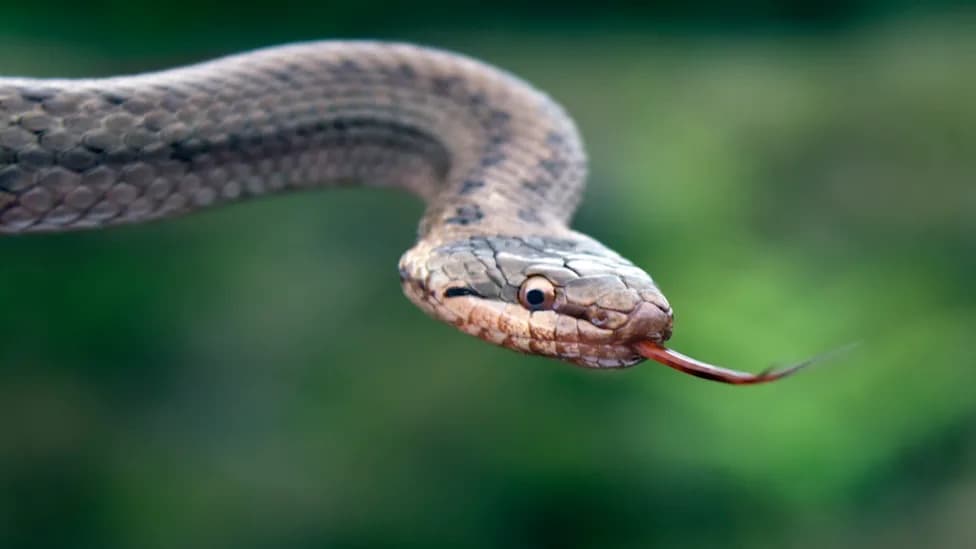
“You’re looking at the culmination of more than 100 million years of evolution,” says Frank Burbrink of the American Museum of Natural History—an apt reminder to marvel at even a common wriggling garter snake.
This article originally appeared in Knowable Magazine, an independent journalistic project of Annual Reviews.
Help us improve.