A three-year, large-scale study of thousands of U.S. schools found that phone bans—typically enforced with locked pouches—successfully removed devices from classrooms but did not produce measurable improvements in test scores, attendance or sustained discipline. Disciplinary incidents and suspensions rose briefly after implementation, and student wellbeing dipped initially before recovering. Parents and teachers tended to support the policies while students opposed them; the study's author called the results "encouraging" and urged patience before judging effectiveness.
Phone Bans Remove Devices but Don't Boost Scores or Discipline, Major Study Finds
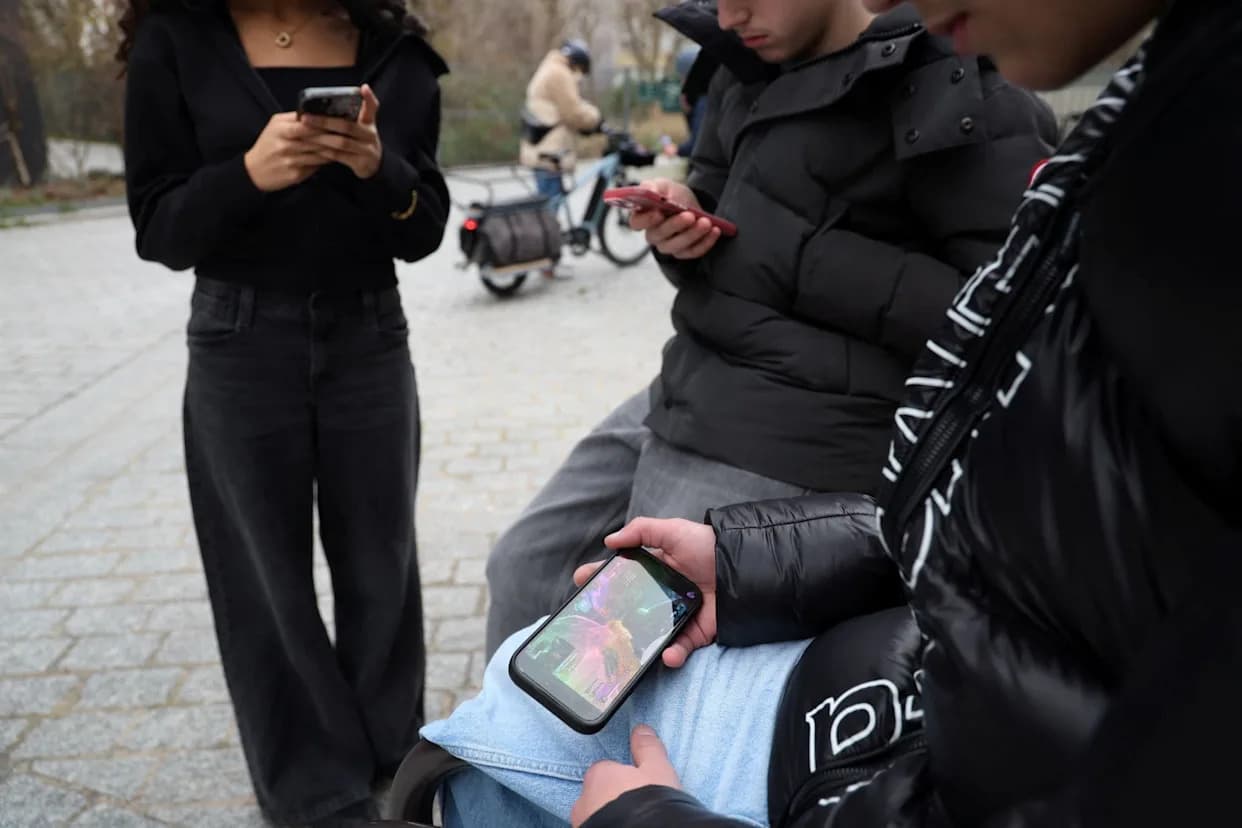
A major three-year study of thousands of U.S. schools found that policies requiring students to store mobile phones in locked pouches successfully removed devices from classrooms but produced no clear gains in test scores, attendance or sustained discipline improvements.
Study Design
Researchers tracked thousands of schools over three academic years, comparing outcomes in schools that introduced phone bans (often enforced with locked pouches) with similar schools that made no such change. This large-scale comparison allowed the team to observe short- and medium-term effects of the policy.
Key Findings
- Device removal: The bans reliably kept phones out of students' hands during the school day.
- Academic measures: Attendance, self-reported classroom attention and standardized test scores showed little or no change after implementation.
- Discipline: Disciplinary incidents and suspensions rose briefly following the introduction of bans, with no evidence of lasting reductions in misconduct.
- Wellbeing: Student wellbeing dipped initially after bans were implemented, then recovered over time.
Reactions and Context
Pupils tended to dislike the restrictions, while parents and teachers were generally more supportive. The study's lead author described the results as "encouraging" and cautioned against abandoning phone bans simply because immediate improvements in test scores did not appear.
"The findings suggest phone-free classrooms can be part of a broader approach to improving learning environments, but they are not a quick fix for academic outcomes," the author told The New York Times.
Policymakers and school leaders may interpret the results as a sign that device restrictions can change classroom conditions but should be paired with other strategies—such as instructional practices and wellbeing supports—to pursue longer-term academic and behavioral gains.
Help us improve.