Seven OPEC+ members — Saudi Arabia, Russia, Algeria, Iraq, Kazakhstan, Kuwait and Oman — agreed to raise output by 188,000 barrels per day starting in June in a bid to support market stability. The move is widely seen as modest and largely symbolic given disruptions in the Strait of Hormuz, which have removed an estimated millions of barrels per day from global flows. The decision follows the United Arab Emirates' exit from OPEC and underscores the fragile balance facing global oil markets. The group will meet monthly and reconvene on June 7 to review conditions.
OPEC+ Seven Approve Modest 188,000 bpd June Boost as Strait of Hormuz Disruptions Tighten Markets
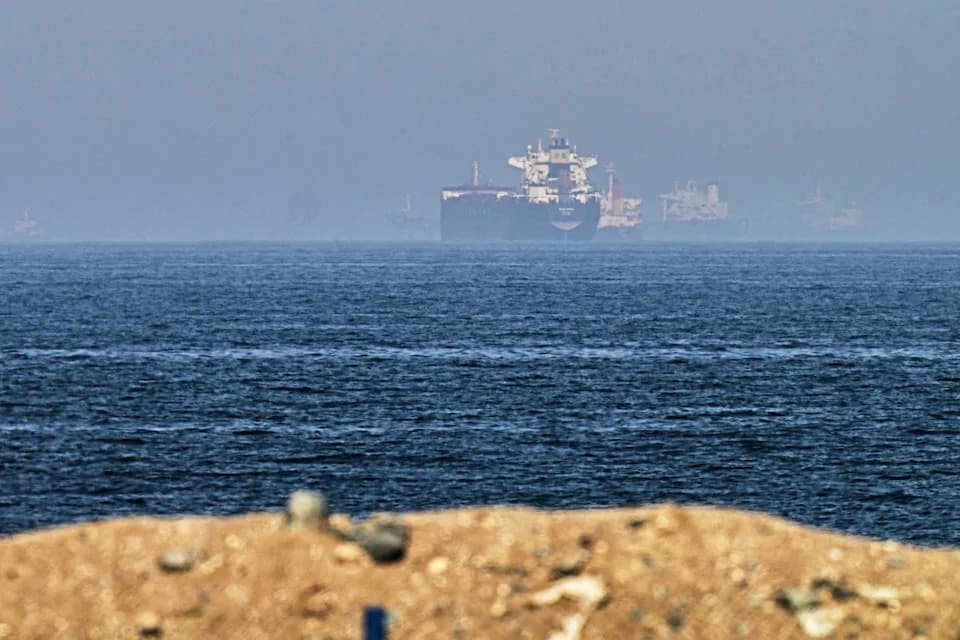
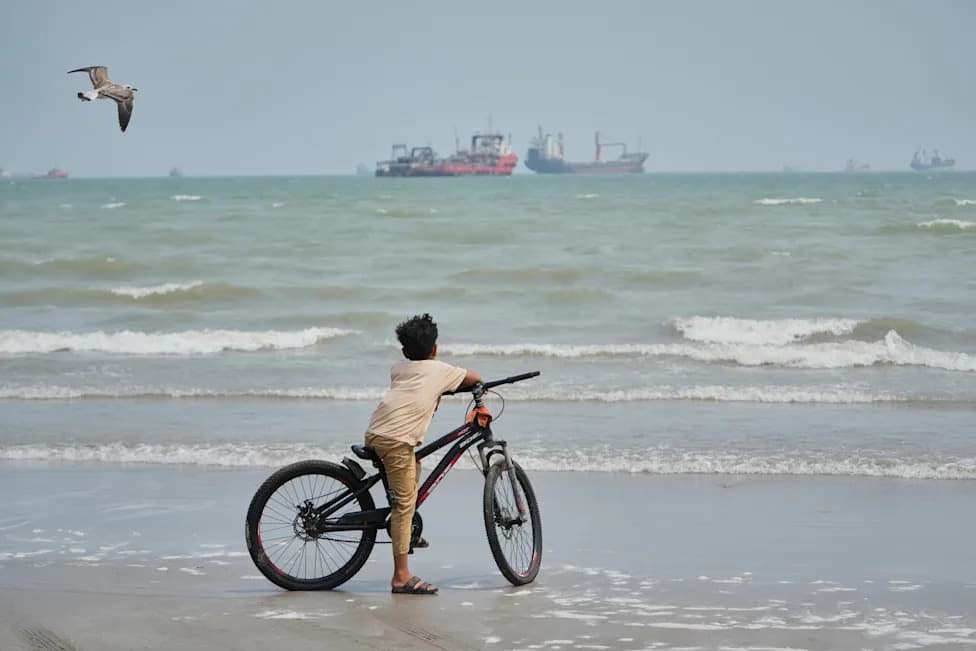
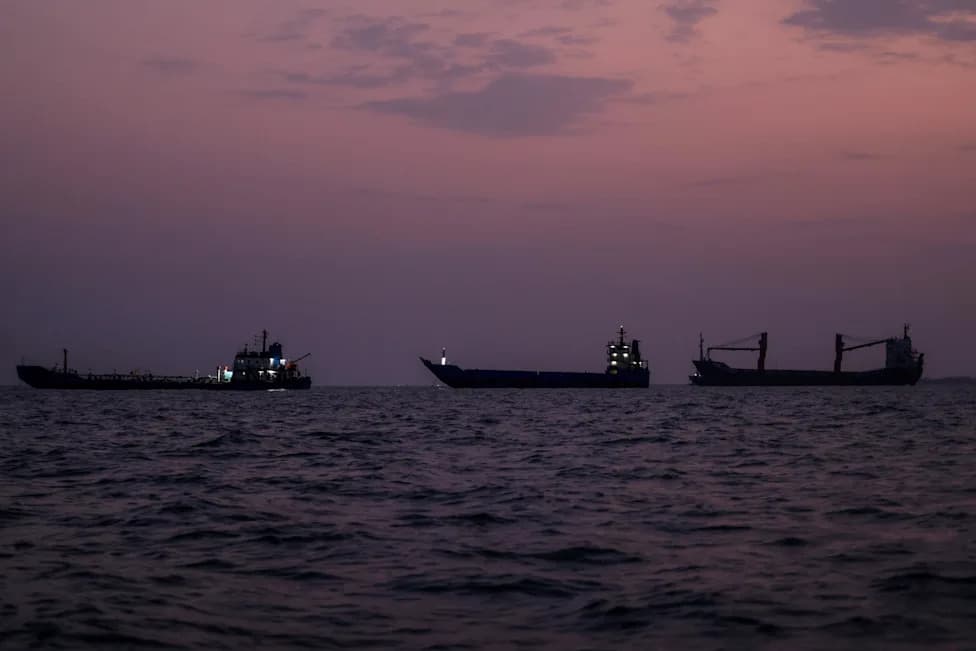
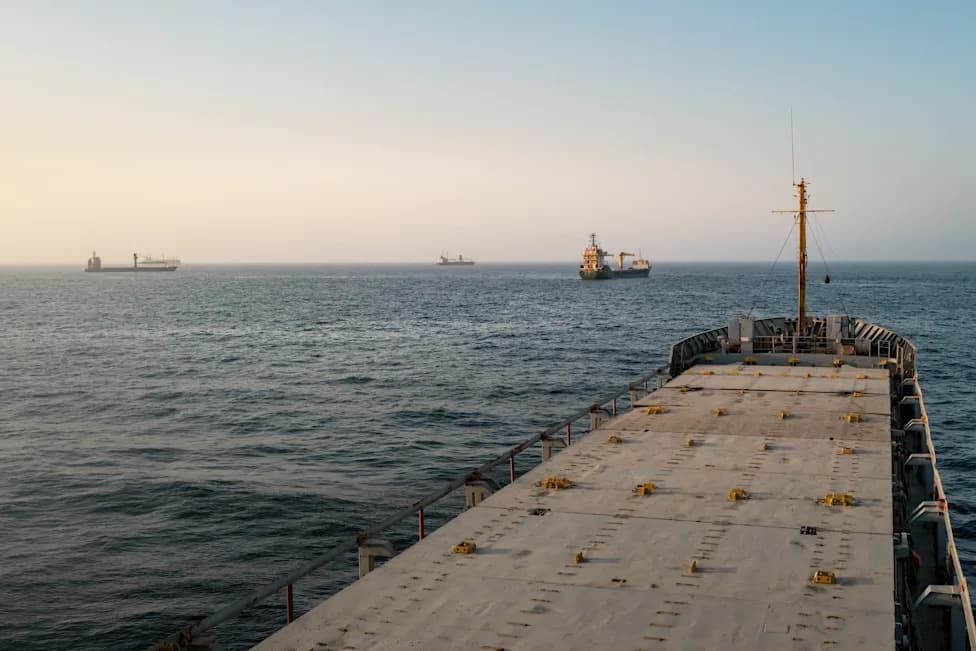
Cargo ships are seen at sea near the Strait of Hormuz, as viewed from a rocky shoreline near Khor Fakkan, United Arab Emirates, Friday, May 1, 2026. (AP Photo/Fatima Shbair)(ASSOCIATED PRESS)
Seven members of the wider OPEC+ coalition — Saudi Arabia, Russia, Algeria, Iraq, Kazakhstan, Kuwait and Oman — said they will raise collective oil production by 188,000 barrels per day starting in June as part of a pledge to support market stability.
The decision was announced after a virtual meeting and is presented by the seven nations as a measured response to evolving market conditions. The countries said they will hold monthly meetings "to review market conditions, conformity, and compensation," and plan to reconvene on June 7 to reassess supply and compliance.
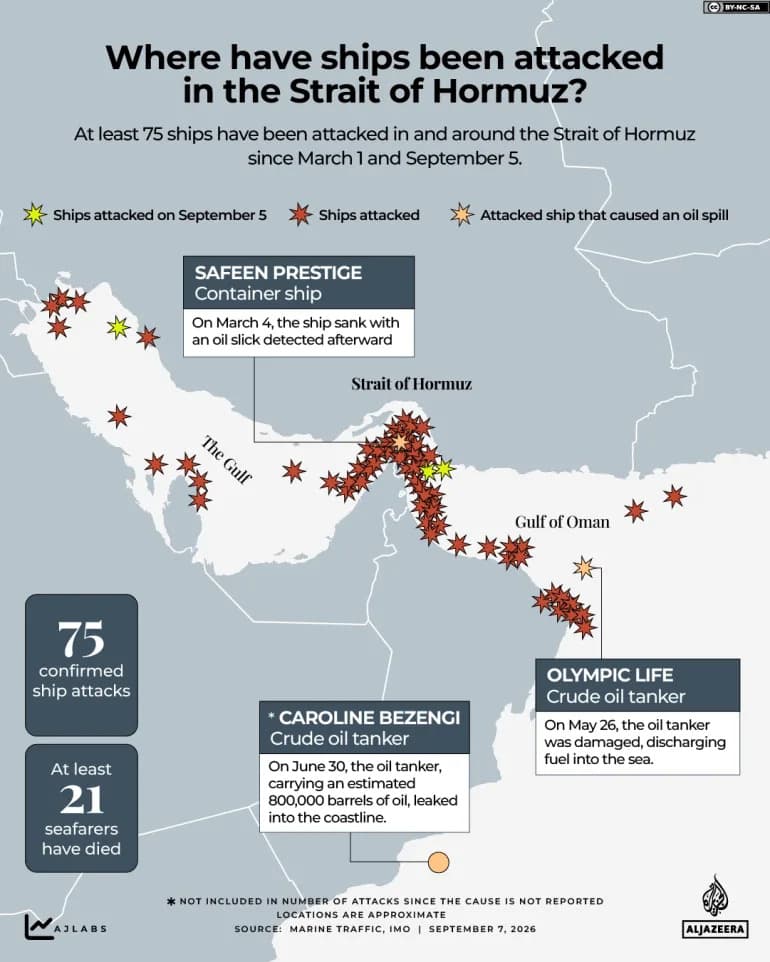
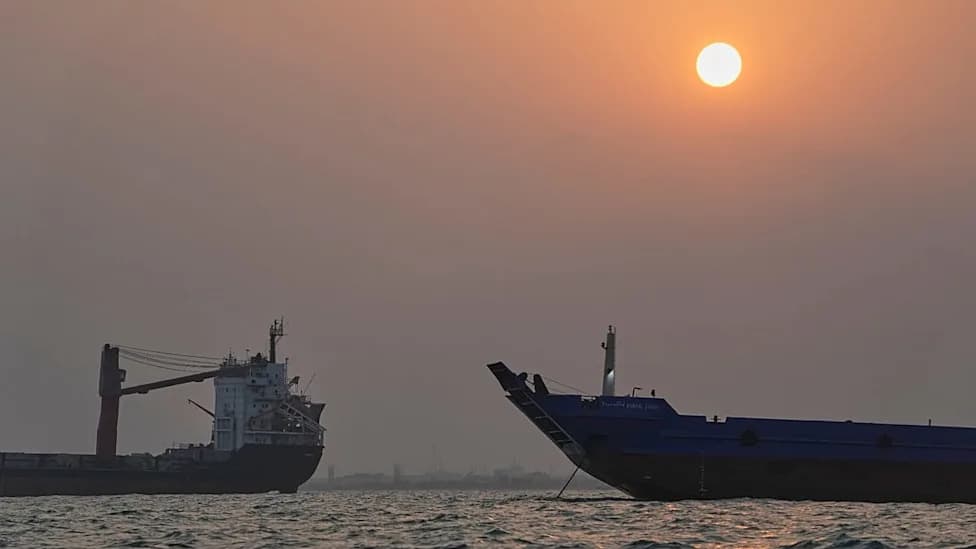
Market context: Observers called the move largely symbolic because it comes amid significant shipping disruptions in the Strait of Hormuz. Reports say Iran has obstructed transit through the strait — a strategic chokepoint at the mouth of the Persian Gulf through which roughly one-fifth of the world’s oil and natural gas trade typically passes — contributing to the removal of an estimated millions of barrels a day from global flows and tightening markets.
FILE - The logo of the Organization of the Petroleum Exporting Countries (OPEC) is displayed outside of OPEC's headquarters in Vienna, Austria, Thursday, March 3, 2022. (AP Photo/Lisa Leutner, File)(ASSOCIATED PRESS)
The announcement also follows the recent decision by the United Arab Emirates to leave OPEC, a development that reshapes the 65-year-old alliance that historically coordinated production policies among member states. Together, OPEC and its broader partners in OPEC+ account for roughly 40% of the world’s crude oil, giving their decisions notable weight for global energy prices.
For clarity: Iran remains one of OPEC’s 12 formal members, while Russia is not an OPEC member but participates in the OPEC+ cooperation framework. The seven countries emphasized their intent to monitor market developments closely and adjust policy as needed to preserve stability.
Implications: The modest output increase is unlikely on its own to offset the supply gap caused by disruptions in the Hormuz corridor. Market participants will watch subsequent monthly meetings and compliance levels closely for signs of a sustained easing or further tightening of supply.
Help us improve.