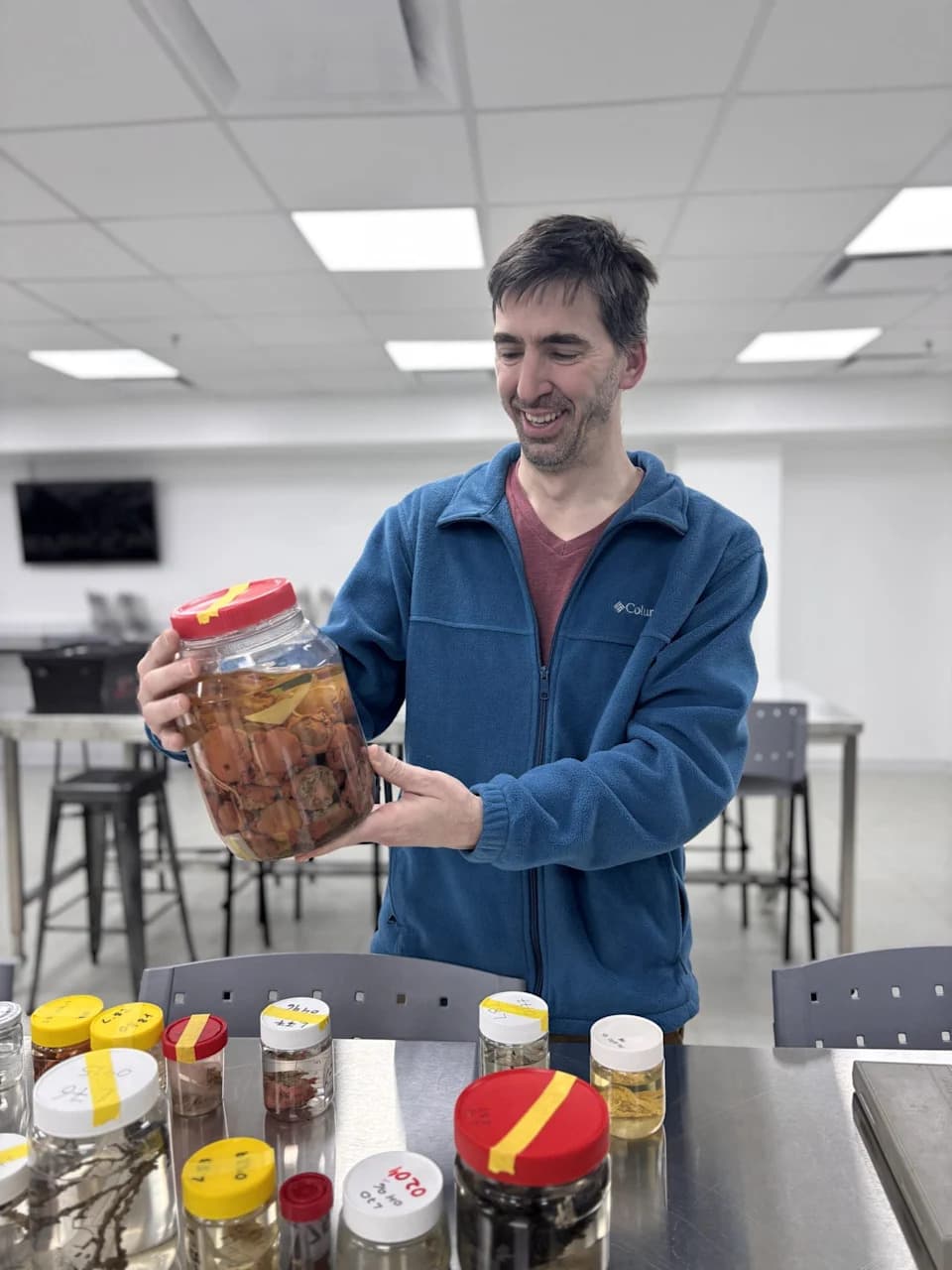
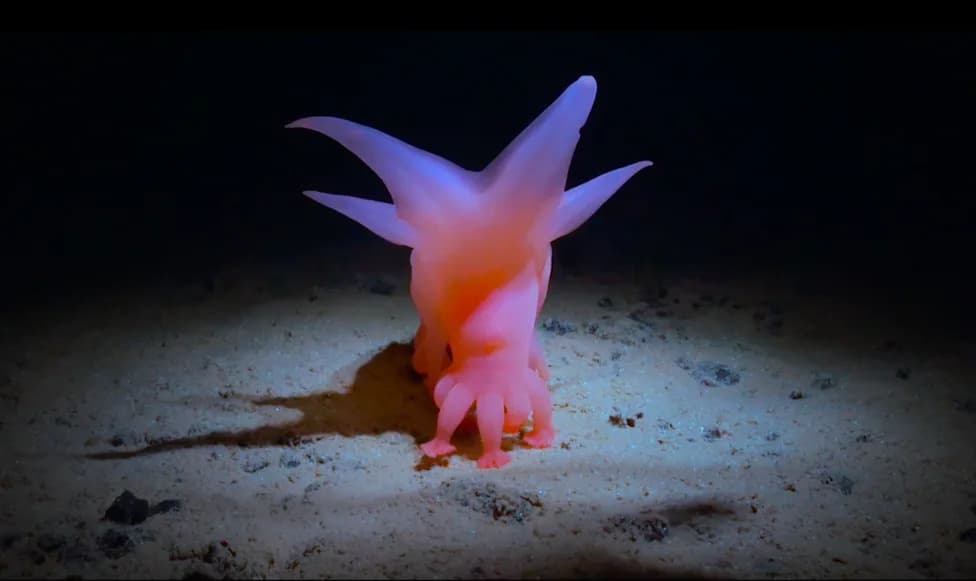
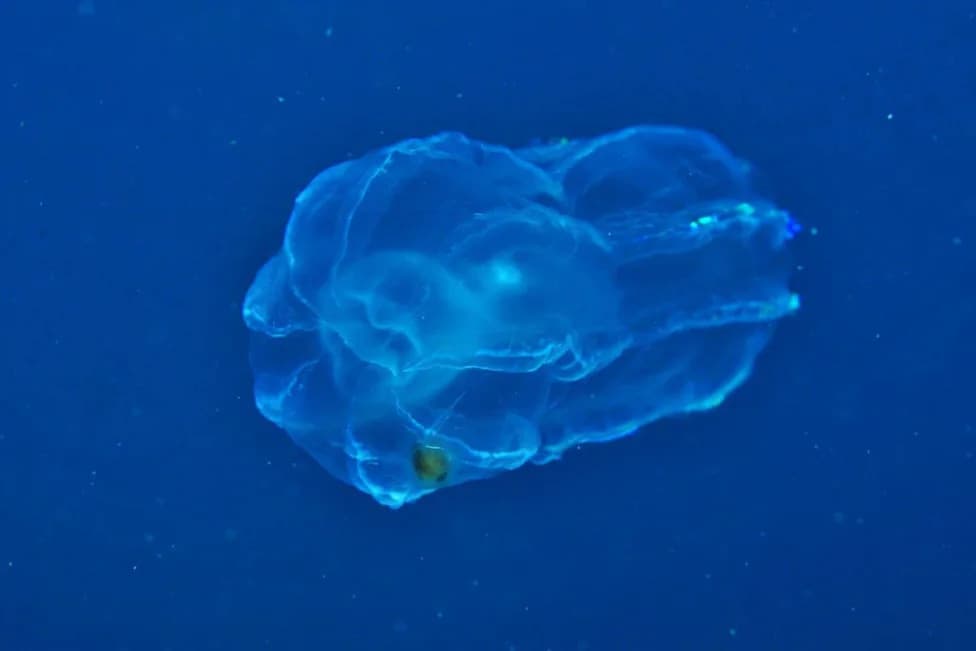
Scientists and online volunteers named a newly described deep‑sea chiton Ferreiraella populi, selecting "populi" from over 8,000 public submissions. The specimen was collected from about 18,100 feet (≈5,517 m) on sunken wood, and SOSA fast‑tracked the formal description from discovery in 2024 to naming in 2026. Described in the Biodiversity Data Journal, the species highlights how citizen science can raise awareness of deep‑sea biodiversity and threats like deep‑sea mining.
Scientists and the Public Name New Deep‑Sea Chiton Ferreiraella populi — "Taxonomy Has Never Been This Fun"
Photo Credit: iStock
Scientists partnered with online volunteers to name a newly described deep‑sea chiton discovered on sunken wood off the coast of Japan. The Senckenberg Ocean Species Alliance (SOSA) announced the species as Ferreiraella populi.
Discovery and Public Naming
The pale chiton was collected attached to a piece of sunken wood at roughly 18,100 feet (≈5,517 meters) below the surface. It has eight overlapping shell plates that let it grip wood and colorful highlights on its radula (the toothed tongue), traits that made it an excellent candidate for a public naming campaign. Researchers received more than 8,000 name suggestions; the epithet populi ("of the people") was proposed by 11 different contributors and was ultimately selected.
"We were overwhelmed by the response and the massive number of creative name suggestions!" said Julia Sigwart, a member of the team that located the organism.
From Discovery to Publication
SOSA used an accelerated formal process to move the specimen from discovery in 2024 to an official name in 2026. Ferreiraella populi is one of three new species described in a study published in the Biodiversity Data Journal.
Why This Matters
Sunken wood creates short‑lived but nutrient‑rich habitats that can host diverse communities; earlier work has recorded about 26 species on a single log. Because these sites are difficult to access and observe, each expedition can yield important discoveries that improve our understanding of deep‑sea biodiversity. By involving the public, researchers aimed to raise awareness of fragile deep‑sea communities and looming threats such as deep‑sea mining, while also highlighting the value of citizen science in supporting costly expeditions and conservation efforts.
SOSA celebrated public involvement in the naming process: "Taxonomy has never been this fun."
Help us improve.