Human infants are born with about 100 more separate skeletal elements because many bones start as cartilage and fuse over years, a process that often continues into the mid-20s. This extended skeletal maturation reflects an evolutionary trade-off: bipedalism narrowed the pelvis while increasing brain size pushed for earlier deliveries. Maternal metabolic limits around term also constrain gestation, shifting critical brain growth and myelination into the postnatal period and enhancing neuroplasticity.
Why Babies Are Born With More Bones Than Adults — And Why That’s Clever Evolution
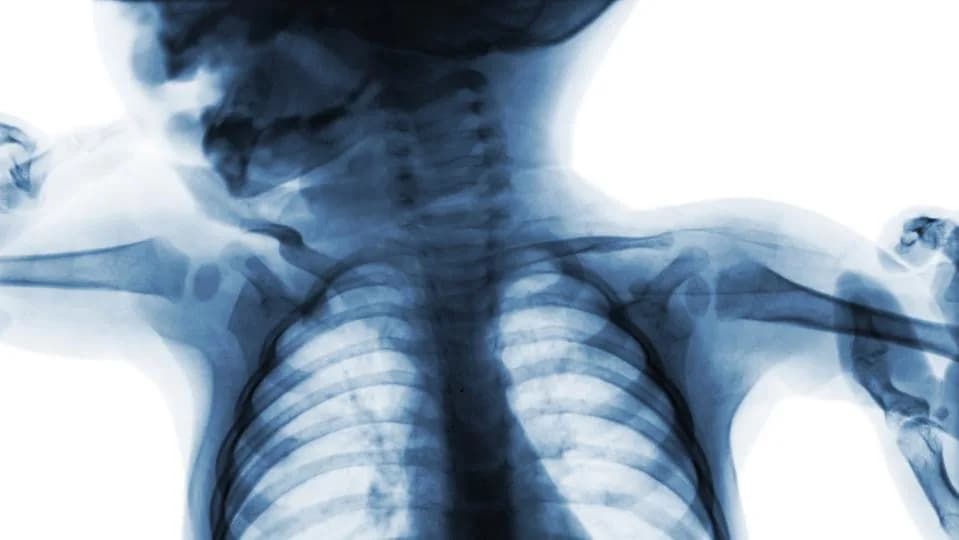
Human babies arrive with nearly 100 extra bones for the same reason birth is the most dangerous event in mammalian life, and both facts trace back to the same evolutionary gamble.getty
You were born with roughly 100 more separate skeletal elements than you have today. Far from a mistake, those extra pieces — many of them cartilage templates that later harden and fuse — are part of an adaptive developmental strategy that links the demands of walking, childbirth and brain growth.
How bones mature: Most of the ‘‘extra’’ neonatal structures begin as pliable cartilage and convert to bone through endochondral ossification. This is a staged cellular program of chondrocyte proliferation, hypertrophy and mineralization that unfolds across the entire skeleton but on different timetables for different bones. Because of this, skeletal maturation continues well into the mid-twenties.
Examples from the body: The spine forms from multiple ossification centers: neural arches, vertebral centra and ring apophyses are separate at birth and fuse gradually through childhood and adolescence. The wrist contains eight carpal bones that are entirely cartilaginous at birth; ossification follows a predictable sequence that can extend into late childhood. The long bones lengthen at growth plates (epiphyseal plates), cartilage regions regulated by growth hormone, IGF-1 and sex steroids; these plates disappear when bones reach their adult length. Even the clavicle, which begins ossifying early in fetal life, frequently does not finish fusing until the mid-20s.
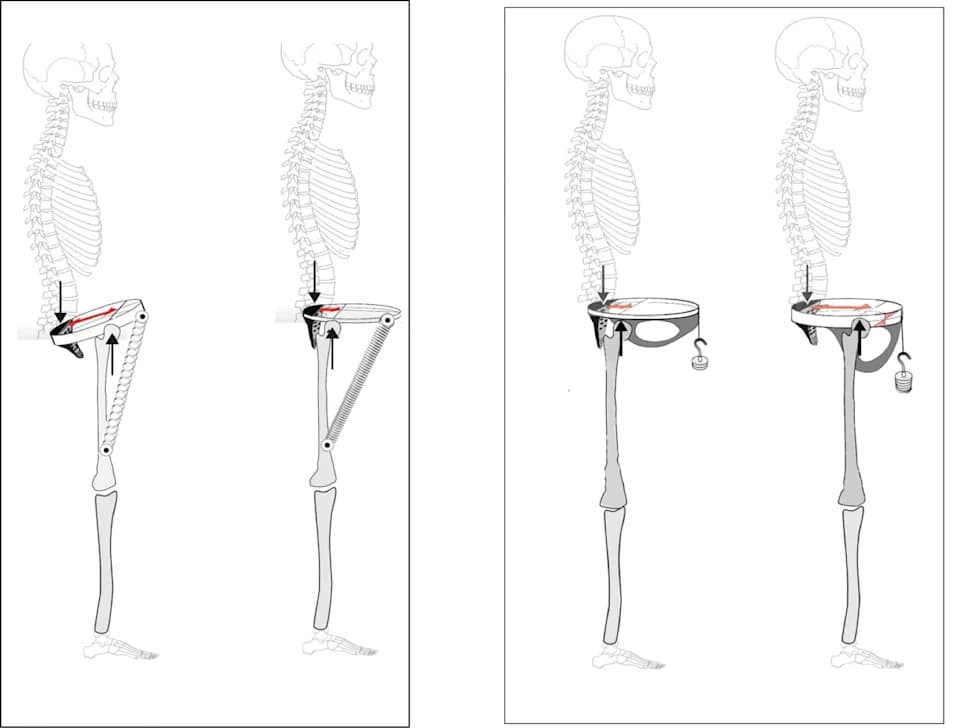
Why this prolonged schedule? The answer is evolutionary trade-offs. Two major pressures acted on our ancestors: bipedalism, which reshaped and narrowed the pelvis for efficient walking, and encephalization, the expansion of brain size in the Homo lineage. A narrower birth canal and a larger fetal skull create a tight fit. The evolutionary solution — called the "obstetrical dilemma" and related to "secondary altriciality" — was to give birth earlier, when infants are neurologically and skeletally immature.
Delivering an immature newborn shifts substantial brain development into the postnatal period. Maternal metabolic limits near the end of pregnancy further constrain how long a fetus can keep growing. Together, pelvic geometry and maternal energetics favor a shorter gestation and extensive postnatal growth and myelination of the brain.
Why it matters: The extended postnatal window for brain growth places neural development in a social, sensory and linguistic environment, heightening plasticity. Recent comparative studies across placental mammals found humans show the strongest evolutionary shift toward postnatal brain development (altriciality), particularly in processes linked to myelination — the wiring that speeds neural communication and supports learning.
Reframing incompleteness: The cartilaginous bones, open growth plates and late-fusing clavicle are not flaws but deliberate developmental choices. They buy time and flexibility for a brain that must learn language, culture and complex social behavior. In this sense, our ‘‘unfinished’’ skeleton is a feature that enabled one of our species’ greatest strengths: extended learning and plasticity.
Originally published on Forbes.com.
Help us improve.