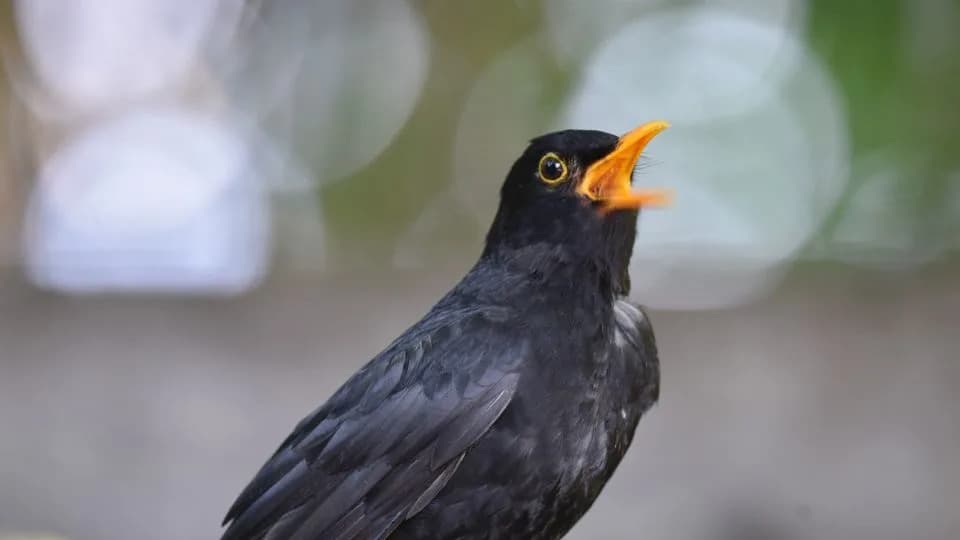
Field experiments in France, Germany, Poland, Spain and Czechia found urban birds fled sooner when approached by women than by men. Across more than 2,000 approaches and 37 species, birds allowed male observers roughly one metre closer on average. Researchers controlled obvious visual cues but say subtle factors — scent, movement or small physical differences — need targeted follow-up.
Why Urban Birds Flee Women Sooner Than Men: New Study Across Five Countries
(Johner Images/Johner Images Royalty-Free/Getty Images)
Field experiments across five European countries have found that common urban birds tend to flee sooner when approached by a woman than when approached by a man. The study, published in the journal People and Nature, analysed more than 2,000 approaches to 37 species and revealed a consistent difference: on average, birds allowed male observers to come about one metre closer before flying or moving away.
Where and how the study was done
Researchers carried out standardized approaches in France, Germany, Poland, Spain and Czechia. Pairs of observers (one man and one woman) were matched for height and dressed in the same colours. Each person took turns walking directly toward a bird at a steady, normal pace, keeping head and eyes fixed on the bird. Female observers were not recorded while menstruating, and long hair was tied back to reduce visual differences.
Consistent pattern across species

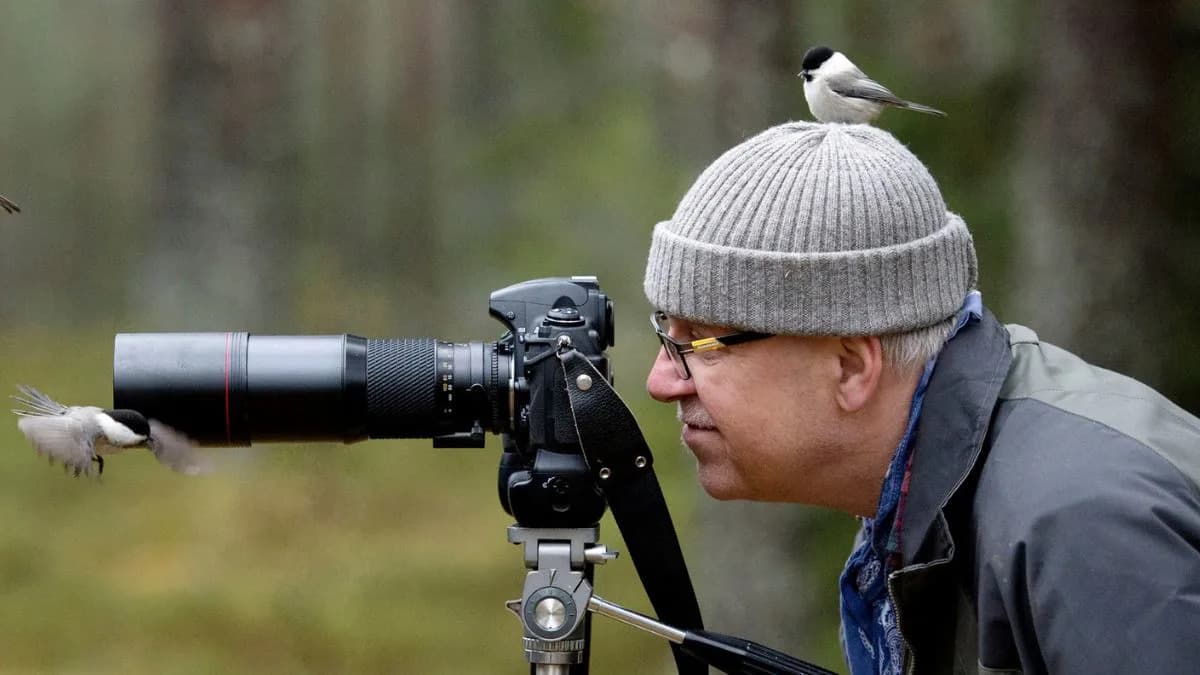
Bird watchers on the lookout. (John Rowley/Digital Vision/Getty Images)
The pattern appeared across many common urban species — blackbirds, robins, starlings, finches, crows, sparrows, magpies, ducks, jays, and woodpeckers — suggesting that the observers' sex, rather than any particular bird species, best explained the difference in tolerance.
Mechanisms are still unclear
Researchers deliberately controlled obvious visual cues, yet birds still distinguished between observers. The team suggests the cues could be olfactory (scent), subtle differences in movement or posture, vocal qualities, or small physical traits not fully controlled in the study. Birds were once thought to have weak smell, but growing evidence shows many species possess strong olfactory abilities, which leaves scent as a plausible avenue to investigate.
"Urban birds clearly react to subtle cues that humans do not easily notice,"
— Yanina Benedetti, Czech University of Life Sciences Prague.

Subscribe to ScienceAlert's free fact-checked newsletter
Why this matters
The finding challenges simple historical explanations — for example, the assumption that birds would be warier of men because of long-term hunter–gatherer roles — and highlights how the identity of an observer can shape animal behaviour in field studies. Similar sex-based differences in animal responses have been documented elsewhere: lab mice, some captive primates, horses and cows often show stronger stress responses when handled by men. The present study is notable for showing the opposite pattern in wild urban birds.
Next steps
Authors call for follow-up experiments that isolate individual factors (scent samples, controlled motion profiles, or masked visual cues) to identify what birds detect. The result also has practical implications for how scientists design fieldwork and interpret behavioural data in urban ecology.
Publication
The research is published in People and Nature. The study’s international authorship and large dataset strengthen the reliability of the pattern, though the causal mechanism remains an open question.
Help us improve.