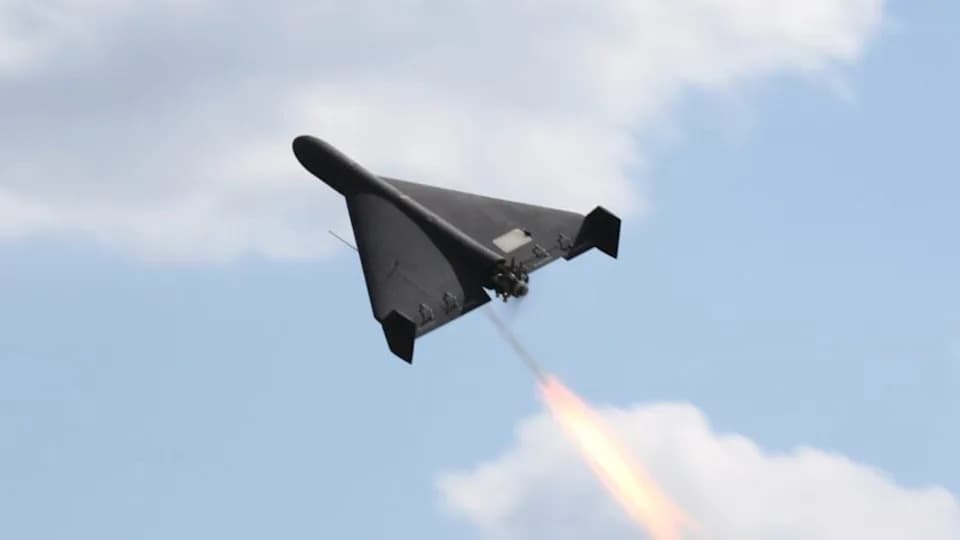
Beijing implemented strict drone controls on May 1, banning the purchase, rental, transport and operation of drones in the city without prior authorization. Owners must register with local police, complete a 30-minute exam and receive flight approval; drones and key components cannot be brought into or stored within the urban core without permission. Officials cite security and safety concerns — including surveillance and battlefield uses — while the rules complicate life for hobbyists, travelers and firms such as DJI.
Beijing Declares Drone Lockdown: Stores Empty as City Bans Unapproved Drones
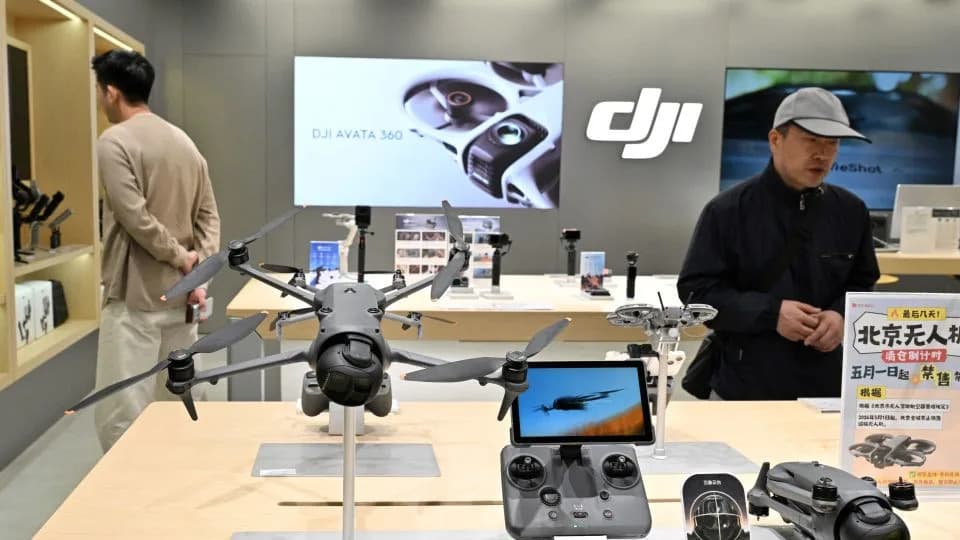
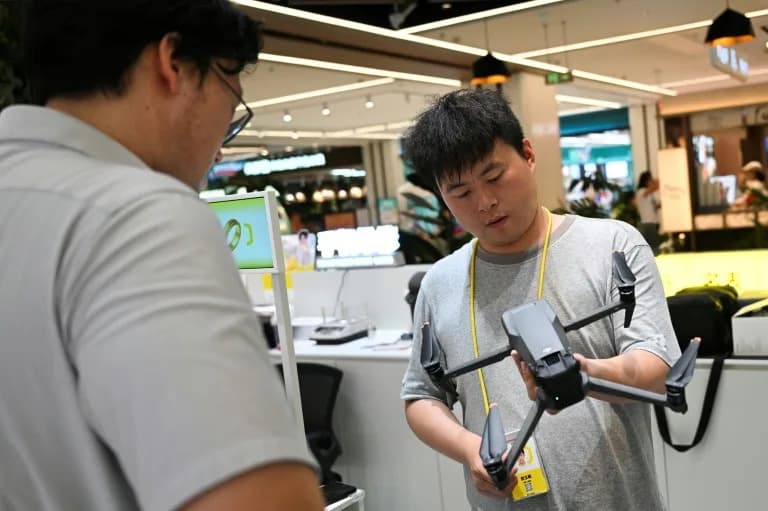
People visit a DJI store at a mall in Beijing on April 28, 2026. On May 1, 2026 Beijing government will ban new consumer drone sales. - Adek Berry/AFP/Getty Images
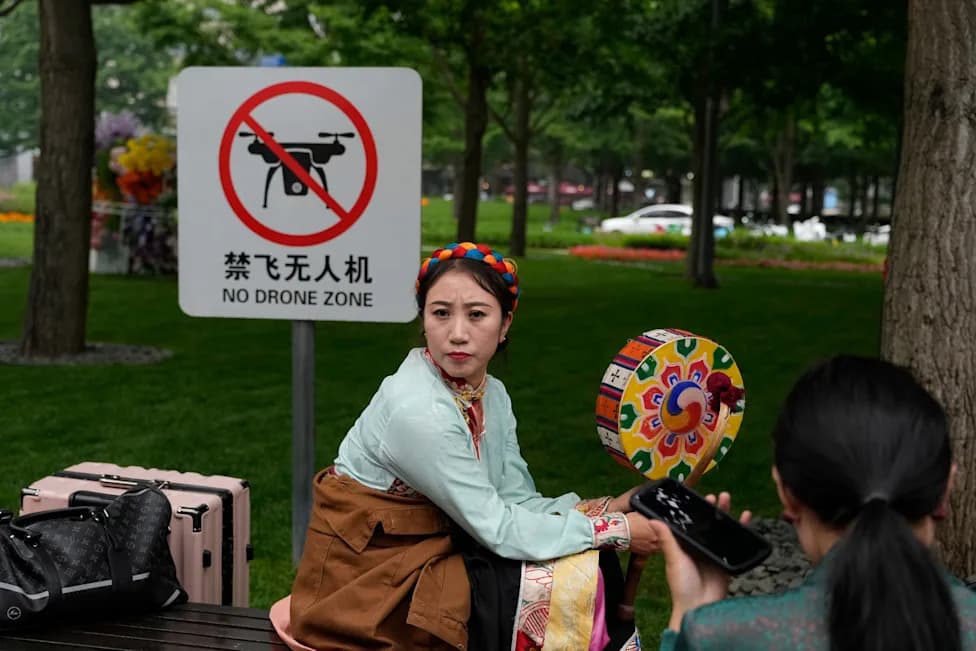
Beijing has effectively gone drone-free. As of May 1, sweeping municipal rules prohibit buying, renting, transporting or flying consumer drones within the city’s jurisdiction without prior authorization — a dramatic reversal for the country that helped create the recreational drone market and remains its dominant manufacturer.
What the Rules Require
Under the new regulations, owners must register with local police, verify their identity in an official app and pass a 30-minute qualification exam before operating a drone in Beijing. The measures also bar drones and key components from being transported into the city without permission, ban commercial storage of drones in the urban core, and criminalize the hacking or unauthorized modification of drone systems.
Scenes on the Ground
Flagship DJI stores in Beijing reported near-empty display racks as hobbyists rushed to buy remaining inventory ahead of the ban. Zoe Zhao, 44, told reporters she only secured a last-minute purchase after registering with local police and completing the required online exam. Repair shops and retail staff have warned that owners will face limits on repairing or replacing drone equipment inside the city.
Security Rationale
Municipal authorities said the rules aim to “strengthen the management of unmanned aerial vehicles” and “safeguard the security of the capital.” Officials have pointed to surveillance risks around sensitive military and political sites, as well as the weaponized use of modified consumer drones observed on battlefields such as the Russia–Ukraine war.
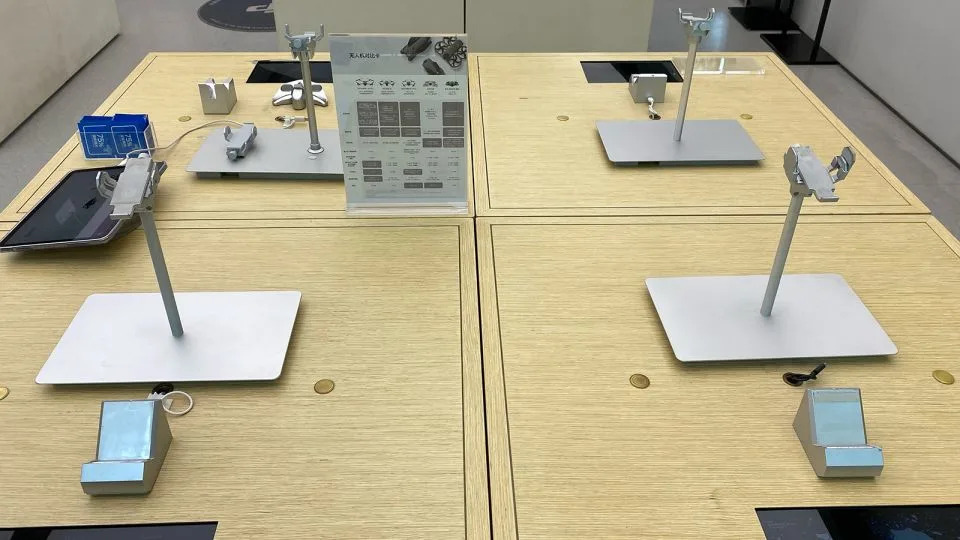
Empty display stands for drones are seen at a DJI store in Beijing on April 30, 2026. - CNN
Wider Impact On Hobbyists, Travelers And Industry
The crackdown has left hobbyists frustrated and confused about implementation details, including how the rules apply to international visitors carrying drones in checked luggage. University student Steven Wang said he now stores his three drones in neighboring Hebei province and must apply for permission for each flight — a process he described as time-consuming and increasingly opaque.
China’s drone industry is a global force: DJI held about 70% of the worldwide consumer market last year, and officially registered drones in China surpassed three million by the end of 2025. Domestic restrictions will add to existing headwinds for companies like DJI, which faces export controls abroad; the U.S. ban on new DJI imports announced in December is projected to cost the company roughly $1.5 billion in 2026, according to a company court filing.
Regulatory Tightening Continues
National rules already require real-name registration for operators and stricter flight approvals. New civil aviation regulations due in July will require makers, importers, operators and service providers to obtain airworthiness certification — a change described by industry researchers as the most consequential regulatory shift since the sector’s emergence.
"As a resident of the capital, I understand the importance of Beijing as the country’s political center," said one buyer who supported the tighter rules despite the disruption.
As Beijing moves to clamp down on low-altitude airspace, the balance between public safety, commercial opportunity and hobbyist freedoms will be watched closely by regulators, industry and enthusiasts at home and abroad.
Sources: On-the-ground reporting from Beijing, statements from municipal authorities, industry filings and public regulatory announcements.
Help us improve.