Researchers at the University of Bradford used facial-recognition software on digitised Hans Holbein drawings and identified a sketch catalogued as an "unidentified woman" that clusters with portraits of Anne Boleyn's relatives and her daughter Elizabeth. The Royal Collection Trust did not take part in the study and does not endorse the conclusions. Art historians have criticised the methodology and interpretation, while the team says the approach is repeatable and could complement traditional attribution methods. The claim remains contested and unresolved.
Did Facial Recognition Reveal Anne Boleyn's True Face? New Study Reignites Debate
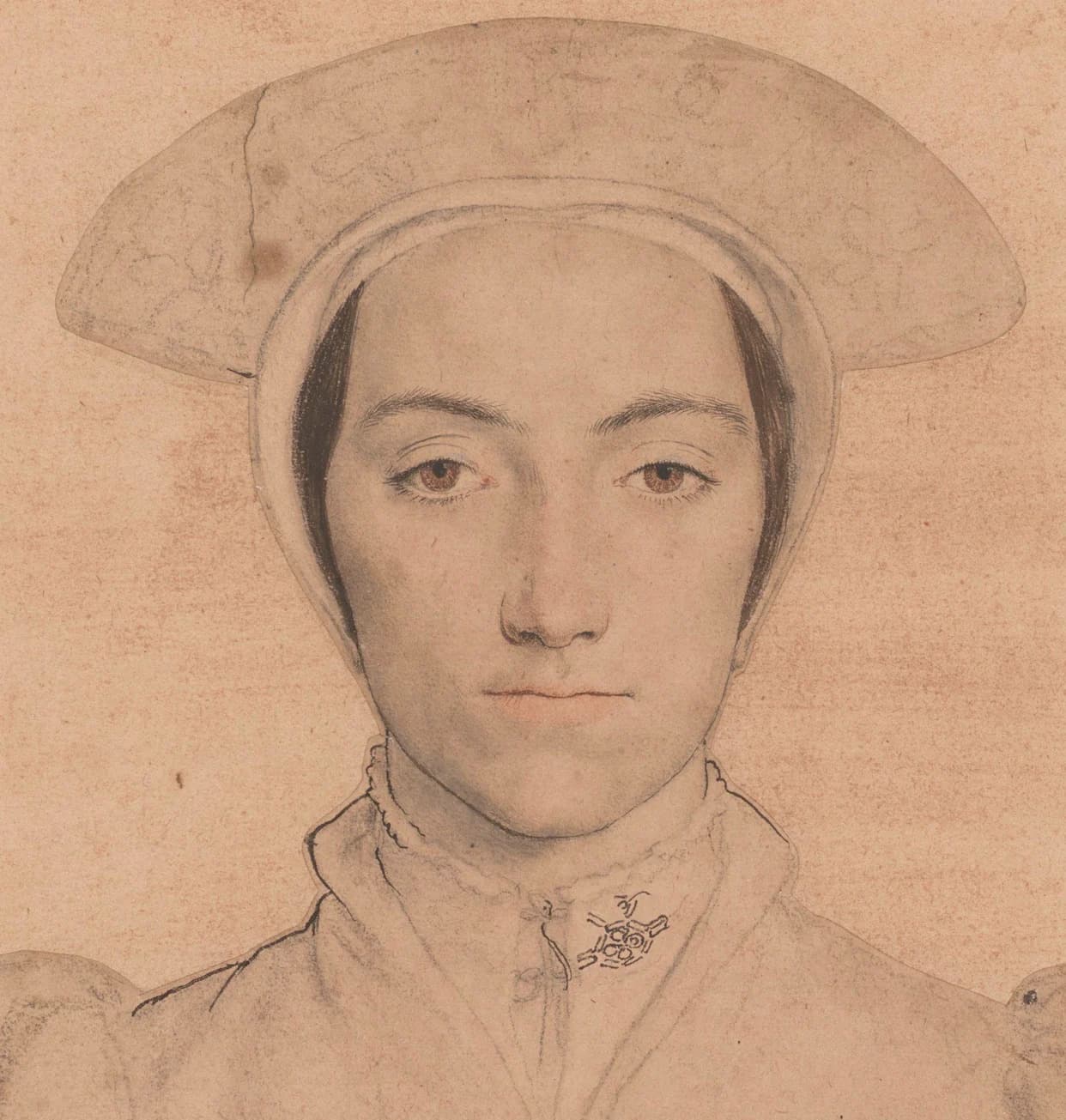
A computer science team believe this unidentified woman could in fact be Anne Boleyn [Royal Collection Enterprises Limited 2026 | Royal Collection Trust]
Anne Boleyn—Henry VIII’s second wife, mother of Elizabeth I and a central figure in Tudor drama—remains visually elusive because no undisputed lifetime painted portrait survives. A team at the University of Bradford has applied facial-recognition algorithms to digitised drawings by Hans Holbein the Younger and claims to have identified a sketch long catalogued as an "unidentified woman" that clusters with portraits of Boleyn’s relatives and her daughter Elizabeth.
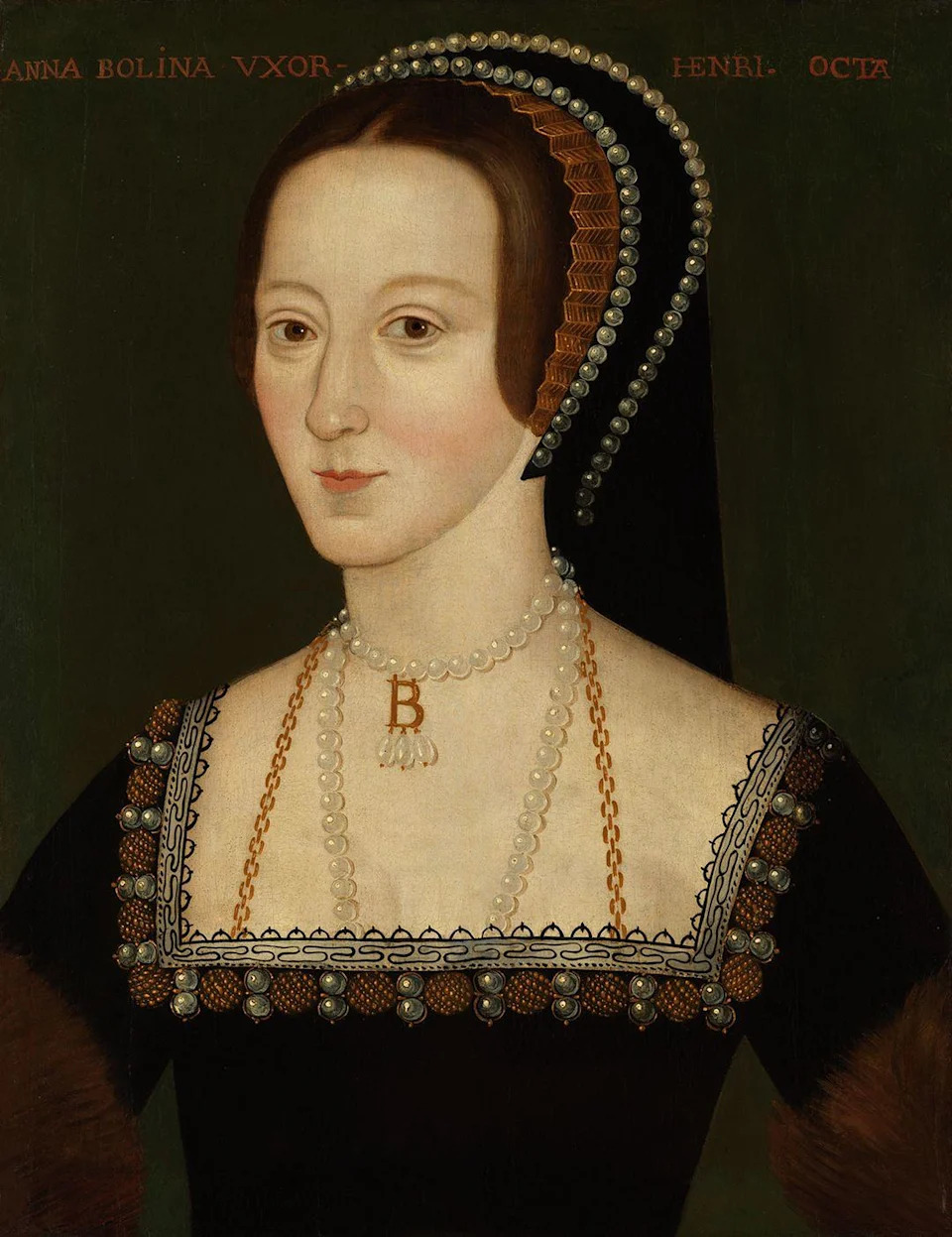
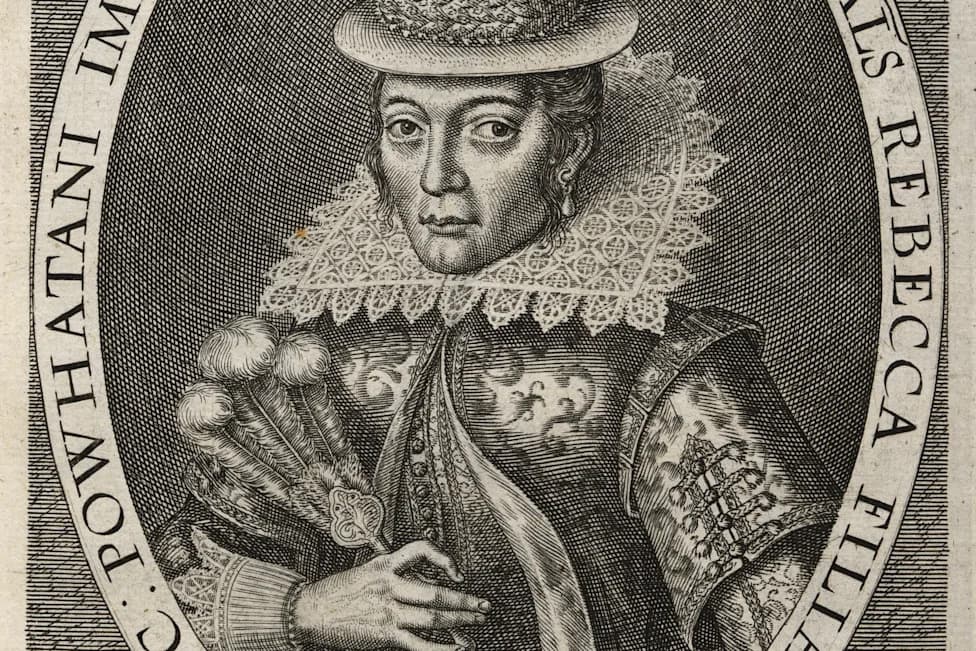
An Elizabethan portrait of Boleyn [National Portrait Gallery, London]
What The Researchers Did
Professor Hassan Ugail and colleagues digitised the Royal Collection Trust’s Holbein drawings and ran machine-learned comparisons of key facial features across the set. The algorithm produces numerical "clustering" scores indicating how closely two faces resemble each other; the team used these scores to search for patterns of familial similarity and possible matches to Anne Boleyn.
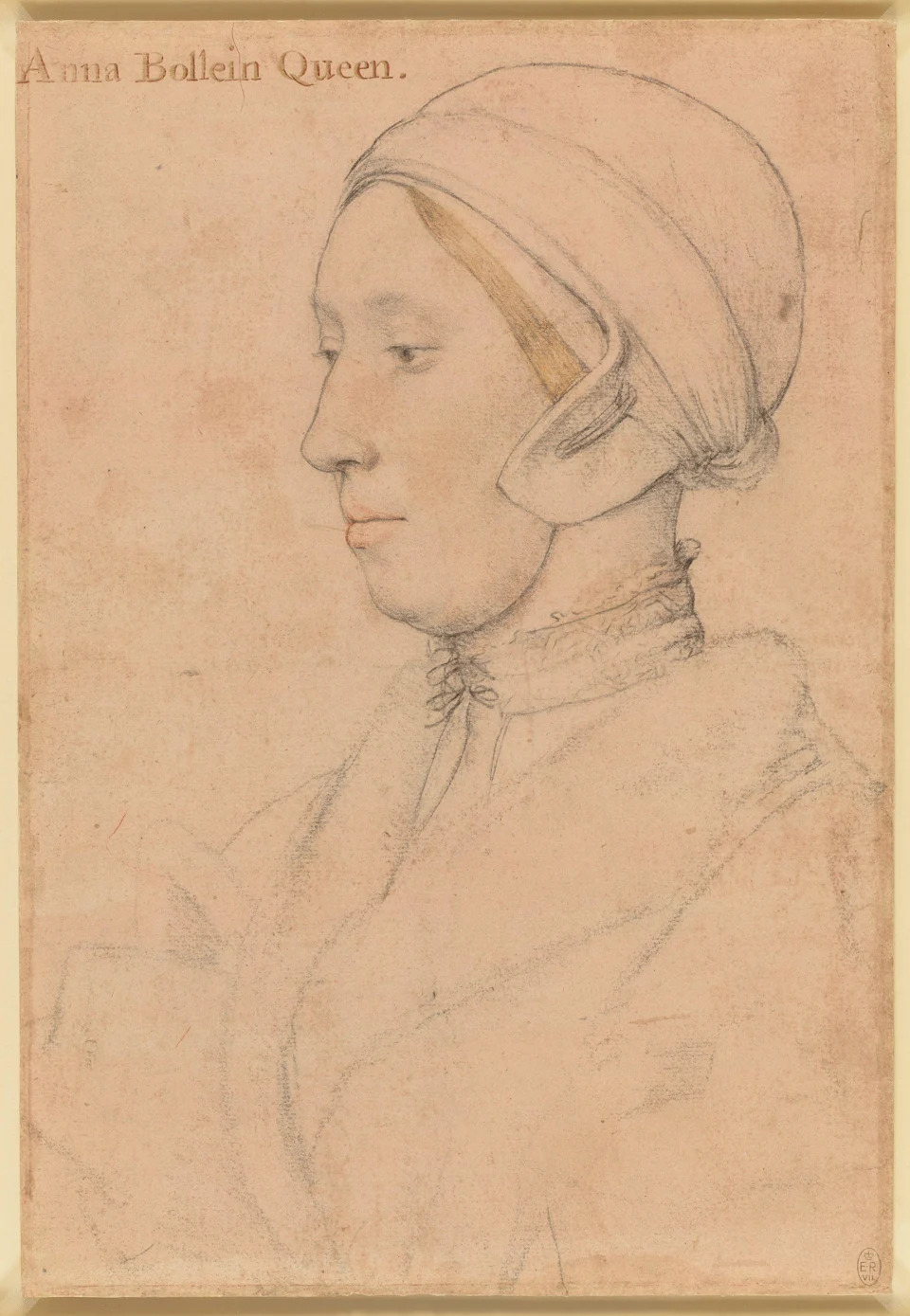
The computer science team believe this sketch was mislabelled and that this portrait actually depicts Anne Boleyn's mother, Elizabeth née Howard [Royal Collection Enterprises Limited 2026 | Royal Collection Trust]
What They Found
According to the Bradford team, the system flagged a drawing listed as an "unidentified woman" as clustering with portraits of known relatives and with a likeness identified as Elizabeth I. Lead author Karen Davies—who has combined paid work with independent historical research—says the result was "astonishing" and suggests the sketch could be a contemporaneous likeness of Boleyn that has been overlooked.
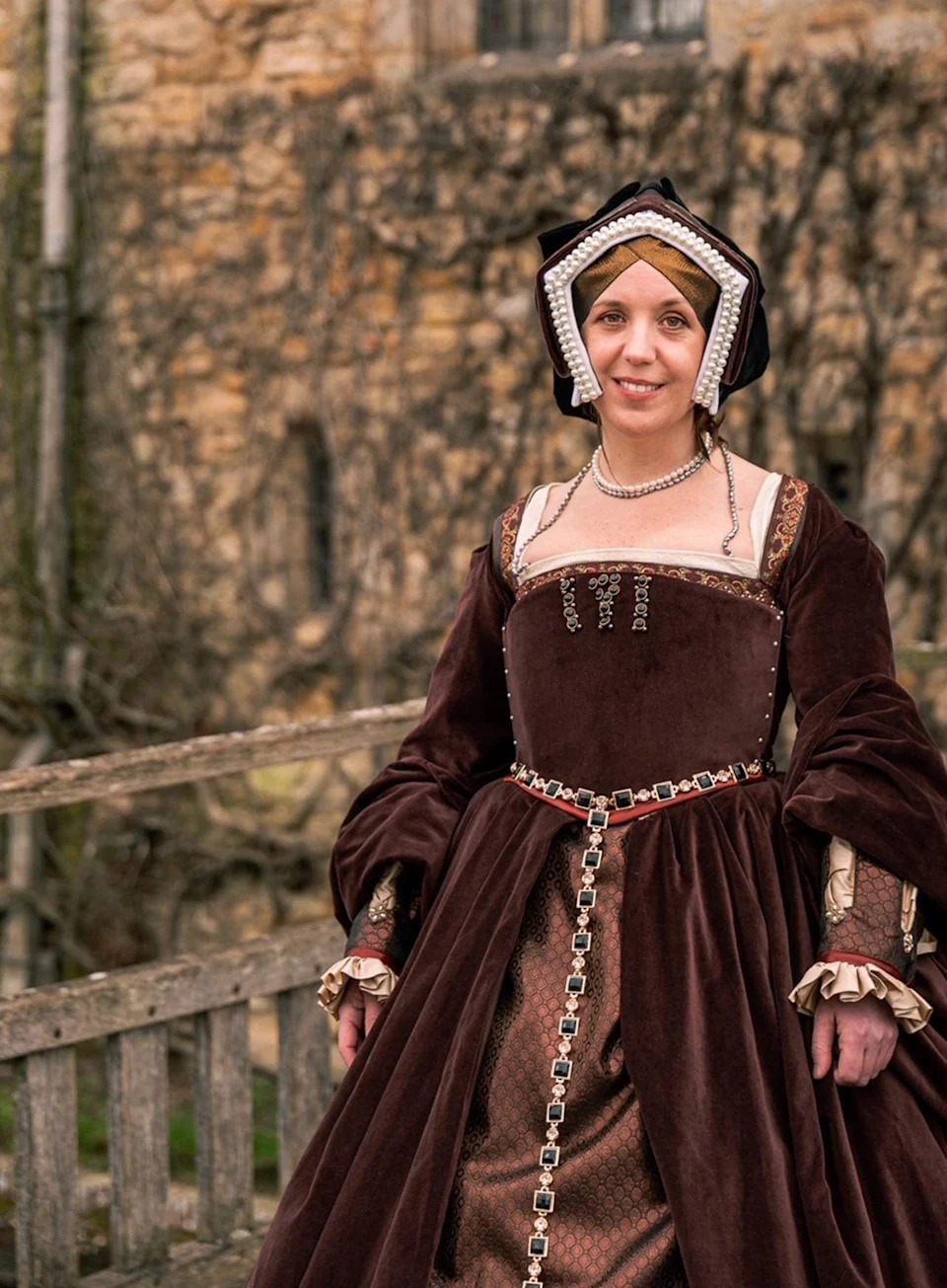
Karen Davies co-authored the research and has been fascinated with Boleyn ever since she was a child [Karen Davies]
Expert Reaction And Key Caveats
The Royal Collection Trust, which owns the Holbein drawings, did not participate in and does not endorse the study, though it welcomes academic inquiry into its holdings. The research has been peer reviewed, but several prominent art historians have criticised the approach.
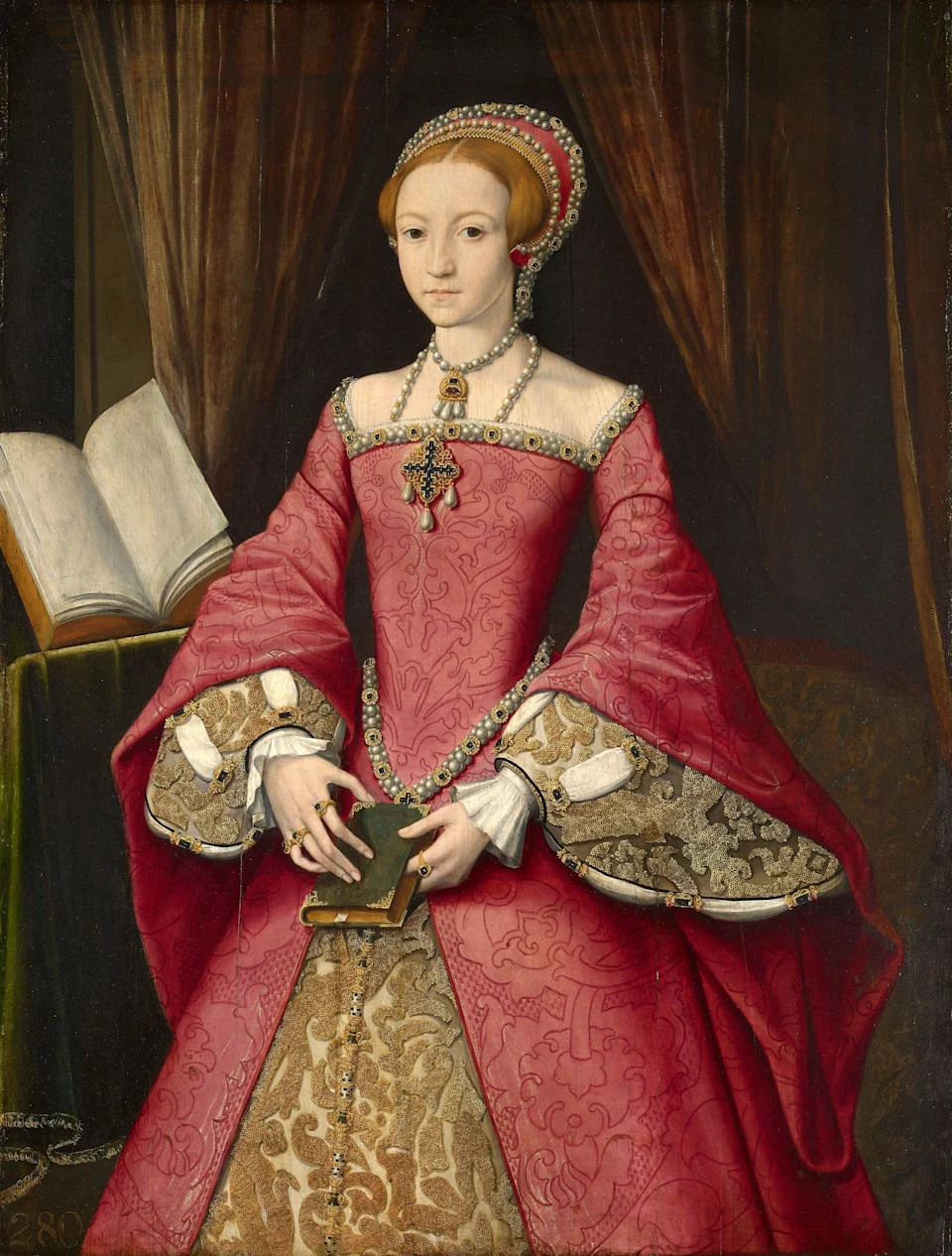
A digital copy of a painting of Anne Boleyn's daughter, a young Elizabeth I - on display at Windsor Castle - was run through the algorithm to work out family ties [Royal Collection Enterprises Limited 2026 | Royal Collection Trust]
"We don't have a lifetime painted portrait of her that's absolutely secure," says Dr Charlotte Bolland of the National Portrait Gallery, noting the limits of available reference material for a firm identification.
Dr Bendor Grosvenor called the methodology "flawed" and warned that centuries-old drawings are not the same kind of data as modern photographs for facial-recognition systems.
The team acknowledges uncertainties: labels on Holbein drawings were sometimes added later, pigments and surface wear can alter appearance, and family resemblance is not definitive proof of identity. The Bradford researchers say their method is repeatable and could complement traditional connoisseurship, not replace it.
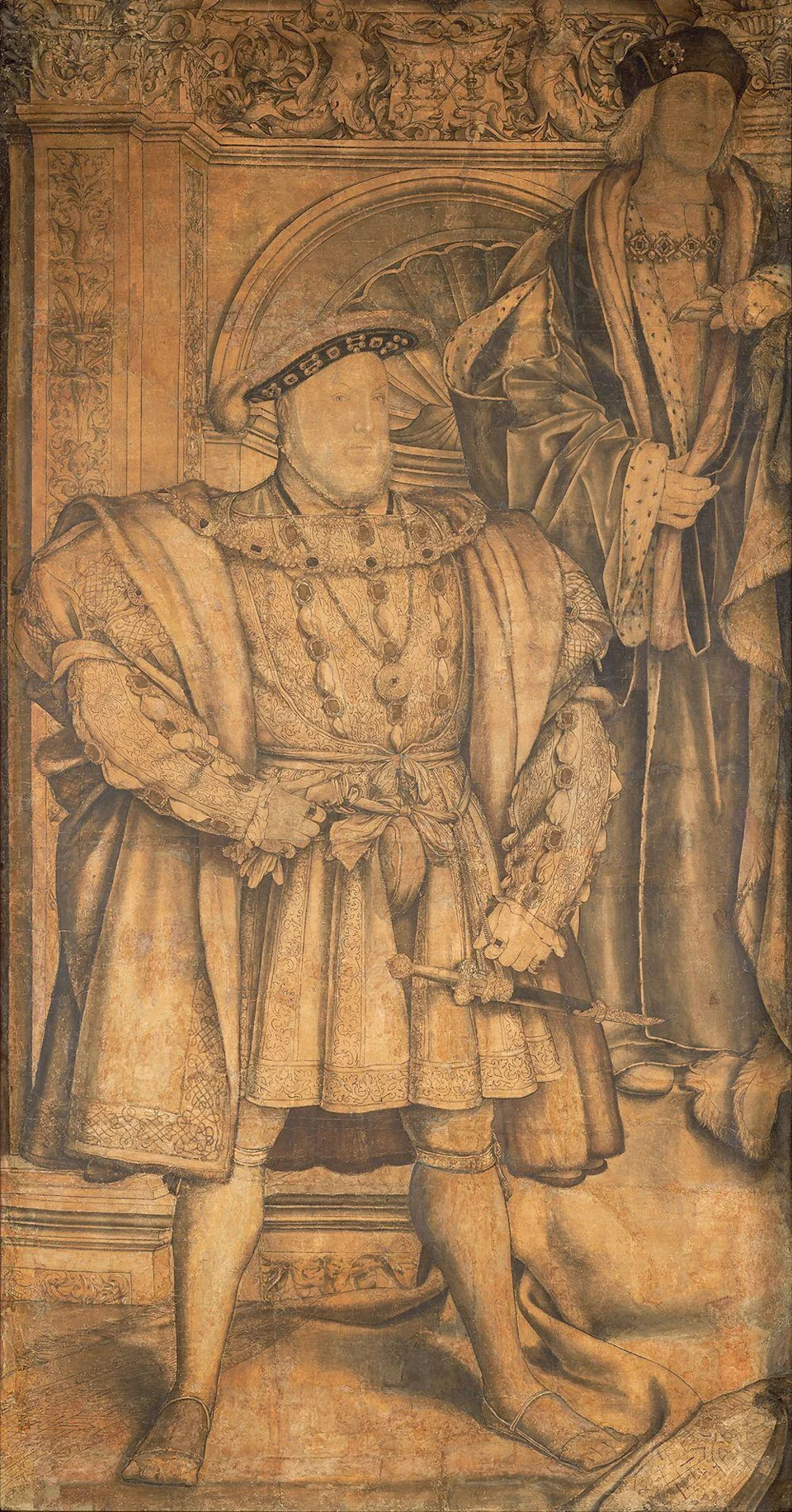
A preparatory drawing of King Henry VIII by Hans Holbein the Younger. The former monarch divorced his first wife Catherine of Aragon to marry Anne Boleyn [National Portrait Gallery, London]
Why This Matters
The study highlights both the promise and limits of applying computational tools to art history. It provokes questions about objectivity, provenance and how new technologies should be integrated with archival research and expert judgement. For many, the emotional and historical fascination with Anne Boleyn means any credible new evidence—digital or archival—will attract scrutiny.
Conclusion
The claim that facial recognition has uncovered Anne Boleyn’s likeness remains contested. The Bradford team’s findings open a fresh line of inquiry but do not settle the debate: further study, including engagement with custodians and art-historical methods, will be needed to test the idea more robustly.
Help us improve.