Scott Naso, a widowed Middletown narcotics detective, has filed an appeal after a Rhode Island judge dismissed a petition by his late wife’s parents seeking visitation with their 4‑year‑old granddaughter and simultaneously fined Naso $2,500 and held him in contempt of court.
Judge Felix Gill rejected the grandparents’ request for court‑ordered visitation but criticized aspects of Naso’s testimony, concluding that Naso was not fully credible in some respects and suggesting that contact with the maternal grandparents could be in the child’s best interest. Naso’s attorney, Veronica Assalone, says the judge erred by refusing to require the grandparents — Siavash Ghoreishi and Jila Khorsand — to reimburse her client for legal costs.
Legal And Personal Background
Naso says he has accrued more than $500,000 in legal fees and related expenses since the grandparents’ case began in October 2025. Those fees stem from an acrimonious legal fight that intensified after the April 2024 death of his wife, Shahrzad “Sherry” Naso, following a years‑long battle with cancer.
The dispute has included serious allegations. In January 2025, Naso filed a complaint with the Rhode Island Department of Health accusing Ghoreishi and Khorsand — both practicing physicians — of conduct consistent with factitious disorder imposed on another (formerly referred to as Munchausen syndrome by proxy) with respect to both Sherry and their daughter, Laila. The grandparents have denied wrongdoing and have not been criminally charged.
Trial Findings And Contempt Ruling
Gill dismissed the grandparents’ petition for visitation and said courts should generally defer to a fit custodial parent’s judgment about visitation. At the same time, he admonished Naso for stopping temporary supervised visits in January 2025 — visits that a prior judge had allowed for one hour every other week — and found Naso in contempt for ending that contact.
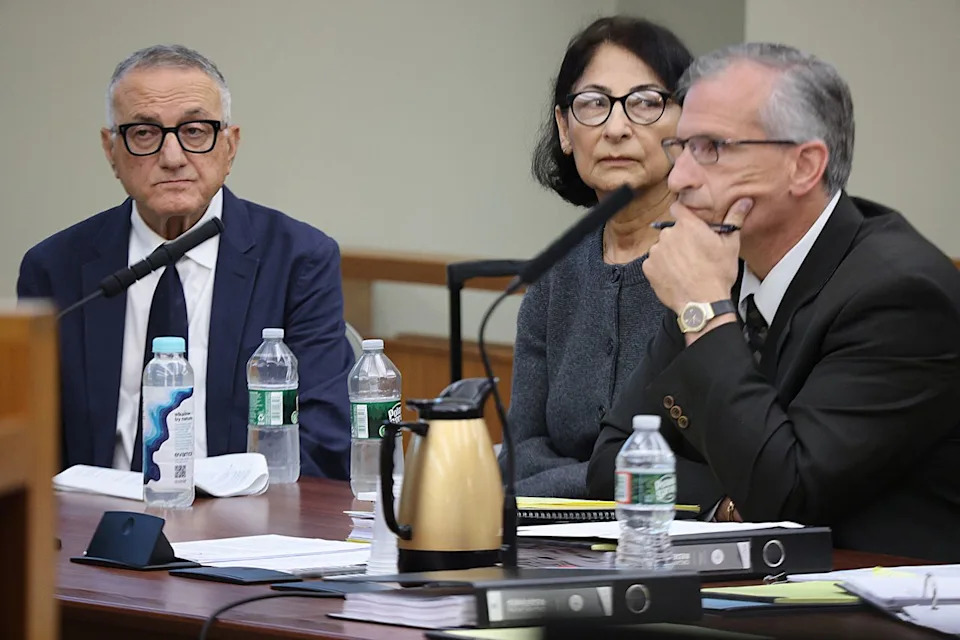
From left: Drs. Siavash Ghoreishi and Jila Khorsand in courtCredit: Suzanne Kreiter/The Boston Globe via Getty
“I have to give deference to a fit and proper custodial parent to refuse visitation,” the judge said while also noting credibility concerns about aspects of Naso’s testimony.
Testimony in the case included disputed medical and billing records. Naso’s attorney pointed to records indicating Ghoreishi wrote 36 prescriptions for Laila before her third birthday and billed insurers for dozens of office and after‑hours visits. Assalone said Laila has not been sick or taken prescribed medication since she ceased spending time in her grandparents’ care.
Next Steps
Assalone says she will appeal Gill’s contempt finding and the refusal to award attorney fees, and she has signaled plans to challenge the constitutionality of Rhode Island’s grandparents’ visitation statute. She said she may ultimately seek review by higher courts, including the U.S. Supreme Court, if necessary.
The appeal process will take time: Assalone must wait for the court stenographer’s transcript of Gill’s decision, prepare a summary, obtain opposing counsel’s approval, and secure the judge’s signature on the record before filing.
It is not yet known whether Ghoreishi and Khorsand will appeal the dismissal of their petition. Their attorney, Michael Ahn, did not respond to requests for comment and advised his clients not to speak with the media. Judge Gill also did not respond to requests for comment.
Naso says he will continue fighting what he calls a broken judicial system that can exhaust people financially and emotionally. His attorney hopes a higher court will reconsider the scope and constitutionality of the state’s grandparents’ visitation law so that parents’ rights are better protected going forward.