The Hayward Fault, which runs about 74 miles through the East Bay, is overdue for a major quake; its last major rupture occurred in 1868. LLNL and LBNL simulated 50 earthquake scenarios to map expected ground shaking and identify vulnerable neighborhoods. The USGS HayWired Scenario estimates a magnitude 7.0 under Oakland could kill up to 800 people and injure about 18,000. The study highlights risks from directional pulses and basin amplification and aims to guide retrofitting and emergency planning.
Hayward Fault Overdue — Bay Area Could Face Catastrophic Damage from a M7.0 Quake

One of the most dangerous fault line in the US is overdue and the impacts could be catastrophic
The Hayward Fault, part of the San Andreas fault system, is one of the most hazardous and overdue faults in the United States. Cutting roughly 74 miles through California's densely populated East Bay, the fault passes beneath cities including Oakland, Berkeley, Hayward, Fremont, San Leandro, Richmond, El Cerrito and Milpitas — placing millions of residents and critical infrastructure at risk.
New Simulations Map the Threat
Researchers at Lawrence Livermore National Laboratory (LLNL) and Lawrence Berkeley National Laboratory (LBNL) modeled 50 plausible earthquake scenarios on the Hayward Fault to build a detailed ground-motion database. The goal: produce realistic shaking estimates across neighborhoods and identify areas likely to experience the strongest, longest-lasting ground motion so engineers and planners can prioritize retrofits and preparedness.
"We are interested in learning what the ground motion for a typical magnitude 7 earthquake in the Bay Area could be, so that we can work with engineers to make sure that the infrastructure and buildings in the Bay Area can withstand this motion," said LLNL scientist Arben Pitarka. "With that information, we can also start preparations for retrofitting some of the vulnerable structures."
Potential Human and Infrastructure Toll
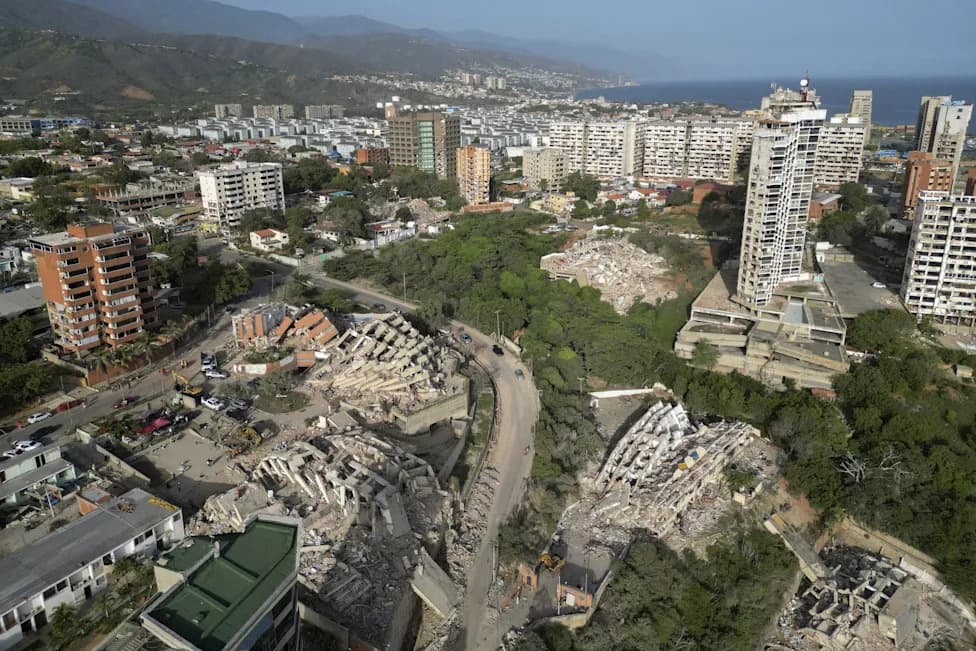
The U.S. Geological Survey’s HayWired Scenario estimates that a magnitude 7.0 earthquake under Oakland could result in as many as 800 fatalities and roughly 18,000 injuries. The scenario highlights how ground conditions — including directional pulses and basin amplification — can produce especially strong and prolonged shaking that disproportionately threatens flexible buildings and communities built on sedimentary basins.
Why the Hayward Fault Is Considered Overdue
Historical records and paleoseismic studies show that the last major rupture on the Hayward Fault occurred in 1868. The five most recent large events on the fault averaged about 140 years between ruptures — a recurrence interval the Bay Area has now exceeded. The USGS places the chance of a magnitude 6.7 or larger event on the Hayward Fault at about 14.3% by 2034 and roughly 33% before 2043.
Next Steps and Broader Planning
Beyond informing building retrofits, the LLNL/LBNL simulations aim to improve ground-motion prediction and seismic-hazard analysis across the region. Researchers plan to expand these efforts to the San Andreas Fault system, which is capable of producing magnitude 7.5 and larger earthquakes, to guide preparedness and infrastructure resilience planning throughout Northern California.
What residents can do: update emergency kits, secure heavy furniture, know safe spots in your home, and follow local retrofitting and evacuation guidance. Detailed hazard maps and scenario planning provide communities and officials with the information needed to reduce risk before the next major quake.
Help us improve.