Penn State researchers captured 952 corona discharge events — faint ultraviolet glows above treetops — during a 2024 thunderstorm near UNC Pembroke, marking the first field confirmation of the phenomenon. Using high-speed cameras and UV-sensitive detectors, the team published the findings in Geophysical Research Letters. The ultraviolet emissions can create hydroxyl radicals, which may help break down methane and volatile organic compounds and influence forest air chemistry and tree health.
Scientists Filmed Trees Glowing During Storms — First Field Confirmation of Corona Discharges
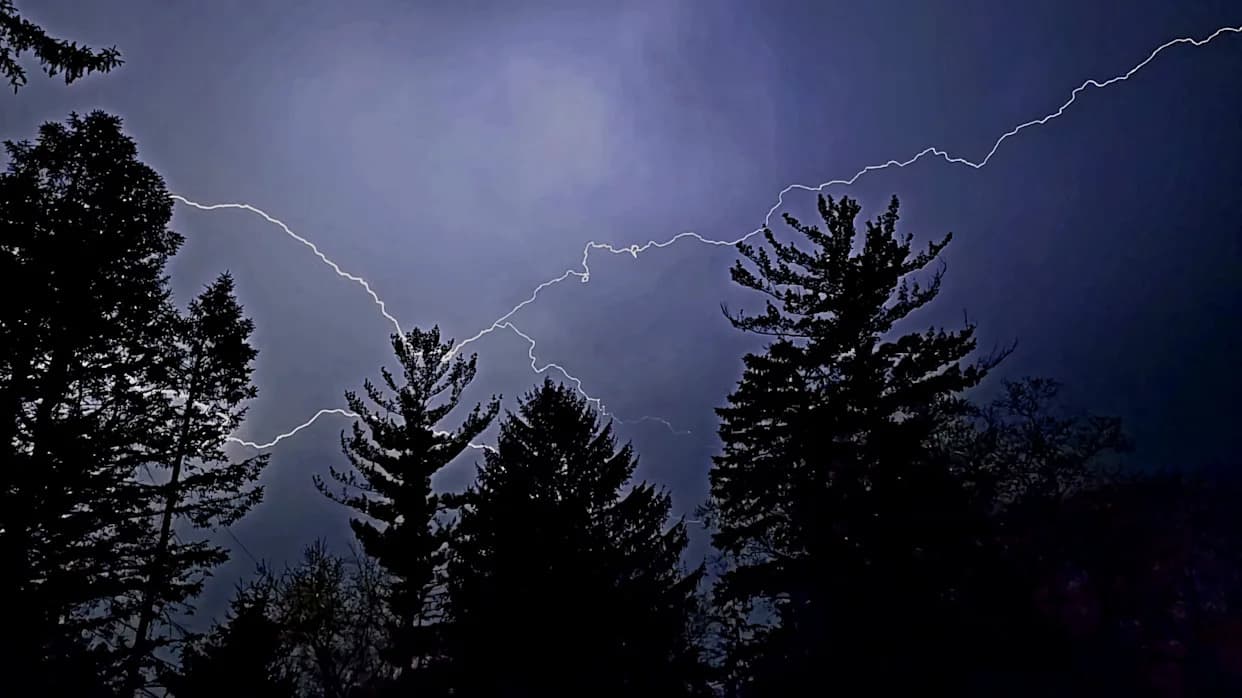
Photo Credit: iStock
Penn State researchers have, for the first time outside the laboratory, captured faint ultraviolet glows above treetops during thunderstorms — a weather phenomenon known as corona discharges. The team recorded 952 corona events concentrated on two trees during a 2024 storm stop near the University of North Carolina at Pembroke and published their findings in Geophysical Research Letters.
How the Discovery Happened
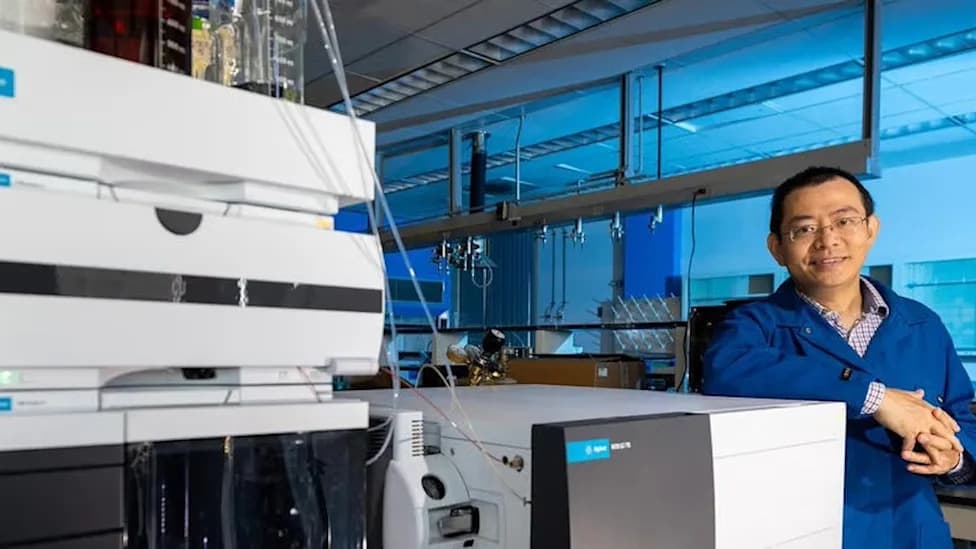
The researchers initially traveled to Florida in 2024 because of its frequent summer storms, hoping to confirm long-standing suspicions about treetop emissions. After weather proved uncooperative, a chance thunderstorm on the return trip produced the breakthrough. Pulling off near UNC Pembroke, the team used high-speed cameras and ultraviolet-sensitive detectors to capture hundreds of faint flashes above tree canopies.
What Corona Discharges Are
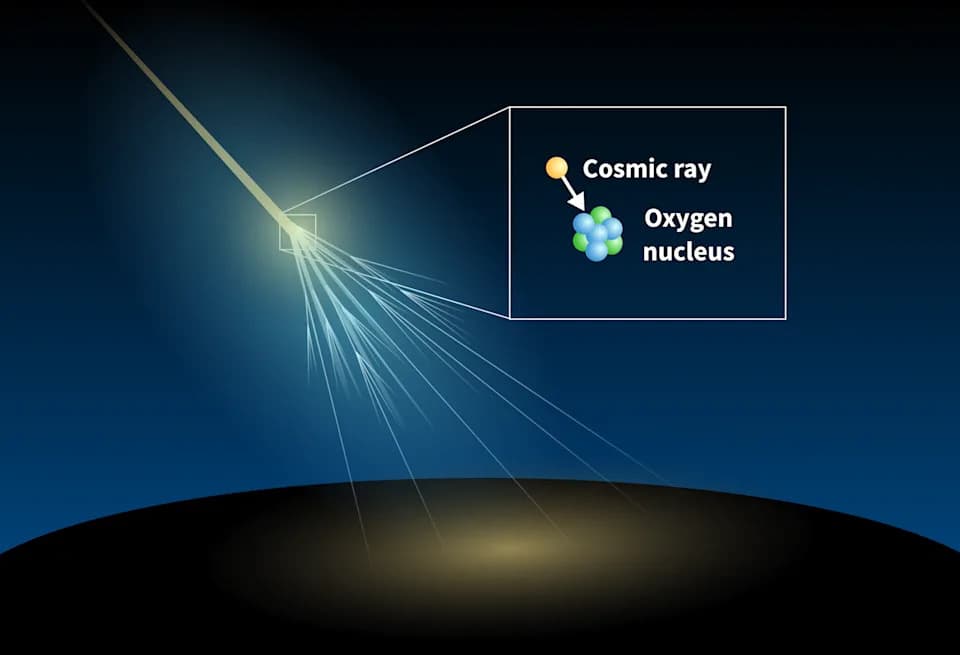
Corona discharges occur when strong negative charges build in storm clouds and are attracted to positive charges on the ground. That charge concentration intensifies at pointed surfaces such as treetops, producing weak ultraviolet and slight visible light emissions. "It's nearly invisible to the naked eye, but our instruments give rise to a vision of swaths of scintillating corona glowing as thunderstorms pass overhead," said lead author Patrick McFarland.
Why It Matters
Beyond the striking visuals, corona discharges may have real atmospheric and ecological effects. The ultraviolet emissions can generate hydroxyl radicals — the atmosphere's primary oxidizer — which help break down volatile organic compounds (VOCs) and methane emitted by both human activity and vegetation. This suggests localized corona activity could influence air chemistry, reduce some pollutants in forested regions, and potentially cause subtle leaf damage or other biological effects.
"Such widespread coronae have implications for the removal of hydrocarbons emitted by trees, subtle tree leaf damage, and could have broader implications for the health of trees, forests, and the atmosphere," McFarland noted.
Next Steps
Having demonstrated that corona discharges occur in the field, the researchers plan follow-up studies to quantify how frequently they occur, how widely they are distributed across different tree species and forest types, and what net effect they have on atmospheric chemistry and tree health.
Key details: 952 recorded events, concentrated on two specimen trees; instruments included high-speed cameras and UV-sensitive detectors; study published in Geophysical Research Letters; data collected in 2024 near UNC Pembroke.
Help us improve.