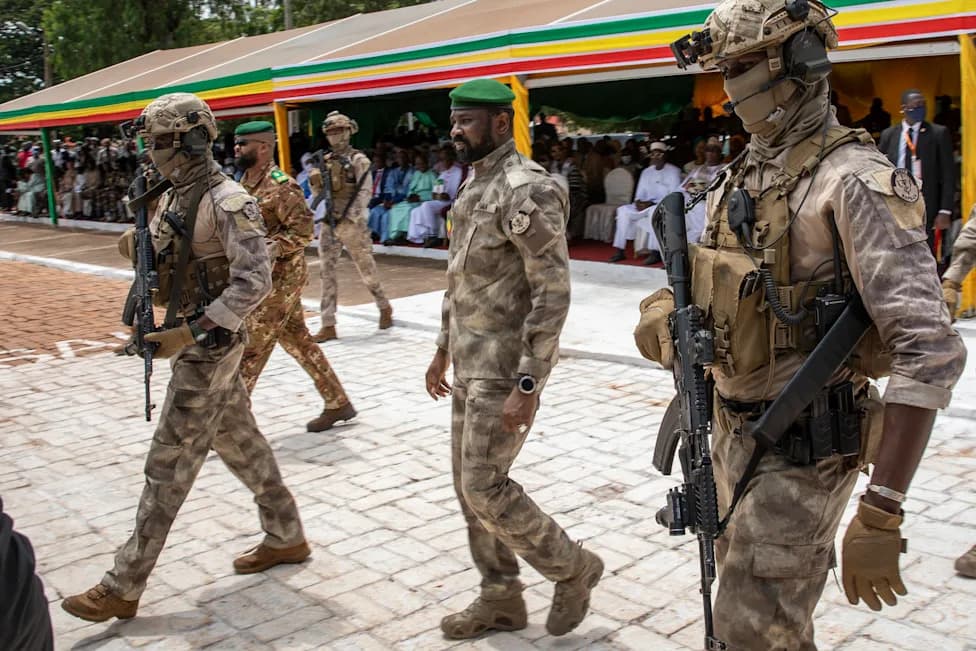
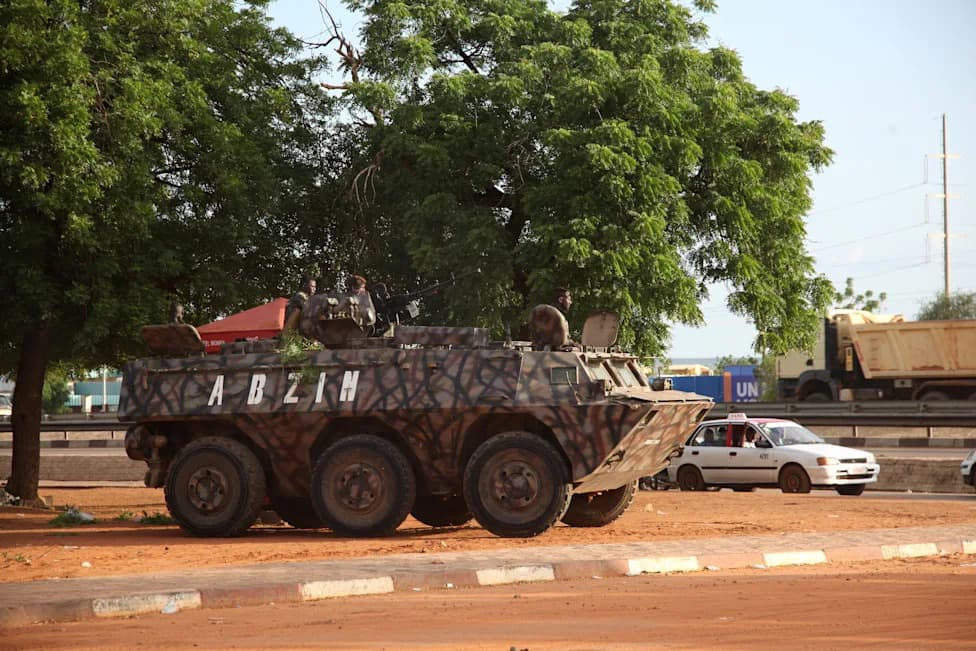
Overview: Coordinated attacks by an al‑Qaeda‑linked group and Tuareg separatists captured Kidal and struck military bases; Defence Minister Sadio Camara was killed in Kati. Colonel Assimi Goïta leads a military government that has pivoted away from France and ECOWAS and relies heavily on Russia‑linked forces. JNIM, ISSP and the FLA control territory across northern and central Mali, and the involvement of foreign mercenaries has further complicated prospects for peace.
Mali Crisis Escalates: Who’s Who Among Military, Jihadist and Tuareg Leaders
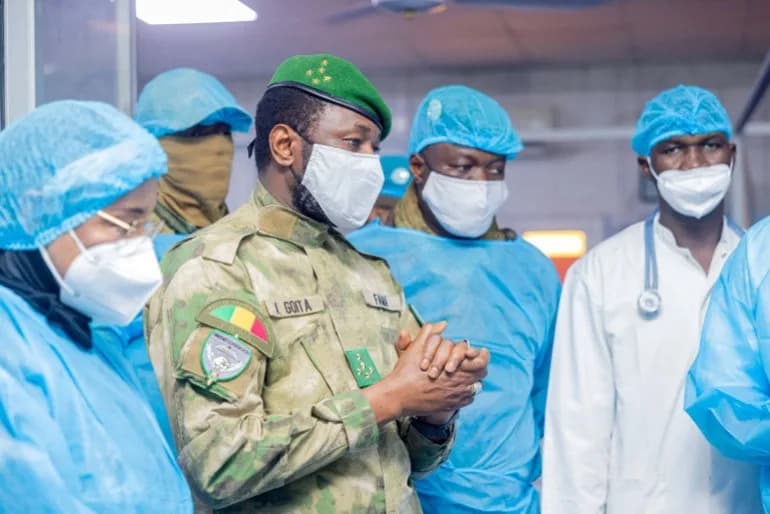
Assimi Goita visits wounded civilians and military personnel in Bamako, Mali [Handout/Mali Presidency via Reuters]
Armed violence in Mali intensified after coordinated attacks by an al‑Qaeda‑linked militant group and Tuareg separatists seized the northern city of Kidal and struck multiple military bases. The government said Defence Minister Sadio Camara and members of his family were killed at his home in Kati, a military garrison town near the capital, Bamako. Armed factions have claimed they are laying siege to Bamako, marking a sharp escalation in a conflict that has simmered since 2012.
Why This Matters
The fighting highlights a complex web of actors: jihadist groups, Tuareg separatists, the Malian military leadership and foreign mercenaries. These alliances and rivalries have repeatedly reshaped the map of northern and central Mali and undermined efforts to restore security and governance.
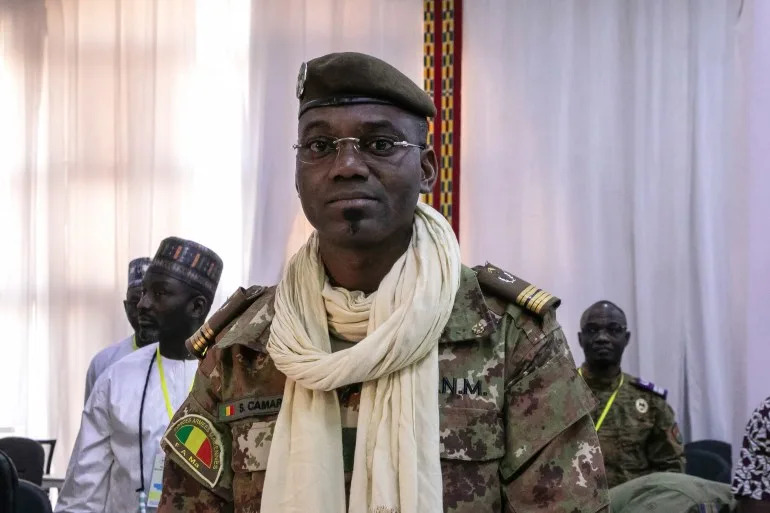
Colonel Sadio Camara at an Alliance of Sahel States meeting in Ouagadougou, Burkina Faso, on February 15, 2024 [Fanny Naoro-Kabr/AFP]
Key Factions On The Ground
JNIM (Jama'at Nusrat al‑Islam wal‑Muslimin) — An al‑Qaeda‑linked coalition that controls large swathes of rural north and central Mali and maintains active cells near urban centres. Analysts estimate its manpower in the thousands, though figures vary by source.
ISSP (Islamic State in the Sahel Province) — The ISIL affiliate operating mainly in the Menaka area of the northeast; it holds local territory and conducts asymmetric attacks.
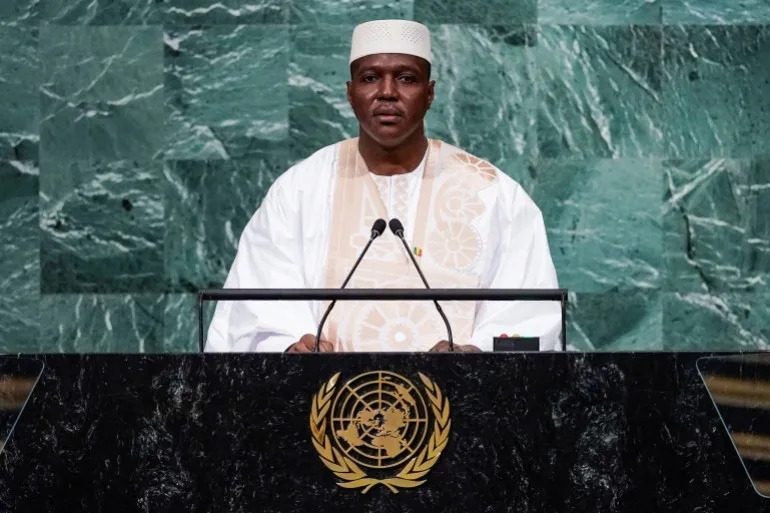
Mali’s Prime Minister Abdoulaye Maiga addressed the 77th session of the UN General Assembly [File: Eduardo Munoz/Reuters]
FLA (Liberation Front for Azawad) — A renewed Tuareg separatist coalition formed from earlier movements, the FLA seeks independence for a self‑declared Azawad in northern Mali. It now controls Kidal jointly with JNIM and aims to extend influence over Gao, Menaka and Timbuktu.
Russia‑linked Forces (Africa Corps) — Since 2021 Mali has opened its security partnership with Russian contractors originally linked to the Wagner Group. After organizational changes in Moscow, many of these fighters are now described as part of an Africa Corps under the Russian Defence Ministry. Estimates suggest around 2,000 Russian personnel in Mali and several hundred in neighbouring military‑led states.
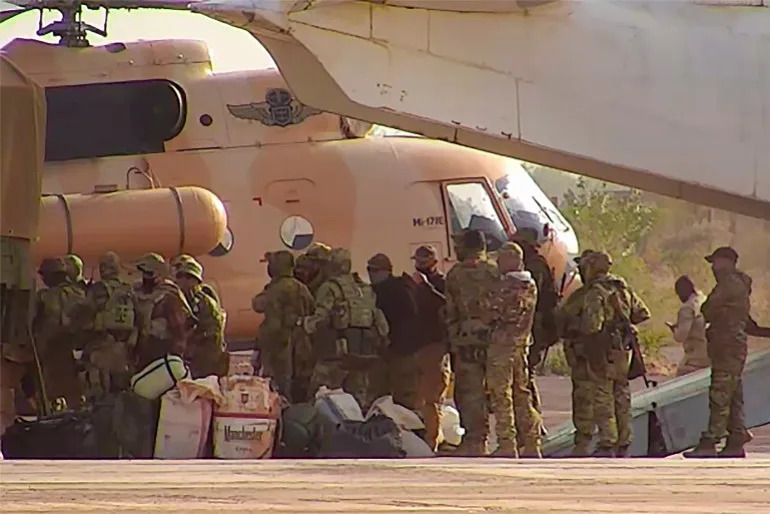
Russian mercenaries boarding a helicopter in northern Mali [File: French Army via AP]
Main Figures To Know
Assimi Goïta — De Facto Head Of State
Colonel Assimi Goïta, 42, led two coups (2020 and 2021) that removed civilian authorities and consolidated military rule. He has promised elections but progress has stalled. Under his stewardship, Mali has distanced itself from ECOWAS, expelled French troops, reduced UN peacekeeping presence and deepened security ties with Russian forces.
Sadio Camara — Killed Defence Minister
General Sadio Camara, 47, was a central figure in the post‑2020 military leadership and the architect of Mali’s security partnership with Russia. The government reported he and family members were killed at his Kati residence. Mali declared two days of mourning following his death.
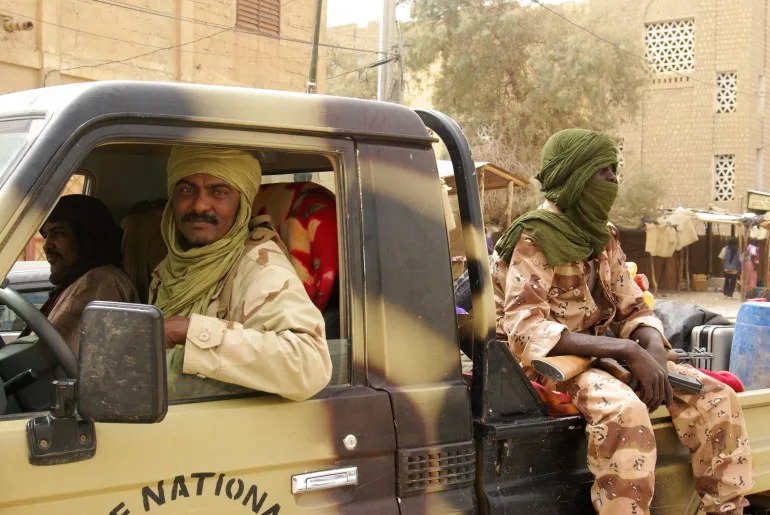
Tuareg fighters from the National Movement for the Liberation of the Azawad in a market in Timbuktu, Mali, on April 14, 2012 [AP Photo]
Abdoulaye Maïga — Prime Minister
Lieutenant‑Colonel Abdoulaye Maïga, 44, has served as prime minister since 2022. A close Goïta ally with a background in diplomacy and international organisations, Maïga is seen as a key voice behind Mali’s pivot away from France and regional institutions.
Major‑General Andrey Averyanov & Major‑General Vladimir Selivyorstov — Russian Commanders
Russian field commanders remain opaque. Andrey Averyanov is reported in some analyses as a senior intelligence officer linked to Africa Corps operations across the region, though unconfirmed reports in April suggested he may have been killed in a strike at sea. Vladimir Selivyorstov, reported to be in his early 50s and formerly of the Russian air forces, has been named in some sources as an Africa Corps commander in Mali. Independent verification of roles and movements is limited.
Alghabass Ag Intalla & Bilal Ag Cherif — Tuareg Separatist Leaders
Alghabass Ag Intalla, 54, hails from a notable Tuareg family in Kidal and leads the FLA. Bilal Ag Cherif, 49, is a long‑time separatist figure who led the MNLA during the 2012 uprising and has been active in negotiations and refugee return campaigns. Both have local legitimacy in parts of the north.
Iyad Ag Ghaly & Amadou Khoufa — JNIM Command
Iyad Ag Ghaly, about 72, is the founder and leader of JNIM, an ideological and operational force that emerged from earlier groups including Ansar Dine. Amadou Khoufa (born Amadou Diallo) is a senior deputy who founded Katiba Macina and appeals to grievances among Fulani communities; he is a prominent battlefield and ideological figure within JNIM.
Abu al‑Bara al‑Sahrawi — ISSP Local Leader
Little definitive public information exists about Abu al‑Bara al‑Sahrawi, who is reported to lead the ISSP in some areas. He is the son of Adnan Abu Walid al‑Sahrawi, an ISIL‑aligned commander killed by French forces in 2021.
What To Watch Next
The conflict’s trajectory depends on whether Mali’s military can reassert control around Bamako, whether foreign mercenary involvement grows, and how separatist and jihadist alliances evolve. Humanitarian needs and displacement are likely to rise if violence spreads further.
Note: Many details—especially about foreign mercenary command structures and fighter numbers—are based on open‑source estimates and some unconfirmed reports. Where possible, this article flags unverified claims.
Help us improve.