Kim Jong Un publicly praised soldiers who reportedly killed themselves to avoid capture, endorsing a long-suspected battlefield doctrine. The new memorial lists 2,288 names, contains 271 graves and more than 1,700 columbarium niches, and displays captured NATO-origin equipment. Officials estimate over 10,000 North Korean troops were deployed to Russia’s Kursk region, raising urgent repatriation and human rights concerns for captured fighters.
Kim Jong Un Praises Soldier Suicides — Memorial Lays Bare North Korea’s Growing Role in Russia’s War
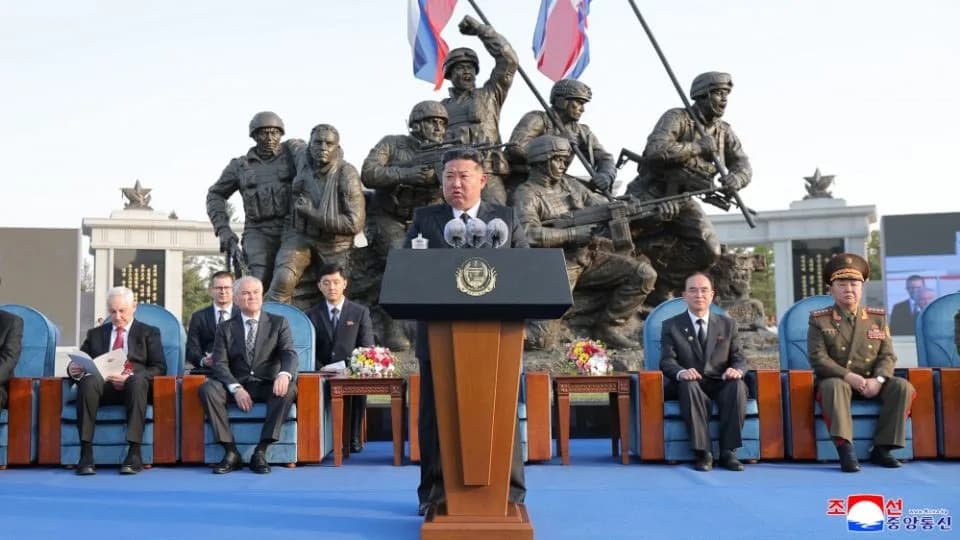
Kim spoke at the opening of a vast new memorial complex on the outskirts of Pyongyang. - KCNA
At the unveiling of a vast memorial complex outside Pyongyang, North Korean leader Kim Jong Un publicly praised soldiers who chose death over capture while fighting in Ukraine — an unusually explicit endorsement of a doctrine long reported by intelligence agencies and defectors.
According to a KCNA transcript of Kim’s remarks, he said those who 'unhesitatingly opted for self-blasting' and suicide attacks represented the highest form of loyalty, a likely reference to troops who reportedly threw themselves on grenades or detonated explosives to avoid being taken prisoner.
The leader walked among rows of newly laid graves, knelt to pour soil into an open burial plot and toured exhibits of remains, personal effects and captured military hardware. The site blends a cemetery and a museum: bronze statues, black marble walls engraved with names, 271 graves, and more than 1,700 columbarium compartments for cremated remains are on display.
Scale And Significance
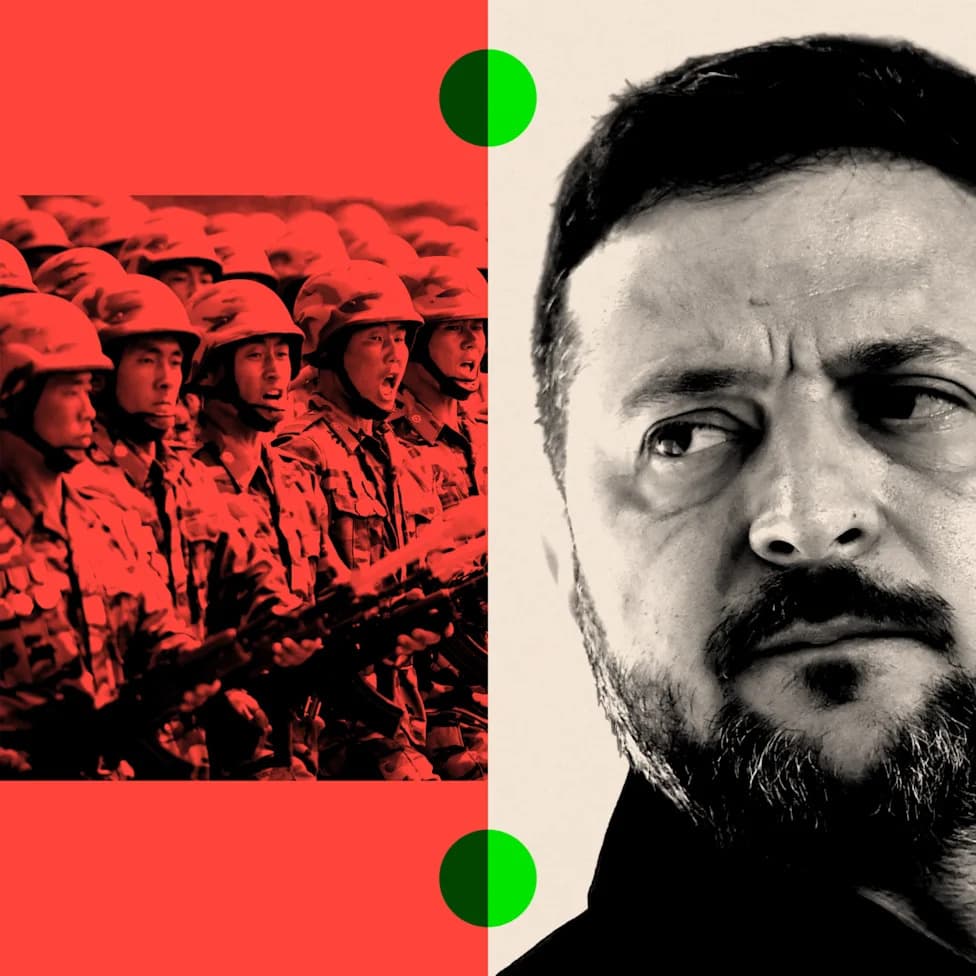
NK News analysis identified two black marble walls listing 2,288 names of soldiers believed to have died in combat. The complex was built with extra wall space and empty plots, indicating it is intended to receive additional burials in the future. South Korean and Western officials estimate that more than 10,000 North Korean troops were deployed to Russia’s Kursk region, with thousands reportedly killed or wounded — losses Pyongyang has not publicly acknowledged until now.
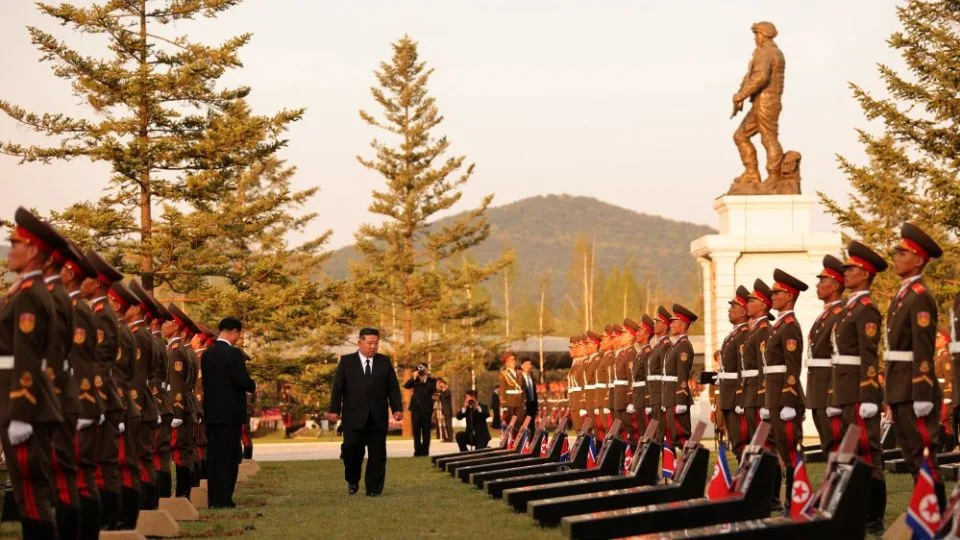
The new memorial offers one of the clearest indications yet of the scale of North Korea’s involvement in Russia’s war. - KCNA
Political Messaging And International Implications
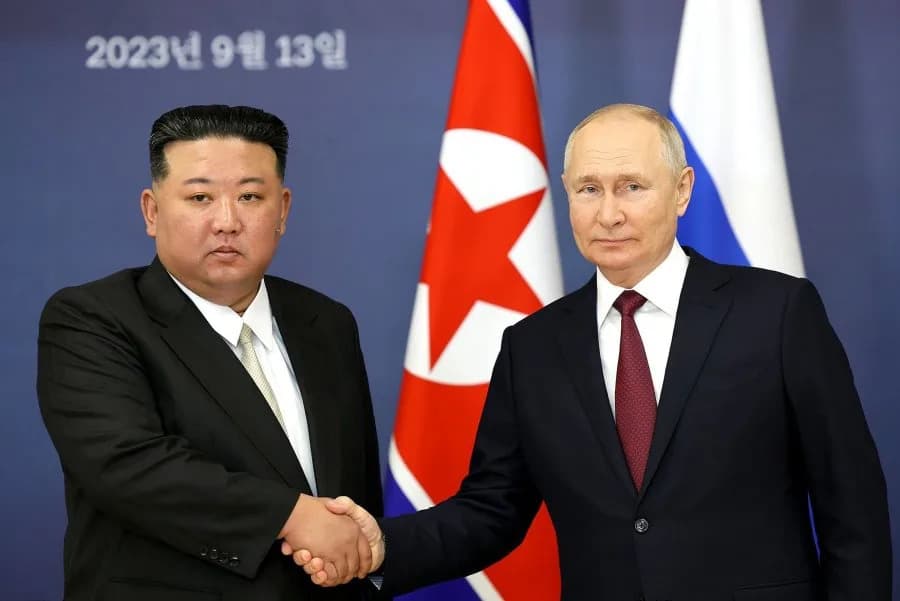
The memorial, unveiled on the one-year anniversary of Russia’s declared victory in Kursk, was attended by senior Russian officials and included a message from President Vladimir Putin read aloud. The displays include what appear to be captured NATO-origin systems — including Leopard and Abrams tanks — though analysts question whether North Korean forces obtained such equipment directly.
Official Line: North Korea is framing these deaths as heroic, patriotic sacrifices, using the memorial to cement a narrative of loyalty and martyrdom.
Prisoners, Repatriation And Human Rights Concerns
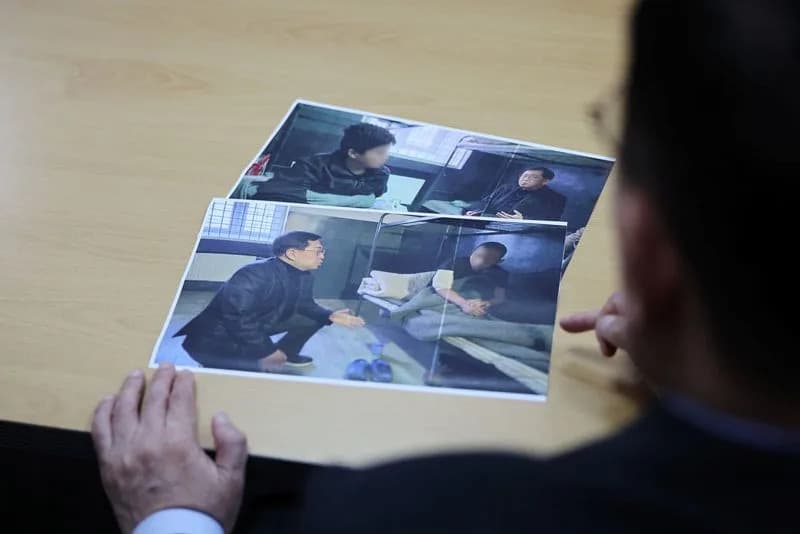
A small number of North Korean soldiers are known to have been captured alive by Ukrainian forces. Some captured fighters reportedly said they were unaware they would be sent into combat until shortly before deployment; at least one captive reportedly expressed regret for failing to take his own life rather than being captured. That admission underscores a grim doctrine and poses difficult legal and humanitarian questions.
Under international law, prisoners of war are typically repatriated at the end of hostilities, but human rights organizations warn that returning captured North Koreans could expose them to severe punishment. South Korean officials have said they would accept North Korean soldiers who wish to defect, creating a complex diplomatic and legal dilemma that may persist after active fighting ends.
The memorial both signals Pyongyang’s willingness to publicly acknowledge battlefield losses and highlights the broader risks — for soldiers, families and neighboring states — tied to North Korea’s growing involvement in the conflict.
Help us improve.