Researchers at ETH Zurich reconstructed 700,000 years of magmatic history beneath Methana and dated more than 1,250 zircon crystals. They found a large zircon "bloom" during an interval of dormancy lasting over 100,000 years, indicating substantial magma accumulation at depth. The team links this to water-rich subduction magmas that crystallize and stall, showing that long quiet periods do not guarantee a volcano is extinct. Enhanced monitoring of dormant volcanoes is recommended.
‘Extinct’ Volcanoes Can Be Quietly Recharging: Methana Study Shows Large Magma Buildup During Long Dormancy
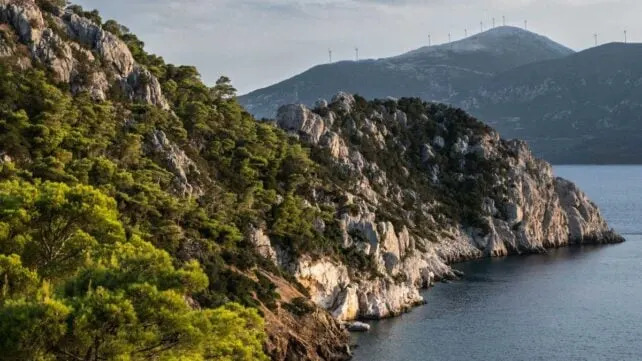
(photoz/Canva)
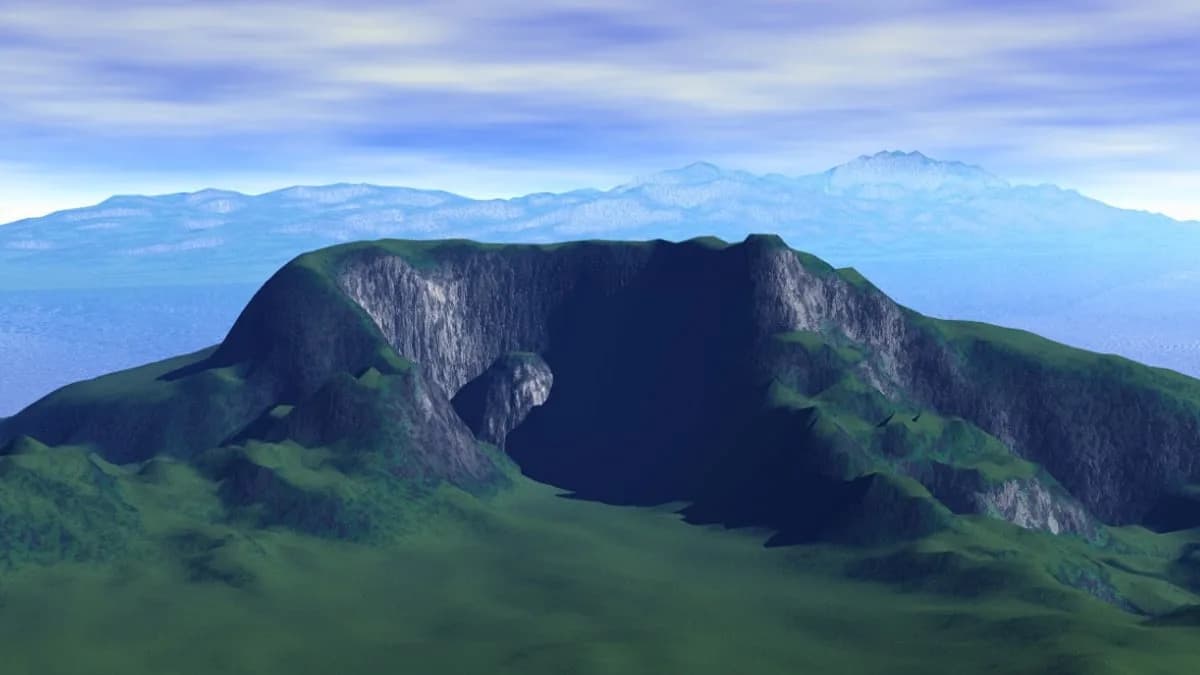
Volcanoes long labeled "extinct" after tens of thousands of years of silence may not be finished. A team at ETH Zurich reconstructed 700,000 years of magmatic history beneath the Methana volcano (west of Athens) and found strong evidence that the system accumulated large volumes of magma while showing no surface activity for more than 100,000 years.
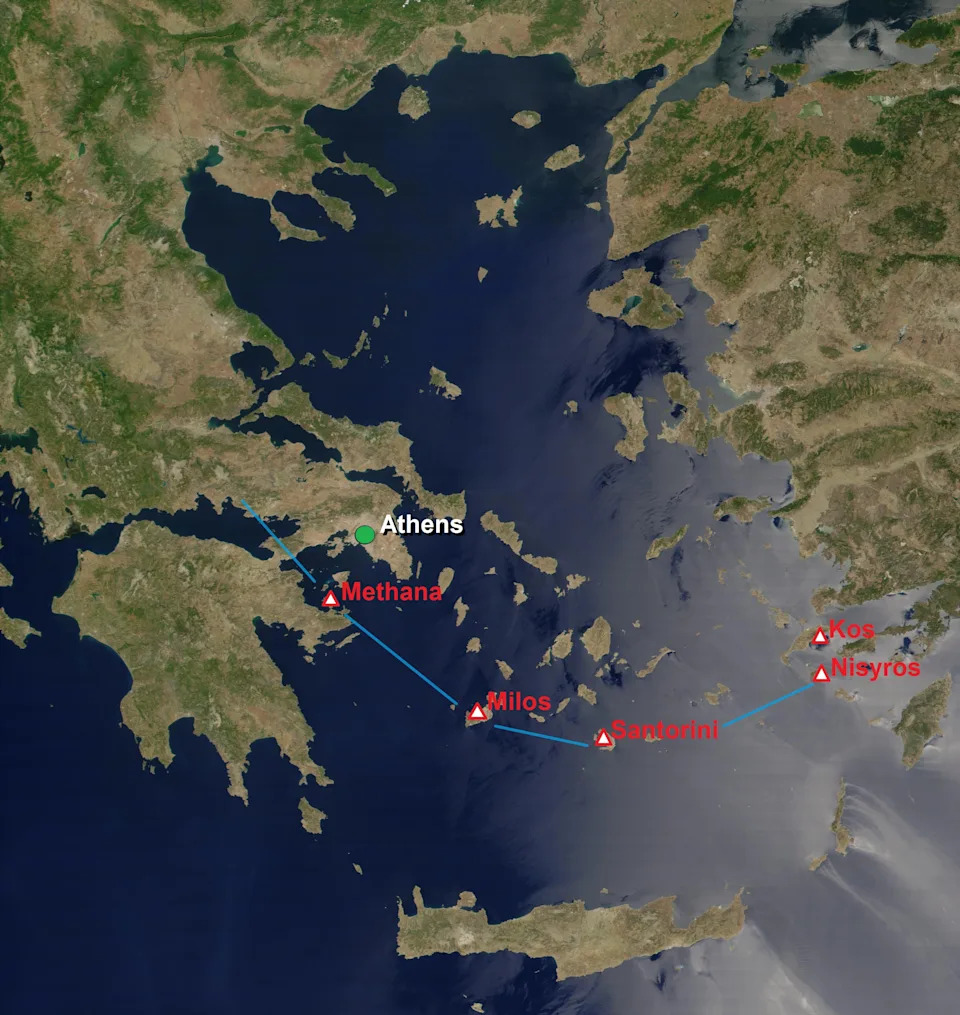
The Southern Aegean Volcanic Arc, showing Methana on the left and Santorini at the bottom. (Giorgostr/Wikimedia Commons)
How the Study Was Done
The researchers collected rock samples from 31 sites across Methana and extracted more than 1,250 zircon crystals. They dated those crystals using uranium-series and related radioactive-decay chronometers to build a high-resolution timeline of magmatic events spanning about 700,000 years.
The brown material, which is the result of Methana's youngest eruption, can still be seen flowing into the sea. (Răzvan-Gabriel Popa/ETH Zurich)
"What we learned is that volcanoes can 'breathe' underground for millennia without ever breaking the surface," said Olivier Bachmann, senior author and volcanologist at ETH Zurich.
Key Findings
The team detected a pronounced "bloom" of zircon formation between roughly 280,000 and 170,000 years ago, coinciding with Methana's longest dormant interval (over 100,000 years). That zircon signal indicates intense magma production at depth despite no eruptive deposits on the surface during that time.

Subscribe to ScienceAlert's free fact-checked newsletter
The apparent paradox is explained by Methana's tectonic setting: subduction supplies water-rich sediments to the mantle. Water increases melting (boosting magma production) but also promotes crystallization inside ascending melts, which thickens them and hinders their upward motion. Numerical models and petrological evidence from the study suggest these wetter magmas stall and accumulate at lower-crustal or shallow-mantle levels instead of erupting.
Hazard Implications
Methana has produced over 31 eruptions in its history, including three explosive events; the most recent activity was observed about 2,250 years ago and was recorded by the geographer Strabo. The new results show that long dormancy—even over 10,000 or 100,000 years—does not necessarily mean a volcano is extinct.
The authors recommend that hazard authorities consider enhanced monitoring of long-slumbering volcanoes. Useful techniques include continuous gas-emission measurements, ground-deformation surveys (GPS/InSAR), volcano-tectonic earthquake monitoring, and gravity or other geophysical surveys to detect magma accumulation at depth.
Publication
The study appears in the journal Science Advances. The work strengthens the view that subduction-zone volcanoes can be periodically fed by particularly water-rich primitive magmas, a process that may be more widespread than previously appreciated.
Help us improve.