Elon Musk testified for a second day in a high‑profile civil trial alleging Sam Altman broke promises to keep OpenAI a nonprofit. Musk said he invested about $38 million in OpenAI’s early years and grew suspicious by late 2022 that leaders intended to abandon the nonprofit mission. OpenAI denies any permanent nonprofit guarantee and contends the suit aims to undermine its growth and benefit Musk’s rival xAI. The case, heard in Oakland, could influence OpenAI’s leadership and plans for a potential IPO.
Musk Testifies in High‑Stakes OpenAI Lawsuit, Accuses Altman of Betraying Nonprofit Promise
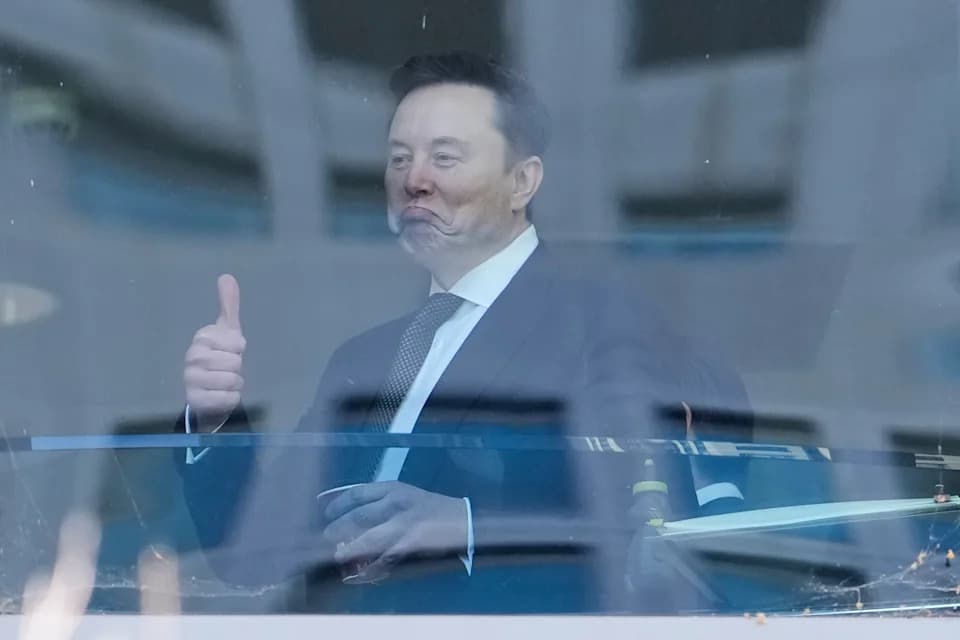
Elon Musk, left, gestures as he walks through a hallway inside the U.S. District Court in Oakland, Calif., Wednesday, April 29, 2026. (AP Photo/Godofredo A. Vásquez)(ASSOCIATED PRESS)
OAKLAND, Calif. — Elon Musk returned to the witness stand for a second day Wednesday in a closely watched civil trial that pits him against Sam Altman, a fellow OpenAI co‑founder. The lawsuit centers on whether OpenAI’s shift from a 2015 nonprofit start‑up — initially funded largely by Musk — into a commercial enterprise violated promises to keep the organization dedicated to humanity’s benefit.
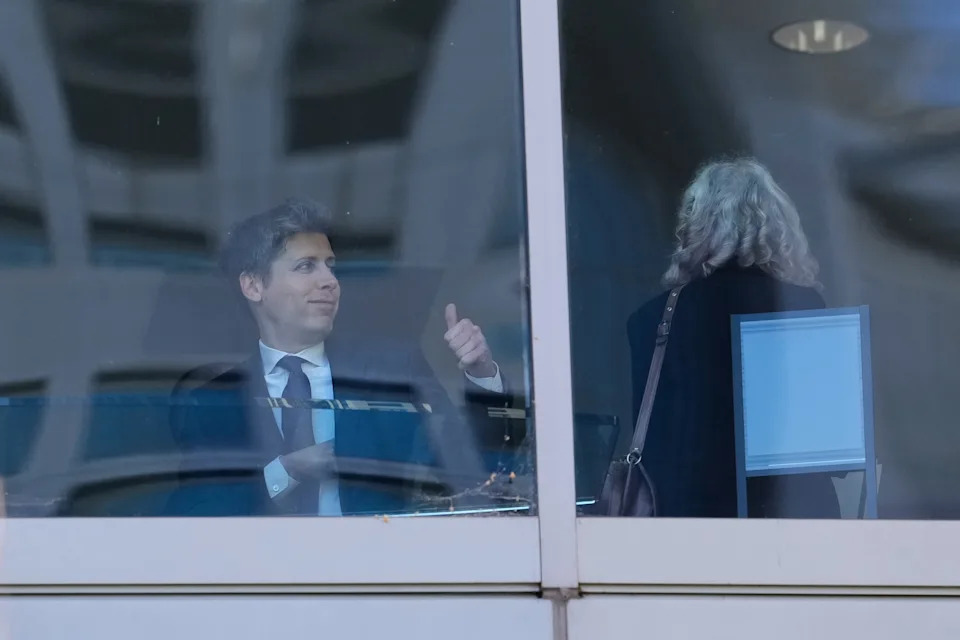
Sam Altman, left, gestures as he walks through a hallway inside the U.S. District Court in Oakland, Calif., Wednesday, April 29, 2026. (AP Photo/Godofredo A. Vásquez)(ASSOCIATED PRESS)
Musk testified that he invested roughly $38 million in OpenAI between December 2015 and May 2017 and described how his confidence in Altman and other co‑founders deteriorated over time. Under questioning by Musk’s attorney, Steven Molo, he said that by late 2022 he feared Altman was trying to “steal the charity.”
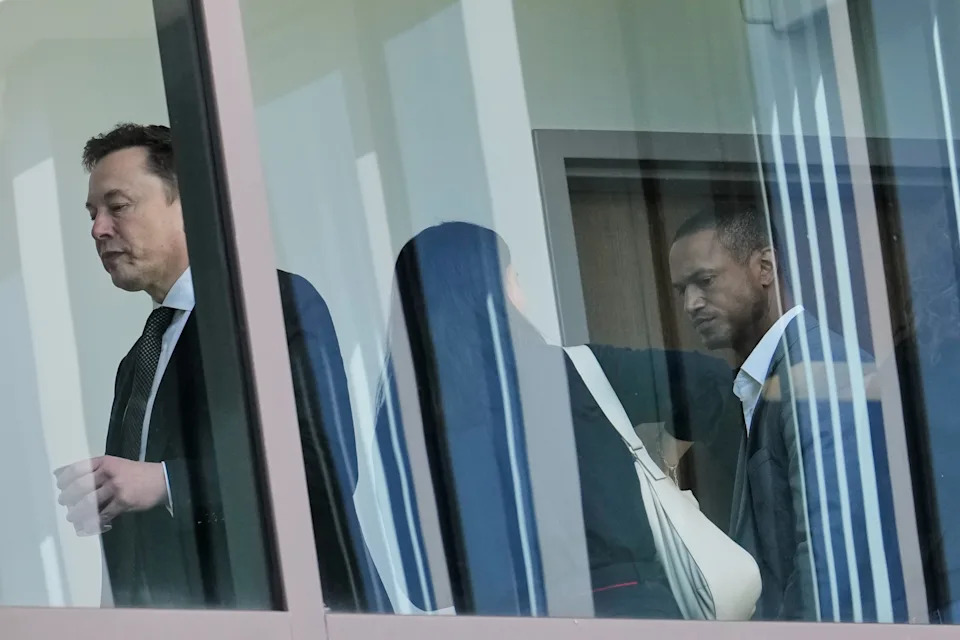
Elon Musk, left, walks through a hallway inside the U.S. District Court in Oakland, Calif., Wednesday, April 29, 2026. (AP Photo/Godofredo A. Vásquez)(ASSOCIATED PRESS)
“It turned out to be true,” Musk told jurors, dressed in a black suit and tie.
OpenAI lawyers, however, have rejected Musk’s claims. They say there were never binding guarantees that the company would remain a nonprofit indefinitely and argue the lawsuit is an effort to slow OpenAI’s growth and advantage Musk’s rival AI startup, xAI, launched in 2023.
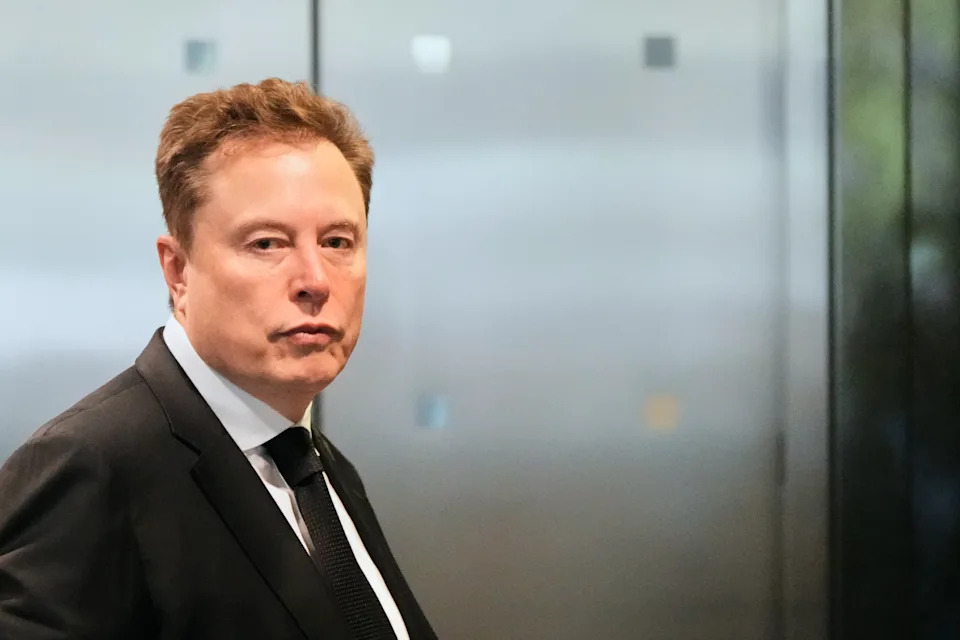
Elon Musk arrives at the U.S. District Court in Oakland, Calif., Tuesday, April 28, 2026. (AP Photo/Godofredo A. Vásquez)(ASSOCIATED PRESS)
During cross‑examination, OpenAI attorney William Savitt pressed Musk on pre‑founding emails that discussed whether a for‑profit structure might be more appropriate and questioned tax implications of his donations. Musk pushed back, saying some questions were designed to mislead.
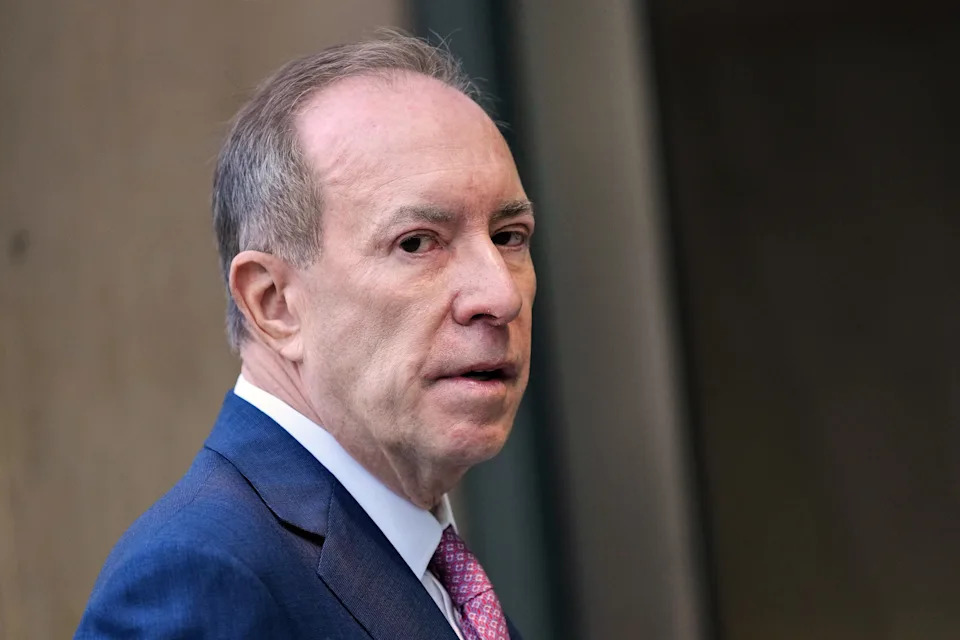
Steven F. Molo, attorney for Elon Musk arrives at the U.S. District Court in Oakland, Calif., Wednesday, April 29, 2026. (AP Photo/Godofredo A. Vásquez)(ASSOCIATED PRESS)
When Judge Yvonne Gonzalez Rogers asked Musk for a simple true‑or‑false answer about whether OpenAI was formed as a nonprofit in December 2015, Musk agreed it was, but cautioned the matter was not always black and white — controversially comparing the line of questioning to asking, “have you stopped beating your wife?” The judge cut off that analogy amid courtroom laughter.
Beyond those moments of levity, the stakes are substantial. Musk’s suit seeks Sam Altman’s removal from OpenAI’s board — a ruling that could reshape leadership at one of the world’s most influential AI companies and complicate plans for a potential initial public offering. If Musk prevails, it could materially alter the company’s governance and strategic path.
Musk testified he originally sought a majority stake and four of seven board seats but expected that position to be diluted as OpenAI grew and took on investors — drawing a parallel to his early majority stake in Tesla, which he says now represents roughly 15% of the company. OpenAI disputes that Musk was promised eventual dilution or that he was entitled to maintain a board majority.
The trial, held in federal court in Oakland, began Monday and is expected to last about four weeks. Both sides have presented sharply contrasting narratives about OpenAI’s founding intent, donor expectations, and the proper governance of powerful AI technology as it moves from nonprofit roots into a commercial landscape.
Help us improve.