New York City leaders have delayed the mayor’s May 1 budget deadline while seeking ways to close a $5.4 billion deficit, including requesting more state aid and pursuing PTET changes that could raise about $1 billion. The PTET largely benefits high earners, which makes it politically attractive but legally constrained because tax-rate changes require state approval. Fiscal watchdogs warn the gap could grow to $10 billion, forcing repeated fights over revenue or program cuts. Separately, a POGO investigation details Ballard Partners’ lobbying for investors pursuing Venezuelan oil contracts after OFAC eased restrictions.
Taxing the Wealthy: How NYC Plans to Close a $5.4B Shortfall

Taxing the Rich
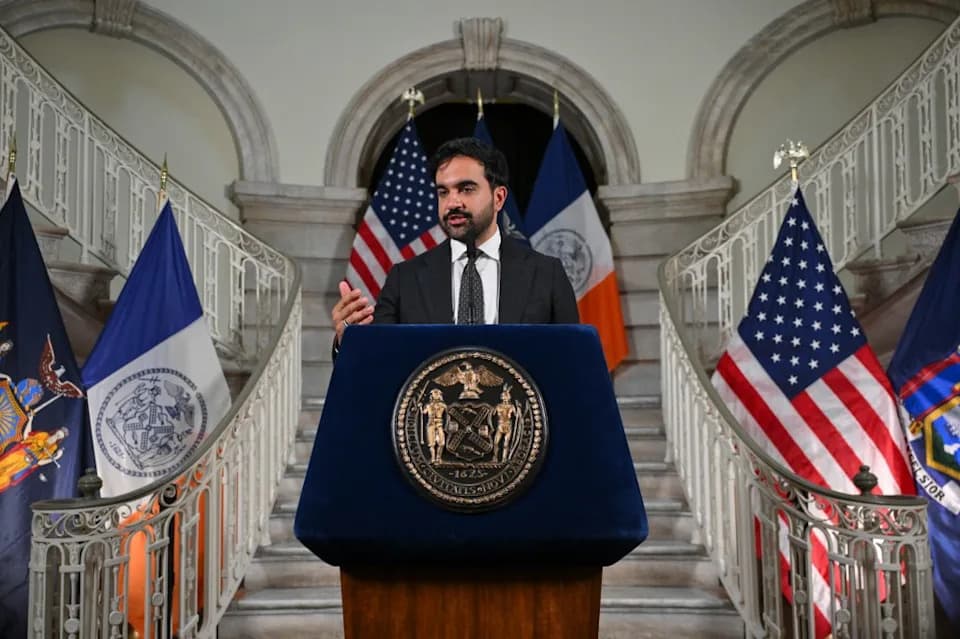
New York City Mayor Zohran Mamdani and City Council Speaker Julie Menin have agreed to postpone the mayor’s May 1 deadline to release an executive budget proposal as they work to close a projected $5.4 billion budget gap, according to reports in Politico and The City.
PTET, Politics, and a Search for Revenue
The two leaders plan to jointly request additional state aid and pursue changes to New York State’s pass-through entity tax (PTET), which they estimate could yield roughly $1 billion. The PTET is a voluntary state-level election by certain partnerships and pass-through businesses to pay state tax at the entity level; owners receive state income-tax credits that can lower their federal tax liability.
A recent Manhattan Institute brief by E.J. McMahon argues that the PTET’s primary beneficiaries are high-income earners and millionaires—making it an attractive target for a mayor who campaigned on taxing wealthy individuals and large corporations. However, New York City cannot unilaterally increase income or corporate tax rates: the state must grant that authority.
State Constraints and Other Proposals
Governor Kathy Hochul has resisted allowing the city to raise business and income taxes directly. She has proposed a separate tax on second homes valued above $5 million that is projected to raise about $500 million annually (a figure this article originally misstated and has since corrected).
Longer-Term Fiscal Risks
Even if the city secures some of these measures, the underlying challenge is structural and recurring. The Citizens Budget Commission warns the shortfall could grow to roughly $10 billion within a few years as the cost of existing programs continues to rise. Relying repeatedly on wealthy residents and large firms carries risks: at the margin, higher taxes can encourage relocation. New York City’s millionaires represent under 1% of filers while contributing roughly 37% of city income-tax revenues.

Christian Britschgi(Christian Britschgi)
Mayor Mamdani faces a stark choice: pursue broader, potentially unpopular tax increases that affect many New Yorkers to sustain current and proposed services, or make targeted cuts and reprioritize city spending.
Lobbying, Venezuela, and OFAC
A separate investigation by the Project On Government Oversight (POGO) reports that lobbying firm Ballard Partners is using ties to former Trump administration officials to recruit clients seeking Venezuelan oil contracts after the removal of Nicolás Maduro. The report highlights Ballard’s registration of Swedish investment firm Maha Capital, which reportedly paid Ballard $120,000 in Q1 2026 to lobby the State and Treasury departments.
On March 18, the Treasury Department’s Office of Foreign Assets Control (OFAC) authorized certain established U.S. entities to do business with Venezuela’s state oil company, Petróleos de Venezuela, S.A. (PDVSA), enabling investors such as Maha to pursue purchases and comply with U.S. rules by structuring holdings through U.S.-based subsidiaries.
Public Messaging and False Positives
The author also observed a passenger advisory poster at Ronald Reagan Washington National Airport urging the public to watch for behavioral signs of human trafficking. Such public-service announcements can be well intentioned but risk encouraging misidentification: it is often impossible for ordinary travelers to distinguish between legitimate family travel and trafficking without additional context, and mis-accusations can cause severe harm.
Quick Notes
- Analysts warn of potential spikes in energy prices.
- The Supreme Court is weighing the constitutionality of geofence warrants.
- Questions persist about OpenAI’s data-center spending amid criticism from lawmakers.
- Authorities have charged the alleged correspondents’ dinner shooter with attempting to assassinate President Trump.
Correction: This article originally misstated the estimated revenue from Governor Hochul’s proposed luxury second-home tax; the estimate has been updated.
Originally published on Reason.com.
Help us improve.