Republican Bruce Blakeman is running for New York governor but has released few concrete policy plans a month before Election Day. His platform centers on large income tax cuts, a promised 50% reduction in utility bills, and expanded property tax rebates, but the campaign has not provided detailed fiscal offsets. Analysts warn the proposals could require tens of billions in cuts and face legal and political hurdles, including New York's fracking ban and a Democratic Legislature.
Bruce Blakeman’s Gubernatorial Bid: Bold Promises, Few Policy Details
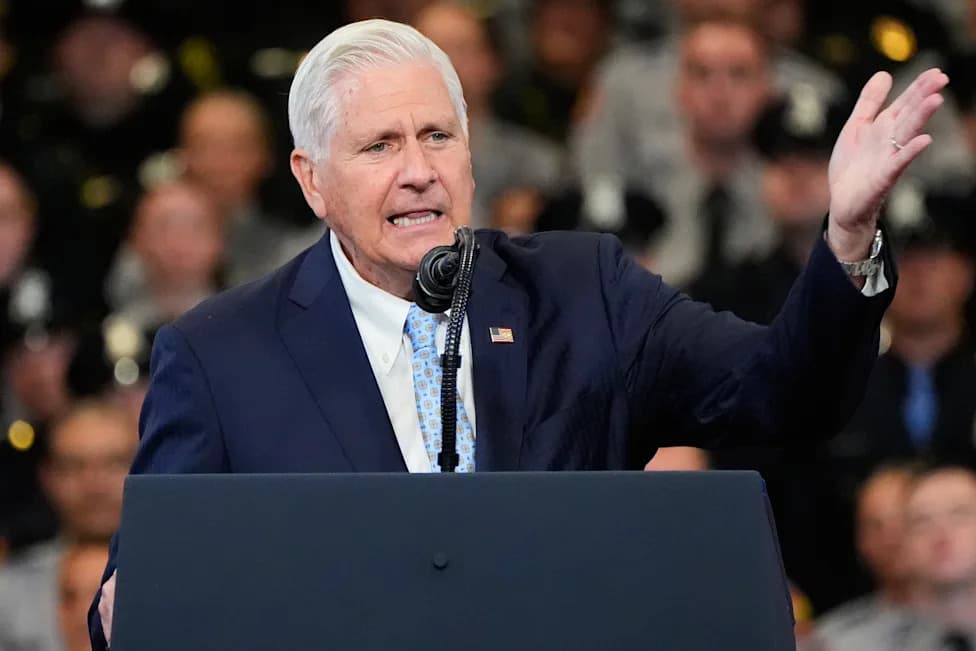
Bruce Blakeman has offered few policy details in his bid to become New York governor
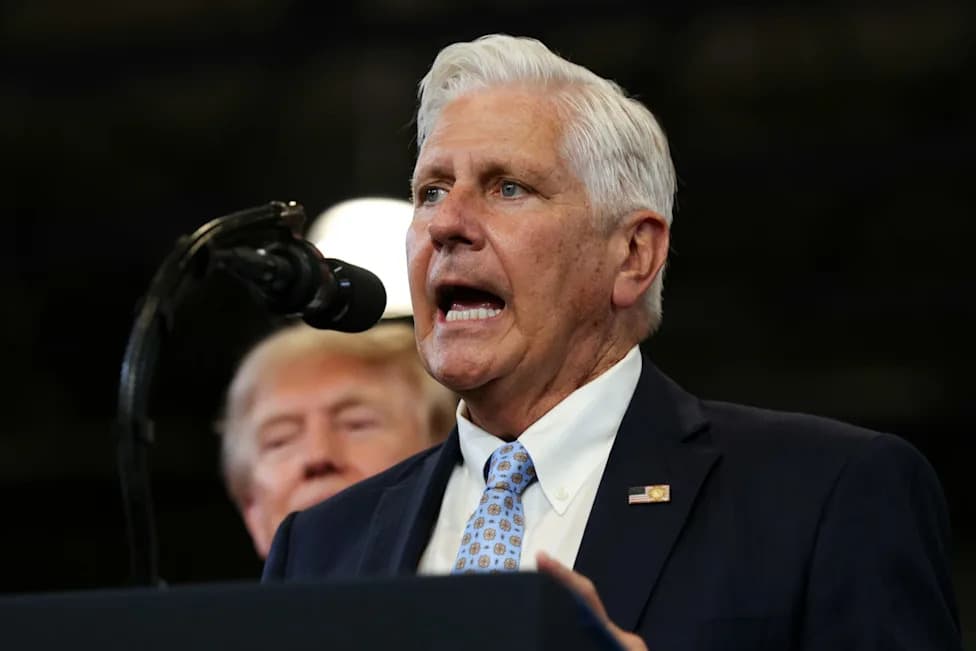
ALBANY, New York — Republican Bruce Blakeman is campaigning to become New York's next governor, but with roughly a month until Election Day he has released few concrete policy proposals detailing how he would govern.
Campaign Style: Attacks Over Specifics
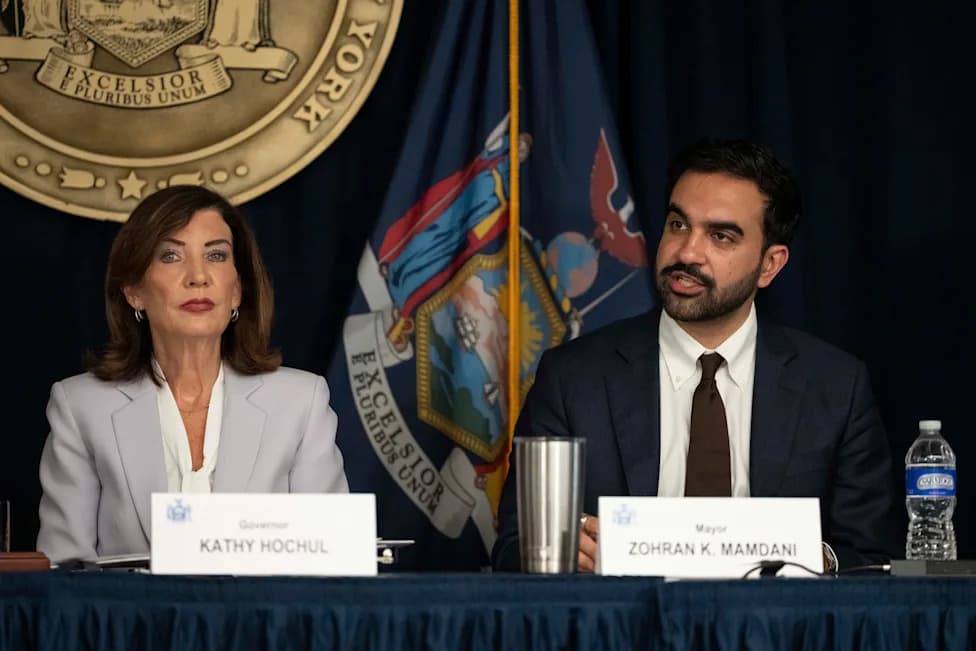
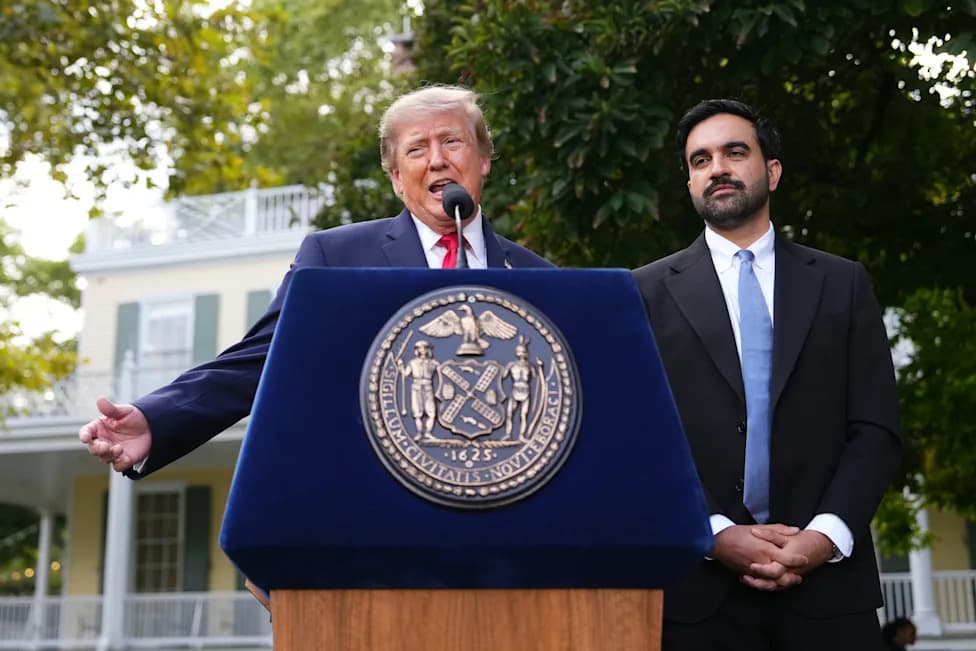
Blakeman has emphasized aggressive attacks on incumbent Gov. Kathy Hochul and New York City Mayor Zohran Mamdani rather than laying out detailed plans. On the campaign trail he often pivots from policy questions to ideological critiques, repeatedly denouncing what he calls "socialism" and using sharp language to label political opponents.
Signature Promises
Tax Cuts: Blakeman proposes eliminating income tax on the first $50,000 for individuals and the first $100,000 for married couples, plus an additional 10% income tax reduction. His campaign currently pegs the cost at roughly $35 billion but has not provided detailed fiscal estimates or line-by-line offsets.
Utility Bills: He promises a 50% reduction in utility bills, saying it could be achieved quickly by cutting taxes on energy and allowing hydrofracking in the Southern Tier. He has also proposed doubling a multibillion-dollar property tax rebate program and returning $2.4 billion from an unspent energy fund as ratepayer credits.
Fiscal Reality And Expert Skepticism
Analysts and state officials warn that Blakeman's proposals would require tens of billions in new cuts or offsets. State Senate Finance Chair Liz Krueger estimates revenue losses from the tax plan could approach $40 billion and that lost federal matches would raise the required cuts even higher. The state comptroller projects a $32 billion shortfall over the next three years, compounding the fiscal challenge.
Policy experts question the feasibility of a rapid 50% reduction in utility bills. Much of an electric bill covers grid maintenance and other fixed costs; only a small portion is tied to state taxes and mandates. Likewise, increased local natural gas production would have limited effect on retail electric prices, given regional and global market forces.
Legal And Political Constraints
Several of Blakeman's proposals would require action by the state Legislature or changes to statutes. Hydraulic fracturing (fracking) is currently banned in New York and would need statutory repeal. Other policies he opposes—bail reform, limits on solitary confinement, congestion pricing and restrictions on local cooperation with ICE—could only be changed if both legislative chambers agreed; the Assembly has been Democratic-controlled since 1976.
Some proposals also misunderstand jurisdictional boundaries. For example, using Rikers Island to house homeless New Yorkers would require cooperation from New York City, which controls the facility and would likely resist unilateral state action.
Reception And Takeaway
Supporters highlight Blakeman's willingness to challenge the status quo; critics say his campaign relies on slogans and sound bites without credible implementation plans. Labor leaders and fiscal analysts say specifics are essential for evaluating whether his promises are achievable without drastic cuts to schools, health care, and other core services.
Bottom line: Blakeman is selling sweeping fiscal and energy changes but has offered limited detail on how to reconcile those promises with New York's legal constraints and tight fiscal outlook.
Help us improve.