The Herlaugshaugen mound on Leka, Norway, contains a ship burial dated to about 700 C.E., roughly 100 years before Vikings are recorded on the island. Metal detection and radiocarbon dating of iron rivets and wood from a 65-foot vessel show the practice of monumental ship burials predates the Viking Age in northern Norway. The findings challenge the site's association with the legendary Herlaug and suggest northern Norway was part of broader seventh- to tenth-century funerary networks.
Ancient Ship Burial at Leka Predates Vikings by About a Century, Study Finds
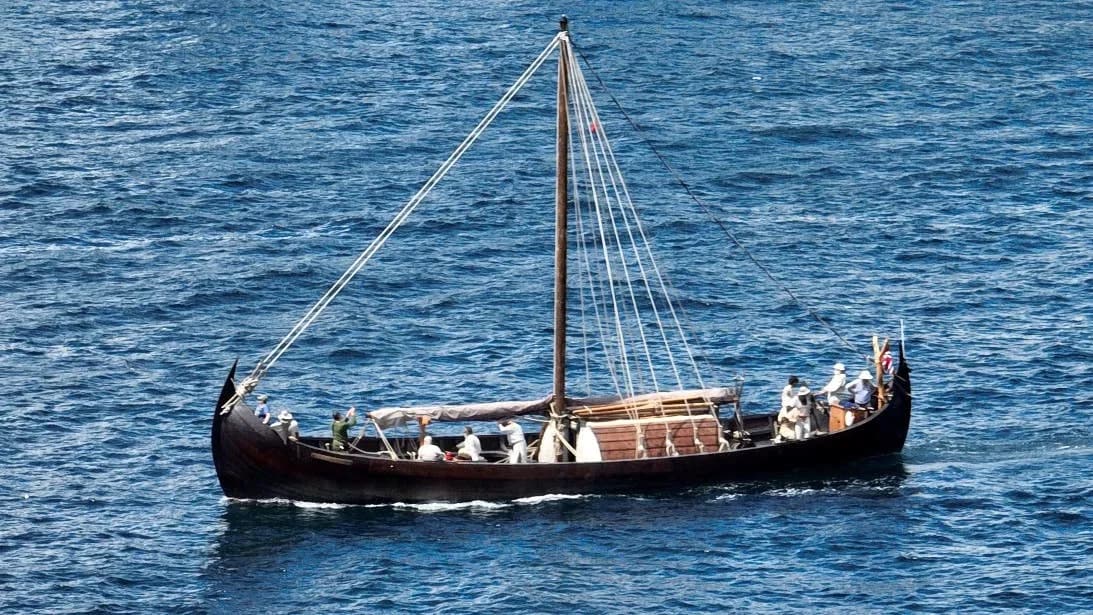
New archaeological evidence from the island of Leka, Norway, shows that monumental ship burials in the region began well before the Viking Age. Researchers working at the Herlaugshaugen mound recovered iron rivets and preserved wood from a buried ship that have been radiocarbon-dated to around 700 C.E., roughly a century earlier than the documented arrival of Vikings on the island.
Using metal detectors to locate fittings and radiocarbon dating on wooden samples, the team sampled a vessel approximately 65 feet long (about 20 meters) that has lain under the mound for roughly twelve centuries. These results overturn the long-standing assumption that the distinctive practice of burying ships in monumental mounds was initiated by Viking communities in Norway.
Implications for Local Legend. The mound’s name, Herlaugshaugen, is linked to the pre-Viking figure Herlaug, who was traditionally believed to be interred there. Historical reports that a body was exhumed in the 18th century left room for debate, but the new dates show the ship was buried at least 80 years before Herlaug’s recorded death—making it impossible for him to be the person buried in that vessel and calling the foundational myth into question.
Broader Context. While ship burials are often associated with Viking culture, earlier examples elsewhere—such as sites in East Anglia—date back to around 600 C.E. Viking-era burials in Norway are generally documented from about 800 C.E. onward. The Herlaugshaugen find helps bridge that chronological gap and indicates that northern Norway participated in wider funerary networks and ritual practices across northwestern Europe during the seventh to tenth centuries.
"New excavation at Herlaugshaugen reveals that the phenomenon of monumental ship graves was not restricted to southern Scandinavia; the northern Norwegian coast was also integrated into networks established in the seventh and eighth centuries," the authors write. "The monumental ship mound at Leka represents another piece of the puzzle for understanding the social development of northern Europe in the seventh to 10th centuries."
This research, published in the journal Antiquity, reframes how archaeologists understand the origins and spread of ship-burial rituals prior to and into the Viking Age. Future excavations and wider regional comparisons will help clarify how these mortuary practices moved across the landscape and through social networks of early medieval Europe.
Source: Study in Antiquity; originally reported in Men's Journal (Apr 28, 2026).
Help us improve.