The University of Wisconsin–Madison has received $100 million in private gift commitments from the Catalyst Collective to launch a College of Computing and Artificial Intelligence on July 1, 2026. The college will consolidate programs in computer science, data science, statistics, library science and information science and plans to hire about 50 new faculty. UW–Madison will also invest more than $50 million annually to support the college. Remzi Arpaci-Dusseau was named founding dean and will lead efforts around curriculum, research and ethical engagement with AI.
UW–Madison Secures $100M In Private Gifts To Launch College Of Computing And Artificial Intelligence

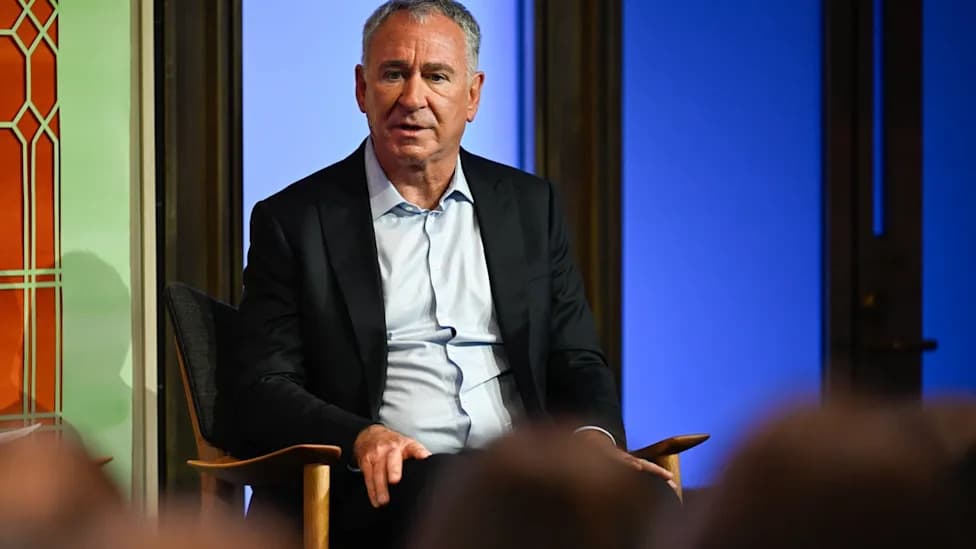
The University of Wisconsin - Madison announces the inaugural dean for its new College of Computing and Artificial Intelligence as well as $100 million in private support for the initiative.getty
The University of Wisconsin–Madison has secured $100 million in private gift commitments to establish a new College of Computing and Artificial Intelligence, which is scheduled to open on July 1, 2026. The funding comes from a coalition of alumni, business leaders and corporate partners organized as the Catalyst Collective.
Catalyst Collective Backs New College
The Catalyst Collective includes high-profile alumni and corporate supporters such as Andy Konwinski (cofounder of Laude, Databricks and Perplexity AI), John and Tashia Morgridge, Signe Ostby, Jeff Tangney (cofounder and CEO of Doximity), Scott Cook (co-founder of Intuit) and Epic, the Verona-based health software company. These commitments are presented as private pledges to support the college's launch and early growth.
What The College Will Do
Approved by the University of Wisconsin System Board of Regents in December, the College of Computing and Artificial Intelligence is the first new academic division at UW–Madison in more than 40 years. It will unify related programs — including computer sciences, data science, statistics, library science and information science — under a single college to strengthen interdisciplinary teaching, research and public engagement around AI.
UW–Madison plans to recruit roughly 50 new faculty members over the coming years. These hires will develop new courses, certificates, majors and degree programs that center on artificial intelligence technologies as well as the ethical, legal and societal impacts of AI. Many new faculty will hold joint appointments across departments to encourage cross-campus collaboration.
In addition to the $100 million in private commitments, the university says it will invest more than $50 million annually to support the college’s operations, faculty hires and program development.
Leadership And Research
Remzi Arpaci-Dusseau, the Grace Wahba Professor of Computer Sciences and former chair of the Computer Sciences Department, was named founding dean. Arpaci-Dusseau led much of the effort to create the college, including critical fundraising. He is an expert in computer systems and has produced influential research in storage systems, operating systems and distributed computing alongside his longtime collaborator, Andrea Arpaci-Dusseau.
"I’m honored to lead the college at such an important moment; AI is already reshaping society," Arpaci-Dusseau said in a university news release. "In moments of major change, universities have a responsibility to engage, not stand on the sidelines. We must ask hard questions about impacts, guide innovation thoughtfully and prepare students to thrive in a changing world."
UW–Madison Chancellor Jennifer L. Mnookin said the college is intended both to build disciplinary strength and to serve as a cross-campus hub for addressing AI’s ethical questions and workforce implications. "Helping society navigate a changing landscape will require collaboration across disciplines, and Remzi brings the strong leadership needed for this critical endeavor," she said.
The university noted that these private pledges, combined with institutional investment, will position the new college to launch strongly and pursue interdisciplinary research, teaching and public engagement on AI. This article was originally published on Forbes.com and has been edited for clarity and concision.
Help us improve.