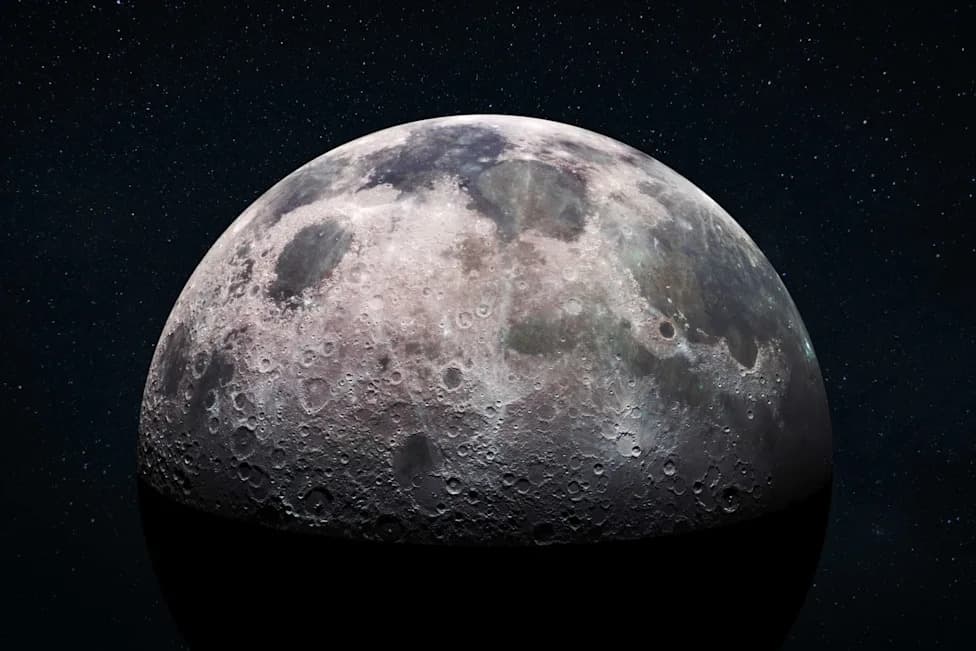
NASA is enlisting citizen scientists to record short impact flashes produced when meteoroids strike the Moon’s night side. Volunteers with a ≥4-inch telescope, auto-tracking, and 25–30 fps video can join the Impact Flash project and upload clips to the Lunar Impact Flash database. Observations — combined with Artemis II data — will refine impact-rate estimates, help assess risks to future lunar habitats, and support studies that link impacts to moonquakes and the Moon’s interior.
Help NASA Spot Meteor Impacts on the Moon — Join the Impact Flash Citizen-Science Project
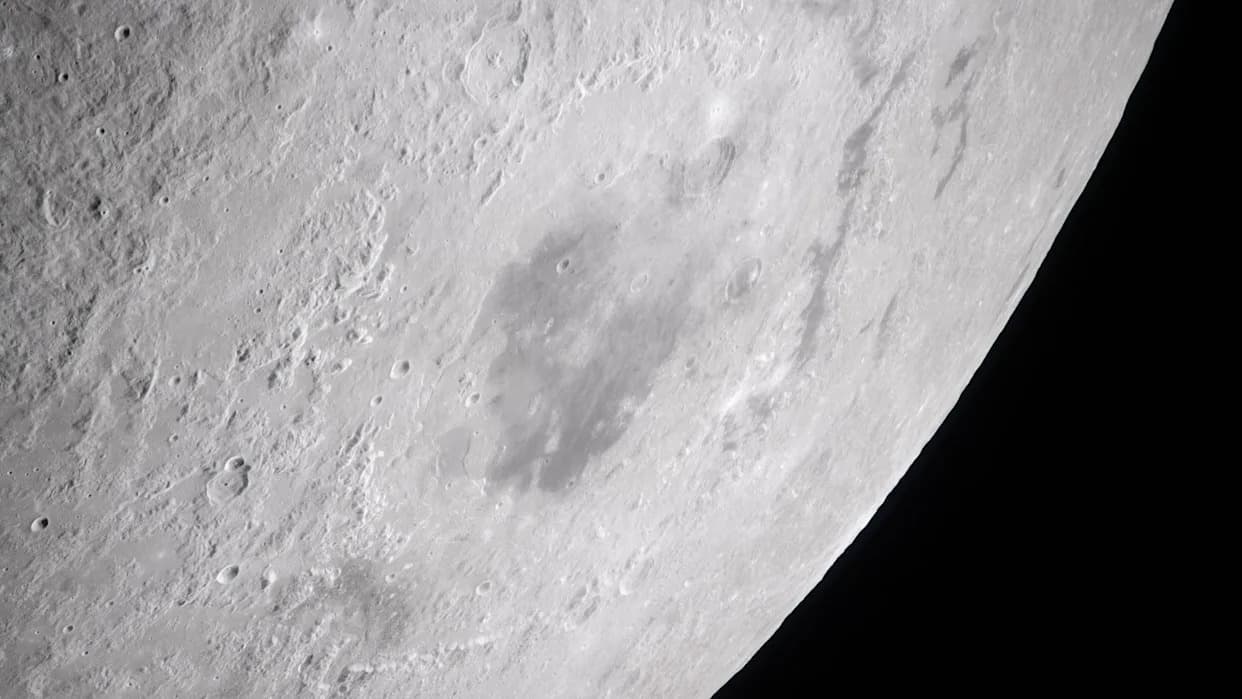
The moon is bombarded by meteoroids the size of ping-pong balls every day.
Establishing a long-term human presence on the Moon is a major undertaking. One important step is improving our knowledge of how often meteoroids strike the lunar surface and how much damage they cause. To build that knowledge, NASA is inviting people on Earth to help record brief flashes of light produced when meteoroids hit the Moon’s dark side.
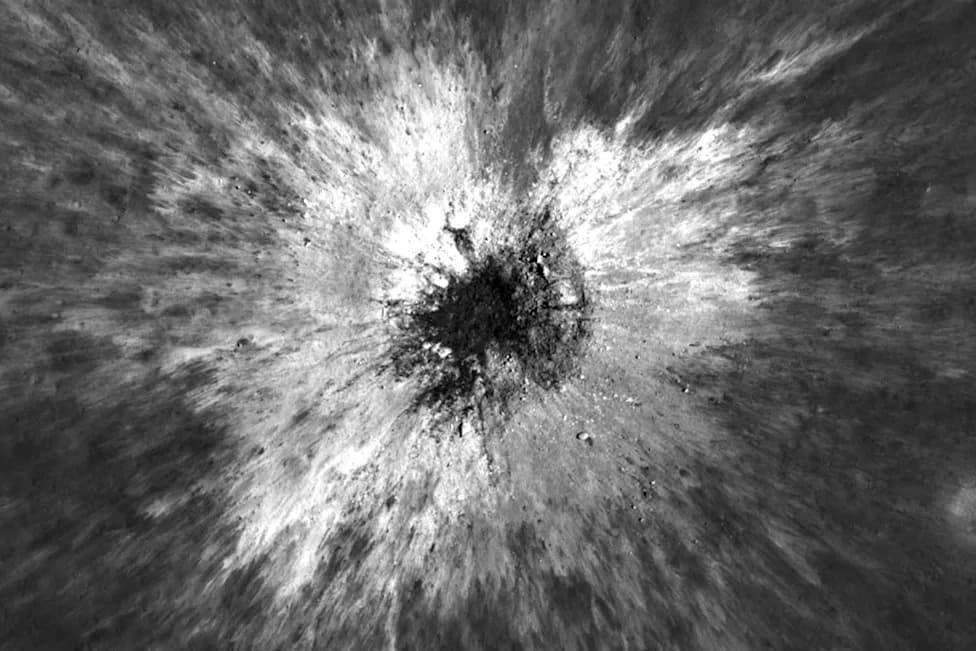
The NASA-funded Geophysical Exploration of the Dynamics and Evolution of the Solar System (GEODES) team at the University of Maryland calls these events impact flashes: split-second flares caused when a meteoroid collides with the lunar surface. Earth’s atmosphere burns up many small meteoroids, but the Moon receives far more direct hits. Astronomers estimate that roughly 100 ping-pong-ball-sized meteoroids strike the Moon every day, each releasing energy roughly equivalent to seven pounds of dynamite. Larger impacts are rarer but still powerful: about once every four years a meteoroid at least eight feet (≈2.5 m) across strikes the Moon with an energy comparable to ~1 kiloton of TNT.
During their historic lunar flyby on April 6, the Artemis II astronauts observed several impact flashes. Data from their observations and instruments helps refine current estimates of impact rates, but scientists say many more observations are needed to create a robust long-term dataset.
How You Can Help
The Impact Flash citizen-science program asks volunteers with suitable equipment to monitor the Moon’s night side and record any flashes. For the best chance of detection, the project recommends:
- Telescopes with at least a 4-inch (100 mm) mirror or lens
- Automatic tracking to keep the Moon centered
- Video recording at about 25–30 frames per second
Scientific Value
Submitted observations are reviewed by professional astronomers who extract impact characteristics such as location, brightness, and estimated energy. According to Ben Fernando, planetary scientist at Los Alamos National Laboratory and lead of the Impact Flash project, those measurements will support future lunar science and exploration.
“We are planning to send seismometers to the Moon to measure how the ground shakes,” Fernando said. “Your measurements of impact flashes will help us work out the sources of moonquakes we detect. This will help us work out what the Moon’s interior looks like.”
In short, volunteer recordings will help refine impact-rate estimates, improve models of impact risks for future lunar bases, and contribute to studies of the Moon’s interior by linking impacts to moonquake signals.
How to get started: Check the Impact Flash project page for submission guidelines, software recommendations, and the Lunar Impact Flash database upload portal. Even modest amateur setups that meet the equipment guidelines can make valuable contributions.
Help us improve.