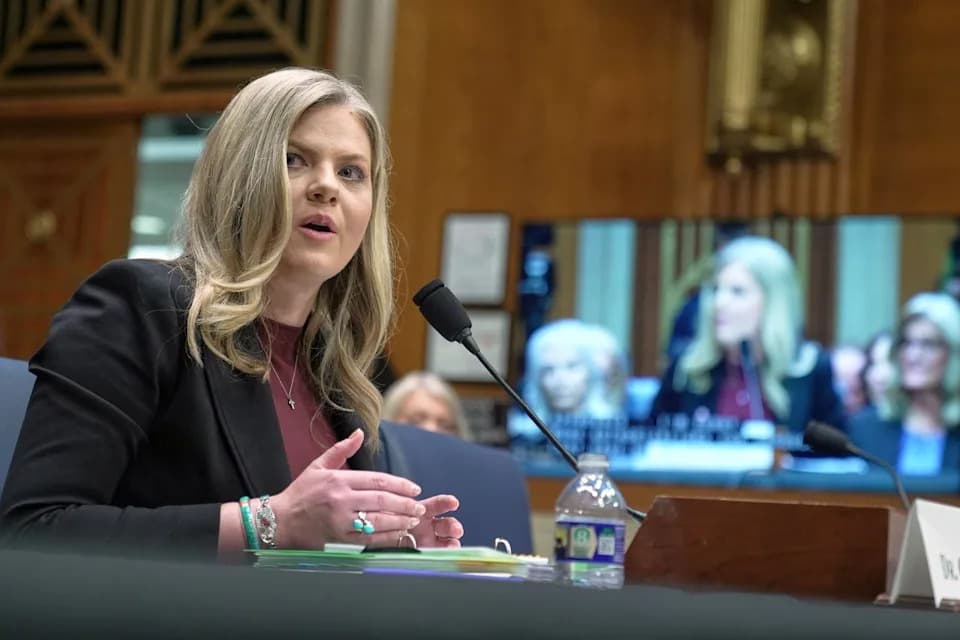
The Brown University study finds a nearly 40% increase in absences among foreign‑born students in a northeastern district following President Trump’s January 2025 inauguration. The rise—from 5.9% to 8.1%—was persistent across the 2024–25 school year rather than limited to days with local enforcement actions, and hit high‑school juniors hardest. Researchers used student birthplace records and a detailed enforcement log to reach their conclusions and urge stronger school outreach and protections.
Study Finds Nearly 40% Rise in Absences Among Foreign‑Born Students After Trump’s Inauguration
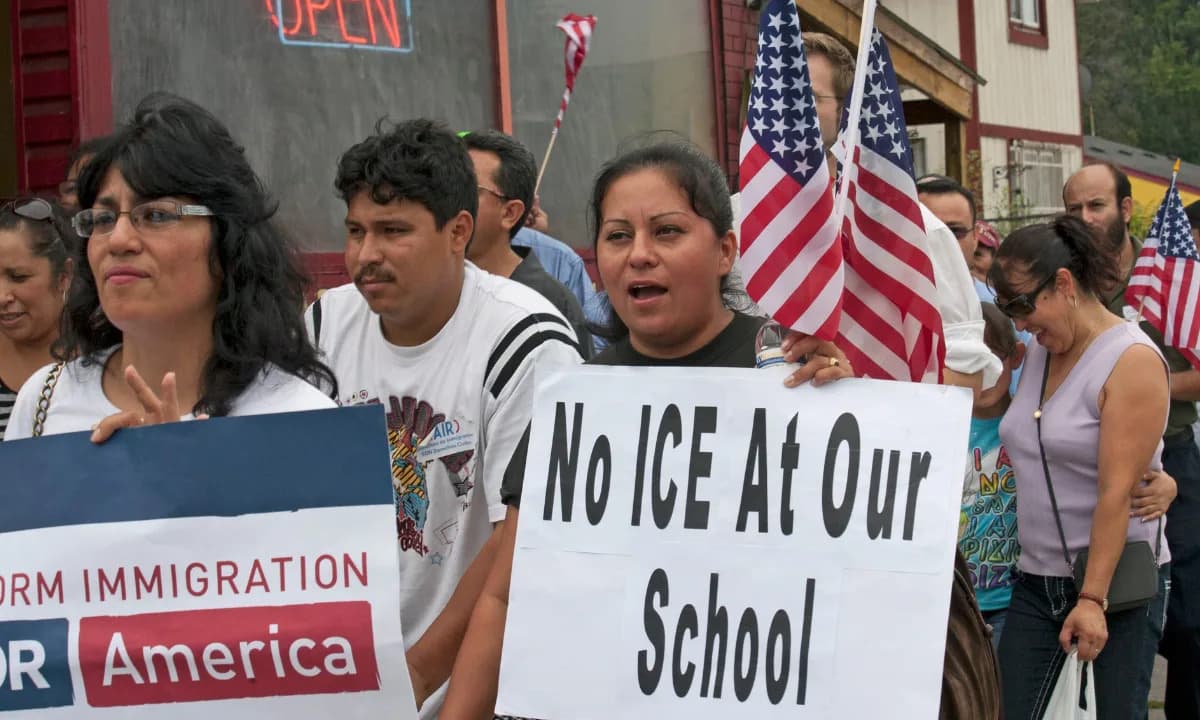
New research from Brown University shows a substantial and persistent rise in school absences among students born outside the United States after President Trump’s January 2025 inauguration. The study, conducted in partnership with a northeastern school district and a local immigrant‑advocacy group, found that foreign‑born students in that district missed almost 40% more school days during the 2024–25 academic year than the year before.
Key Findings
The authors, led by Andrew Camp of Brown’s Annenberg Institute, compared attendance records for 2024–25 with the prior school year and found that the daily probability a foreign‑born student would be absent rose from 5.9% to 8.1%—an increase of roughly 37%. That decline reflected a sustained lower baseline of attendance across the winter and spring months, not only short‑term spikes tied to specific enforcement actions.
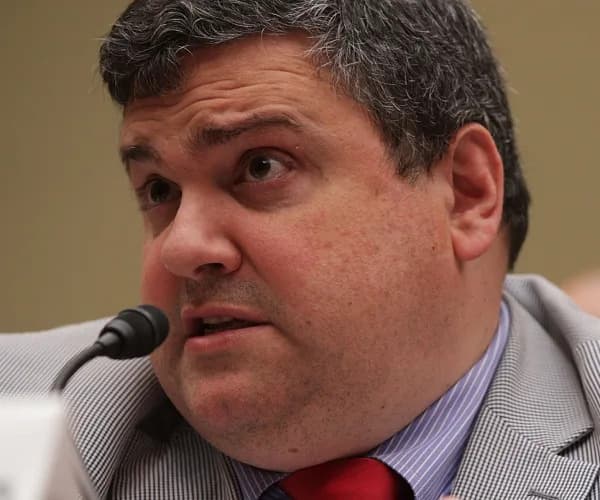
Andrew Camp
The impact was concentrated among older students: high‑school juniors experienced the largest jump in absences (about six percentage points), while changes for pre‑K and elementary students generally were not statistically significant. Absences rose only modestly (about 0.6 percentage points) on days when enforcement actions occurred inside the community and did not remain elevated the following day, reinforcing that the effect was persistent rather than purely reactive.
Methods and Local Context
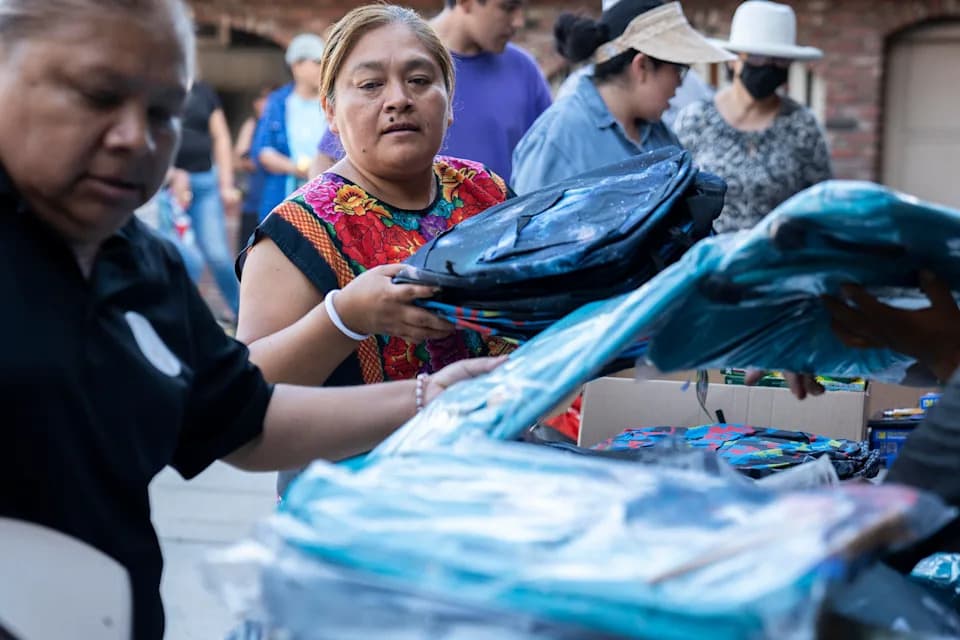
To reach these conclusions, the research team worked directly with the district (pseudonymized as 'Liberty City' to protect privacy) to obtain thousands of students' birthplaces recorded at enrollment, and with a local advocacy group to compile a day‑by‑day log of immigration enforcement events beginning in January. About 40% of Liberty City's residents were born abroad and roughly two‑thirds identify as Hispanic or Latino, making the district demographically similar to other areas that have reported enforcement‑related attendance drops.
Thomas Dee
'If this just happens the day after an event, you might say, "Well, there’s nothing we can do, and throw up your hands,'" Camp said. 'But if it happens even when there’s nothing going on in the community, that indicates that it might be a more persistent problem that requires a more considered outreach effort.'
Implications
The study's findings align with other recent research—such as work in California's Central Valley—showing that increased immigration enforcement and deportations can cause significant academic disruption. Stanford economist Thomas Dee, whose own study documented similar effects, warned that elevated absenteeism is likely a leading indicator of downstream harms, including lost learning time and stress‑related mental health challenges.
Researchers note that Liberty City is broadly welcoming to immigrant families: local officials held public meetings after the November 2024 election to reassure residents, and the district does not share student immigration data with federal agencies. That suggests attendance effects could be larger in less supportive communities.
'Protecting access to education is not optional; it is a legal and moral responsibility that schools must uphold for every child,' said Viri Carrizales, founder and CEO of ImmSchools. 'A school can no longer be a school when its classrooms are filled with empty seats.'
What Schools Can Do
Authors and advocates urge districts to expand outreach, clarify policies that protect students' rights and privacy, and develop targeted reengagement efforts—particularly for older students who appear more likely to stay away on their own. Without such measures, schools risk extended learning losses and additional stress on affected families and communities.
Help us improve.