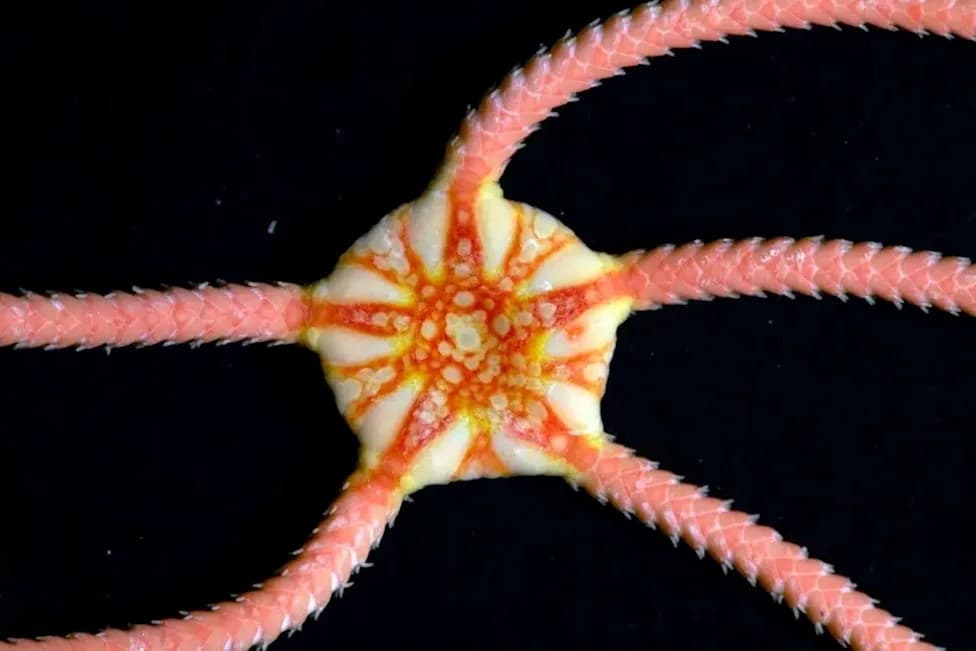
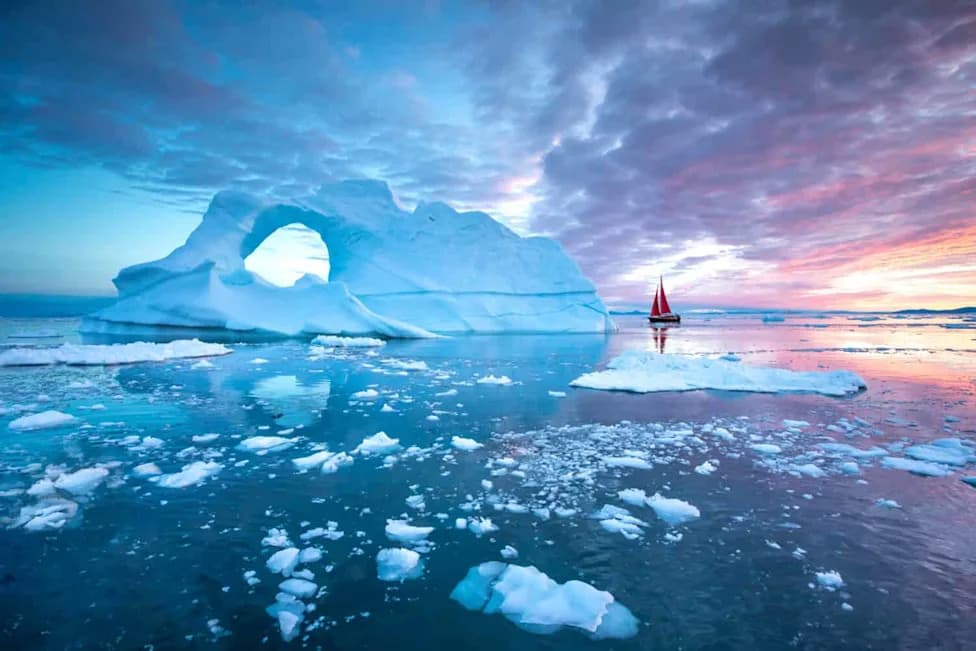
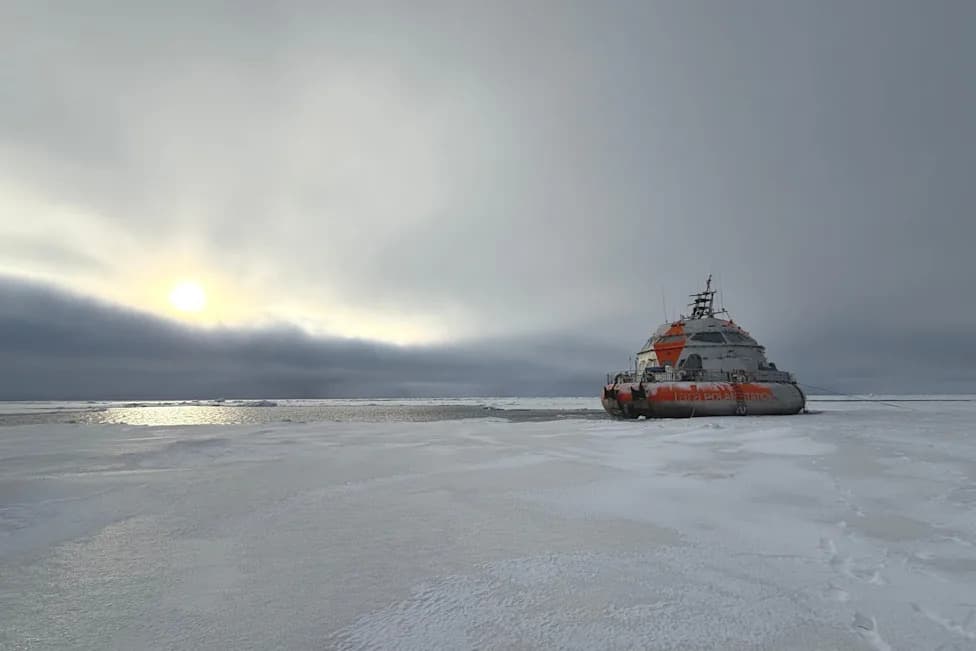
The Korea Polar Research Institute deployed the unmanned submersible Ariari from the icebreaker Araon to directly observe hydrothermal vents about 1,300 meters beneath the Antarctic sea, roughly 1,200 km from Jangbogo Station. Ariari filmed active vents emitting fluids hotter than 300°C, mapped extensive copper‑ and zinc‑rich sulfide deposits, and collected 12 intact organisms — some possibly new species. The expedition marks a major step forward for Antarctic deep‑sea science and will inform follow‑up studies of biology, chemistry and mineralogy.
300°C Hot Springs Beneath Antarctic Ice: Unmanned Submersible Reveals New Deep‑Sea Ecosystems
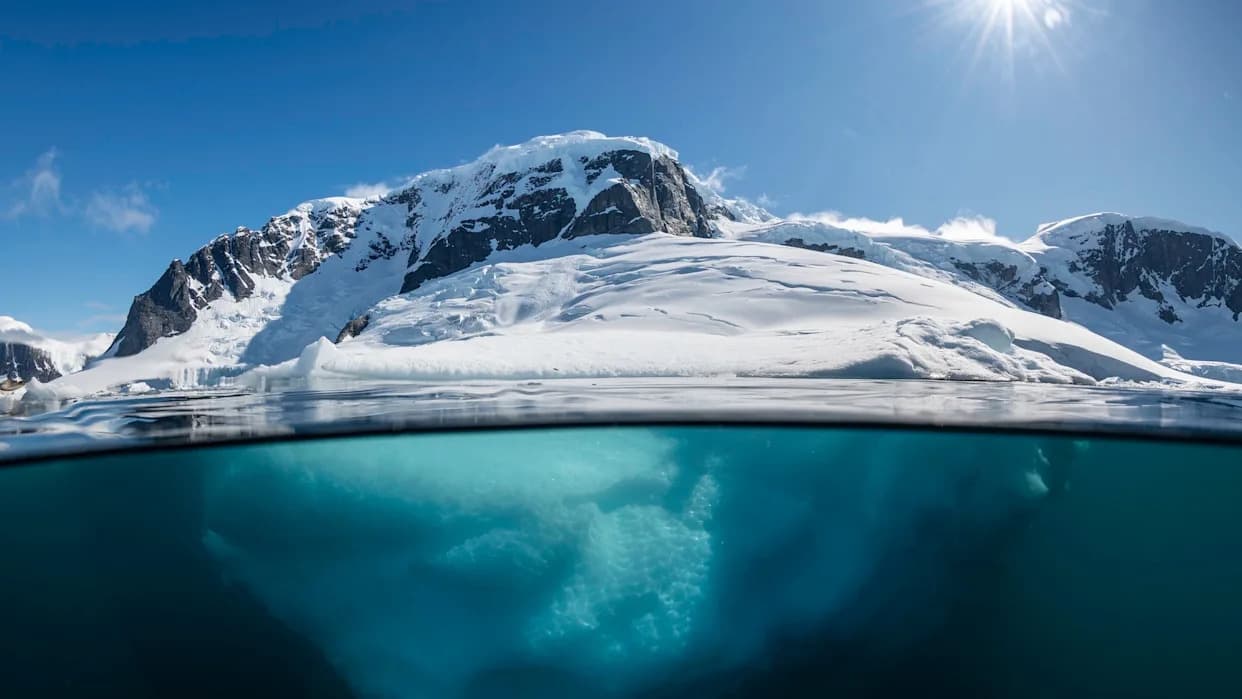
Iceberg underwater, Antarctica.
Beneath the frozen surface of the Antarctic Ocean, roughly 1,300 meters down, scientists have for the first time directly observed active hydrothermal vents and the unique ecosystems they support. The Korea Polar Research Institute (KOPRI) team, led by Principal Researcher Park Sung‑hyun, conducted the expedition aboard the icebreaking research vessel Araon and deployed the unmanned deep‑sea submersible Ariari to film, measure and sample the seafloor.
Direct Observation in a Remote Frontier
Antarctic surface waters hover near −1°C, but fractures in the ocean crust host hydrothermal vents that emit fluids hotter than 300°C. Because of the immense pressure at depth, these superheated fluids remain liquid as they rise and then mix quickly with the near‑freezing seawater, so the heat is highly localized and does not warm the broader ocean.
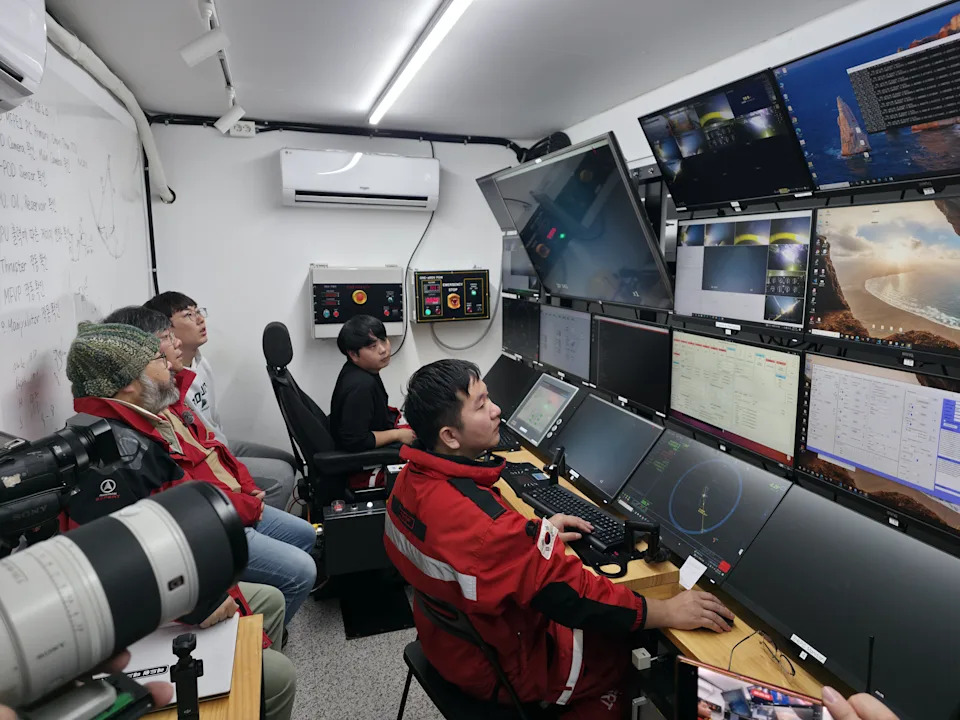
Research team conducting deep sea exploration using an unmanned submersibleImage: Korea Polar Research Institute
Why This Matters
Although hydrothermal vents have been studied since the 1970s in other oceans, direct, in situ observations in Antarctic waters have been rare due to extreme remoteness, sea ice, and logistical complexity. Prior Antarctic work relied heavily on indirect sampling (dredging and occasional camera drops), which limited the accuracy of ecological and geological data.
Robotics, Precision Sampling and New Discoveries
The Ariari submersible, developed in collaboration with a robotics firm and rated to 6,000 meters, descended to about 1,300 meters during the Araon expedition. Ariari recorded real‑time video of chimney structures venting superheated fluid, monitored temperature and chemical gradients, mapped mineral deposits, and used robotic arms and suction tools to collect carefully chosen biological and geological specimens.
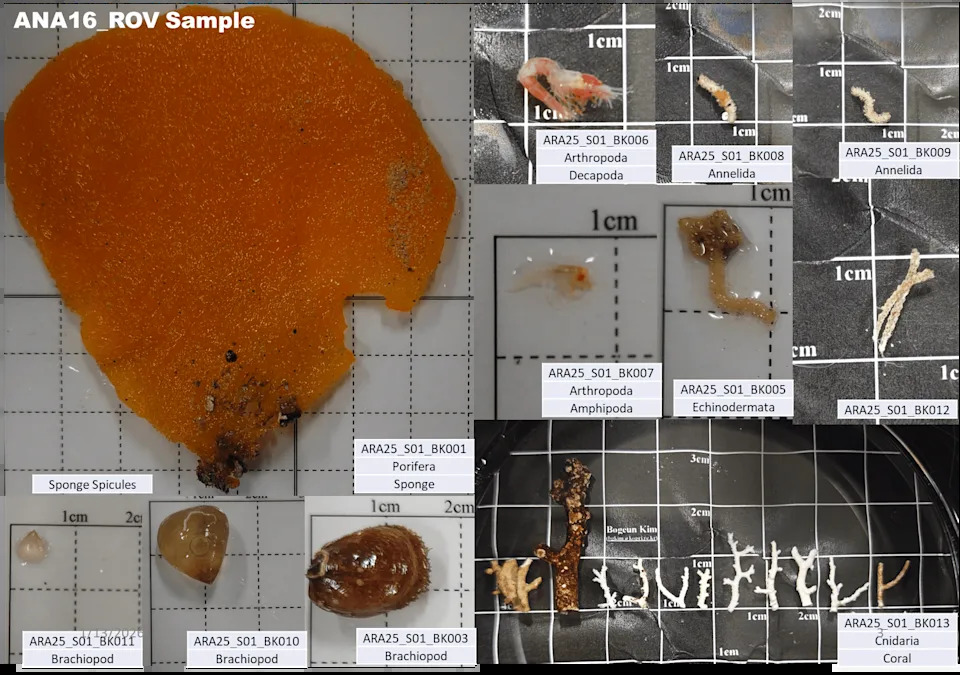
Collected biological specimens.Image: Korea Polar Research Institute
"Directly observing the deep‑sea hydrothermal environment on the Antarctic mid‑ocean ridge with an unmanned submersible is rare even on a global scale," said Principal Researcher Park Sung‑hyun.
Biological and Geological Findings
The team recovered 12 intact deep‑sea organisms — including cnidarians, sponges and echinoderms — some of which may represent species new to science. These communities are sustained by chemosynthesis: microbes break down hydrogen sulfide and methane from vent fluids to produce organic matter that supports higher organisms, many of which host symbiotic microbes.
Geologically, the researchers documented extensive sulfide ore fields rich in copper and zinc around the vents and recovered roughly 350 kg of mineral samples during earlier dredge operations. The new, targeted sampling promises higher‑quality biological specimens and more precise geochemical context than was previously possible.
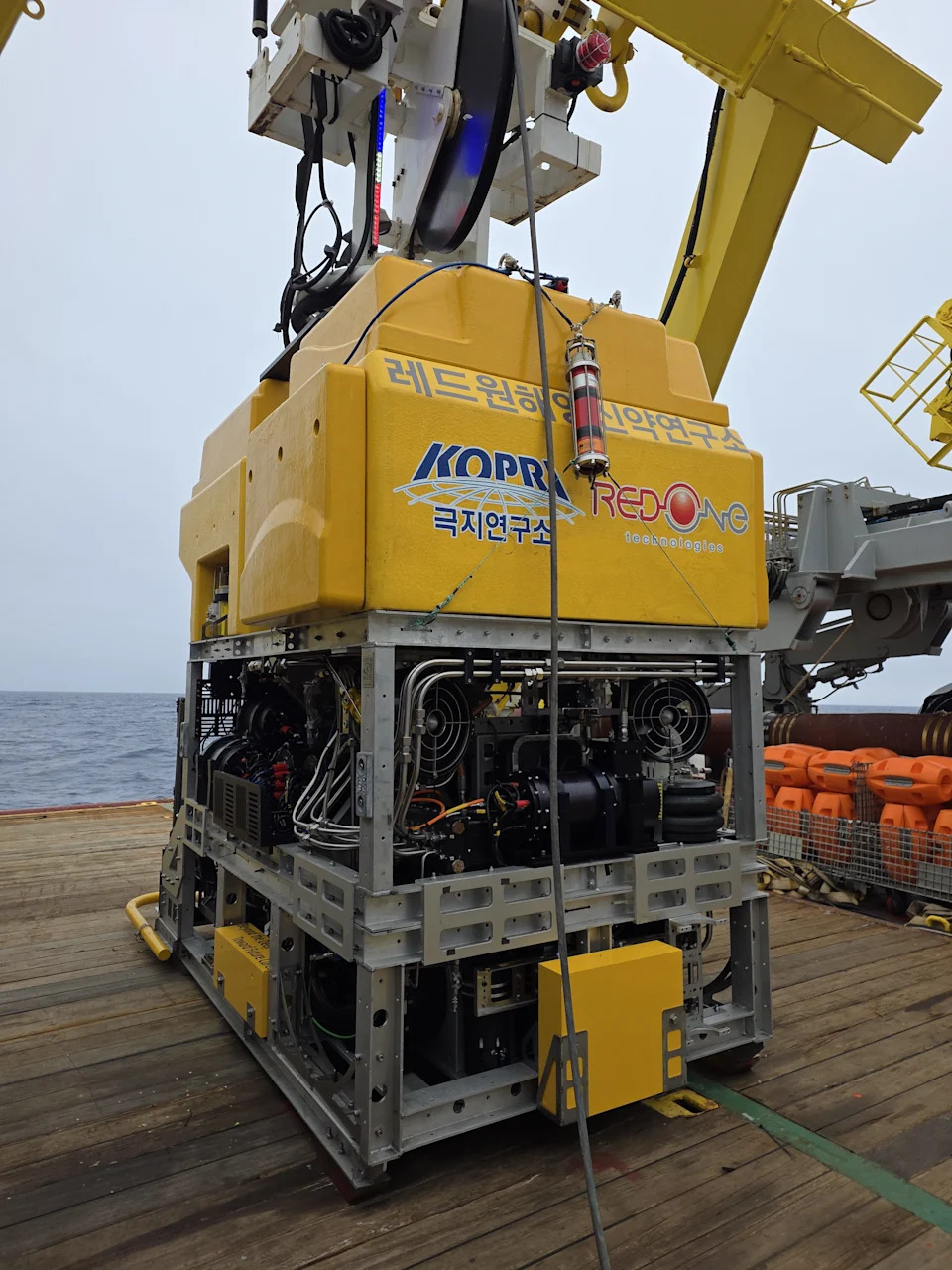
Unmanned Deep-Sea Vehicle Ariari.Image:Photo Korea Polar Research Institute
Challenges and Next Steps
Antarctic expeditions are logistically demanding: accessing remote sites can require weeks at sea, while submersible operations often last only days. By building local robotics capability and deploying Ariari from Araon, KOPRI reduced costs and increased operational control. Follow‑up laboratory analyses will investigate the taxonomy of collected organisms, microbial symbioses, and the geochemistry of vent fluids and ores.
Significance
This first‑of‑its‑kind in situ documentation in Antarctic waters expands our understanding of how isolated deep‑sea ecosystems form and adapt to extreme conditions. The findings also highlight Antarctic mid‑ocean ridges as sites of both scientific importance and mineral richness, underscoring the need for careful study and conservation.
Report Courtesy: Korea Polar Research Institute (KOPRI). Story produced in partnership with Popular Science Korea.
Help us improve.