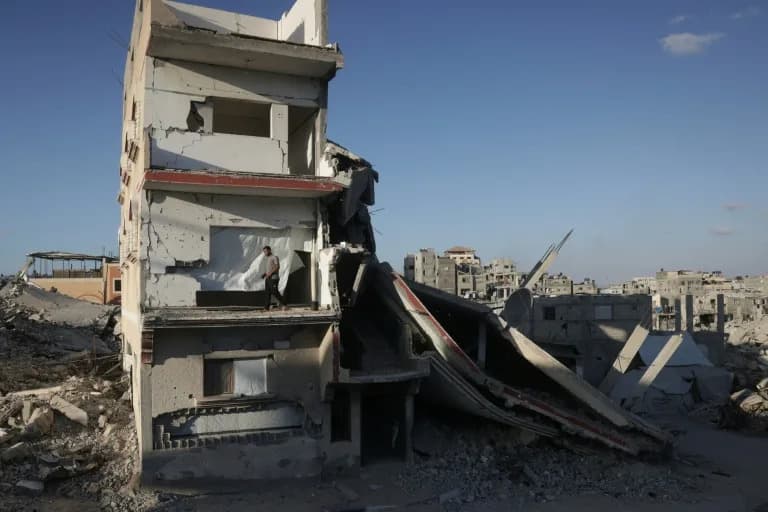
Humanity & Inclusion UK warns that amputations in Gaza — already at unprecedented levels — may increase due to restrictions on medical supplies, prosthetics and international specialists. The WHO estimates 5,000–6,000 amputations as of early October 2025, among roughly 42,000 people with life-changing injuries from the two-year conflict. With only nine prosthetists remaining and aid deliveries unpredictable, rehabilitation and training are severely constrained, raising concerns about long-term mobility and care.
NGO Warns Gaza Amputee Numbers Could Surge as Israeli Aid Restrictions Hamper Care
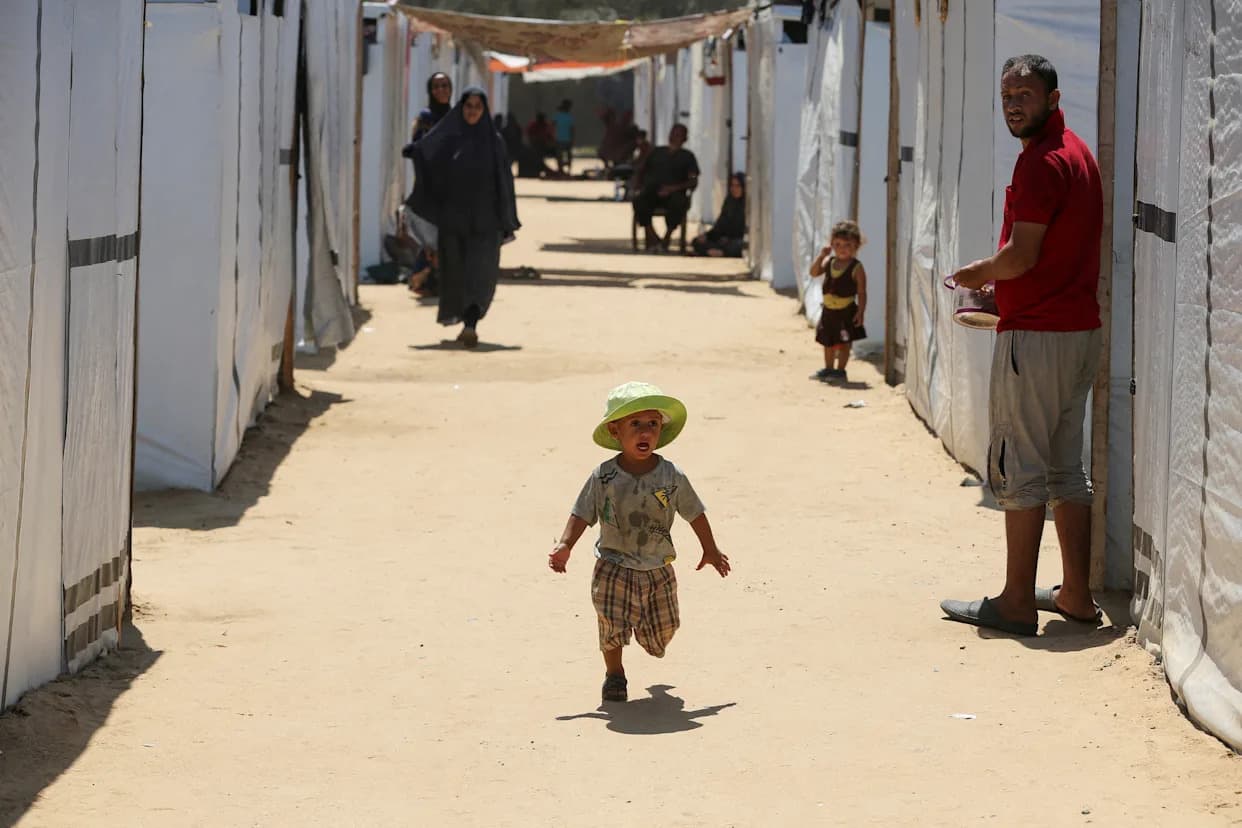
A displaced Palestinian boy runs in a tent camp designated for people with special needs, amid Israel's genocidal war, in Deir el-Balah, Gaza, on August 8, 2024 [Hatem Khaled/Reuters]
Humanity & Inclusion UK has warned that the number of amputees in Gaza — already at record levels — could rise further as restrictions on medical supplies, prosthetics and specialist access persist. The organisation said the scale of amputations carried out in Gaza has reached “unprecedented” levels and described the broader situation as a humanitarian catastrophe.
"Without immediate improvements in access to materials, technical expertise, and patient mobility, the number of amputees, and the severity of their conditions, will continue to rise," Humanity & Inclusion UK said.
The World Health Organization estimates that between 5,000 and 6,000 people in Gaza had undergone amputations as of early October 2025, when a ceasefire was agreed between Israel and Hamas. Those amputees are among roughly 42,000 Palestinians who have sustained life-changing injuries during the two-year conflict.
Aid Bottlenecks Undermine Rehabilitation
Six months after the ceasefire, conditions remain dire. Humanity & Inclusion UK says the entry of humanitarian supplies into Gaza is highly unpredictable and that all materials are subject to approval by Israeli authorities. The organisation itself has been prevented from delivering prosthetics and related items since February 2025.
With critical components in short supply and only nine prosthetists currently working in Gaza, local services are under "immense pressure," the group reported. Entry restrictions have also barred international specialists from entering the territory to train and expand local rehabilitation teams — a gap that risks worsening long-term outcomes for amputees.
Casualties and Everyday Risks
The casualty toll continues to rise even after the ceasefire. The United Nations reports that more than 700 Palestinians have been killed since October 2025 and about 2,000 more injured, citing Palestinian Ministry of Health figures. UN Human Rights Chief Volker Türk said basic movement has become a "life‑threatening activity," noting that incidents of Palestinians killed while walking, driving or standing outside are recorded nearly every day.
Humanitarian experts warn that without sustained and predictable access to supplies, parts and specialist training, Gaza faces a growing crisis of disability and long-term dependency for thousands of people who need prosthetic care and rehabilitation.
Help us improve.