Survivor accounts and rights groups report a rising pattern of sexual violence, forced nudity and degrading searches in the occupied West Bank, carried out by some settlers and soldiers. A West Bank Protection Consortium report found that over 70% of displaced families interviewed cited sexual threats as a decisive reason to flee. Documented incidents include community attacks, strip-searches at checkpoints, and alleged sexual abuse in detention, prompting calls for independent investigations and better support for survivors.
Reports Say Sexual Violence Is Being Used To Intimidate Palestinians In The West Bank
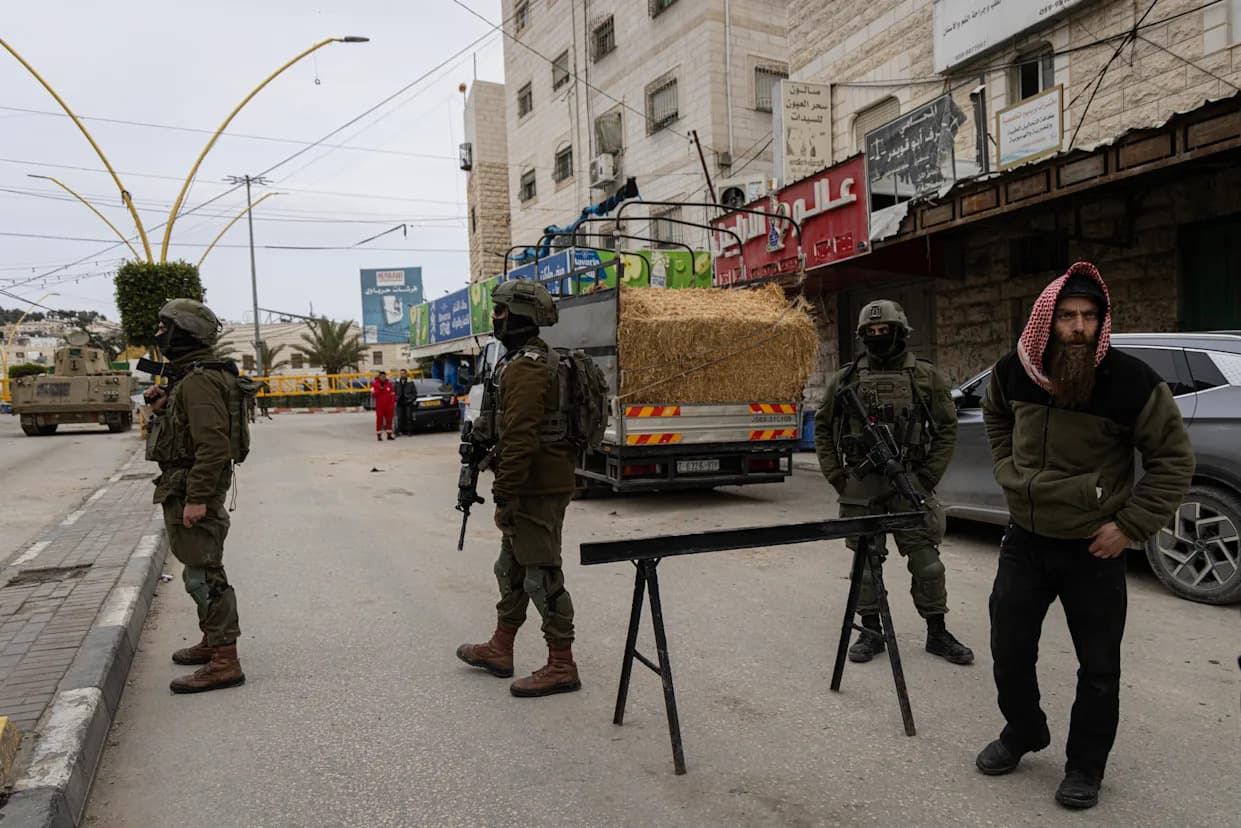
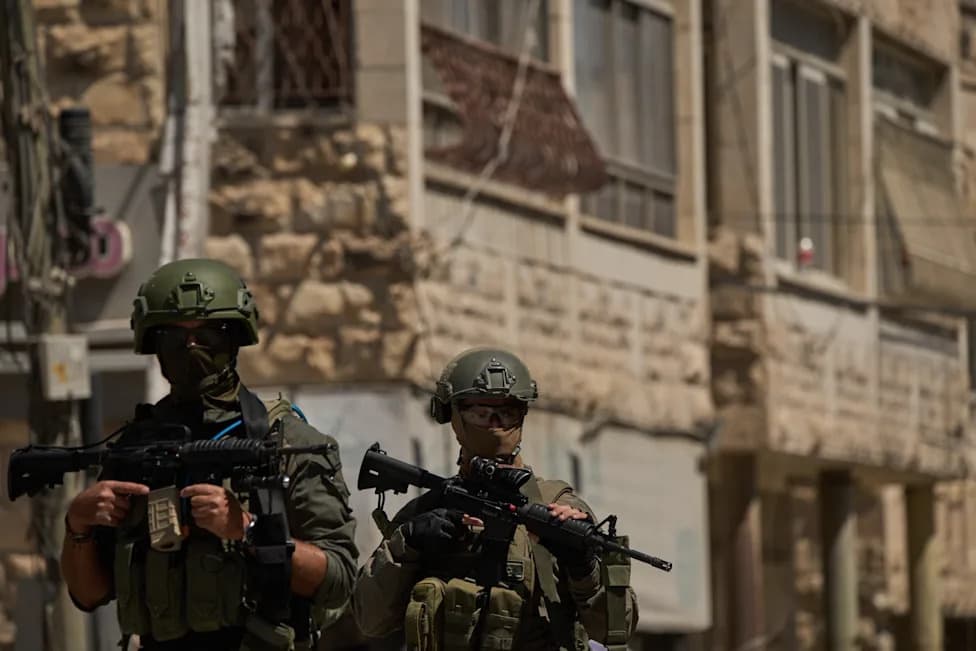
Israeli soldiers stand in front of a military checkpoint set up at one of the entrances to the Jabal Johar area on January 21, 2026 in Hebron [File: Faiz Abu Rmeleh/Getty Images]
Ramallah, occupied West Bank — Survivors, rights groups and monitoring bodies say sexual violence, forced nudity and degrading searches have become an increasingly common tactic used by some settlers and soldiers in the occupied West Bank to intimidate Palestinians and push families from their homes.
Attack In Khirbet Hamsa al-Fawqa
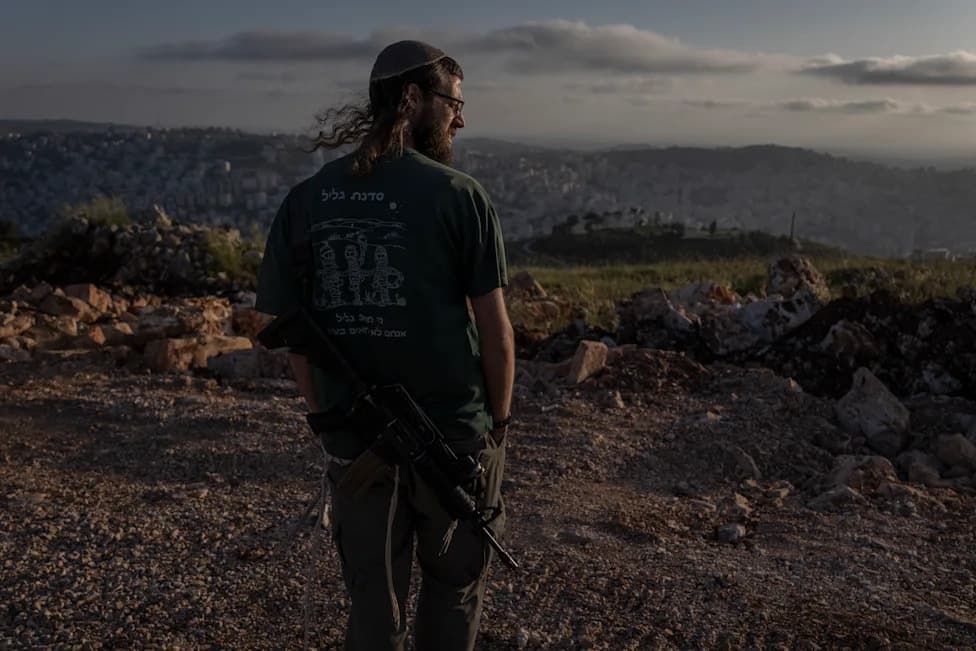
On the pre-dawn hours of March 13, witnesses say more than 70 settlers attacked the Bedouin community of Khirbet Hamsa al-Fawqa in the Jordan Valley. Qusay Abu al-Kabash, 29, told Al Jazeera that five attackers entered his tent while he slept, beat him with hands and sticks, and assaulted two foreign female activists who were also present.
“The settlers then forcibly removed my pants while tying my hands and feet… They beat my genitals, tied my limbs with zip ties and humiliated me,” Qusay said, describing an assault that lasted roughly 45 minutes and ended with him dragged along the ground and left injured.
Other Reported Incidents
Witnesses said children and other residents were beaten and threatened with death if they did not leave immediately. Residents also reported the theft of hundreds of livestock during the assault.
In another incident, Abeer al-Sabbagh, 60, said she was strip-searched by female soldiers during an army-authorized visit to Jenin refugee camp on April 13. Abeer described being ordered to remove her clothes and said the experience left her deeply humiliated.
Documentation By Rights Groups
On April 20, the West Bank Protection Consortium — led by the Norwegian Refugee Council and supported by the European Union and several states — published a report, Sexual Violence and Forcible Transfer in the West Bank, documenting conflict-related sexual violence across nearly three years. The consortium recorded forced nudity, invasive searches, rape threats and other sexual harassment, and found that more than 70% of displaced families interviewed cited threats against women and children, particularly sexual violence, as decisive in fleeing their homes.
Other human-rights organisations have reported similar patterns. In December 2024, B’Tselem documented numerous testimonies of degrading searches, humiliation and mistreatment in southern Hebron. A Human Rights Watch report (August 2024) also described torture and sexual violence in detention facilities.
Allegations From Detention Facilities
Multiple detainee testimonies describe sexual assault and severe physical abuse in Israeli prisons. One high-profile case involved alleged sexual abuse at Sde Teiman prison; five soldiers were charged after footage emerged, though those charges were later dropped. Journalist Sami al-Sai from Tulkarem told Al Jazeera he was raped with a metal object during detention and left without medical care, describing lasting physical pain and psychological trauma.
Impact And Context
Observers and community leaders say these incidents are not confined to isolated events. Coordinators in Hebron and other areas report that sexual harassment is being used to intimidate Palestinians, especially in friction-prone zones such as the Old City of Hebron. The cumulative effect has reportedly led some women to stop working and some girls to drop out of school to avoid exposure to harassment.
Israeli authorities maintain that sexual violence by soldiers is the result of isolated incidents rather than official policy. Rights groups urge independent investigation, better documentation and support services for survivors, and stress that stigma and fear often prevent victims from reporting abuses.
What Survivors Say
“The psychological effects of the sexual assault on me far outweighed the physical impact,” Qusay said. “After the assault, I felt extremely angry and irritable, and I preferred to sit alone, distressed.”
Given the sensitivity and underreporting of sexual violence, rights monitors emphasize that the documented cases may represent only a portion of the actual incidents. They call for strengthened protections, transparent investigations and access to medical and psychological care for survivors.
Help us improve.