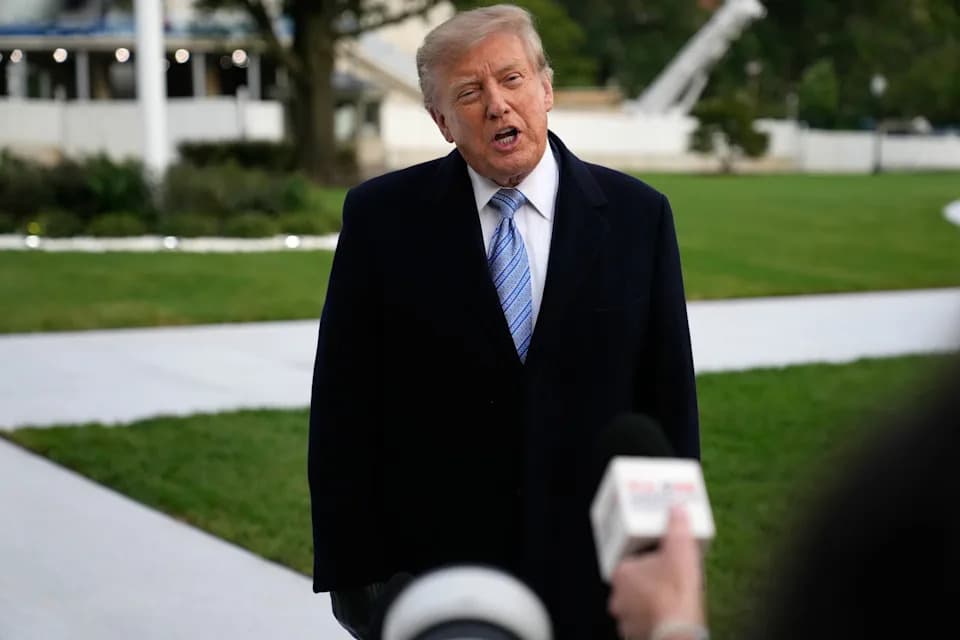
President Trump extended the ceasefire with Iran to allow time for a unified Iranian proposal, while uncertainty remains about Iran's willingness to attend talks in Islamabad. Attacks in the Strait of Hormuz and U.S. maritime interdictions of Iran-linked vessels have raised tensions. Regional actors urged restraint, sanctions and a naval blockade increased economic pressure on Tehran, and commercial shipping warned of serious disruptions to traffic and safety.
Trump Extends Ceasefire as Tensions Mount Over Iran Talks and Attacks in the Strait of Hormuz
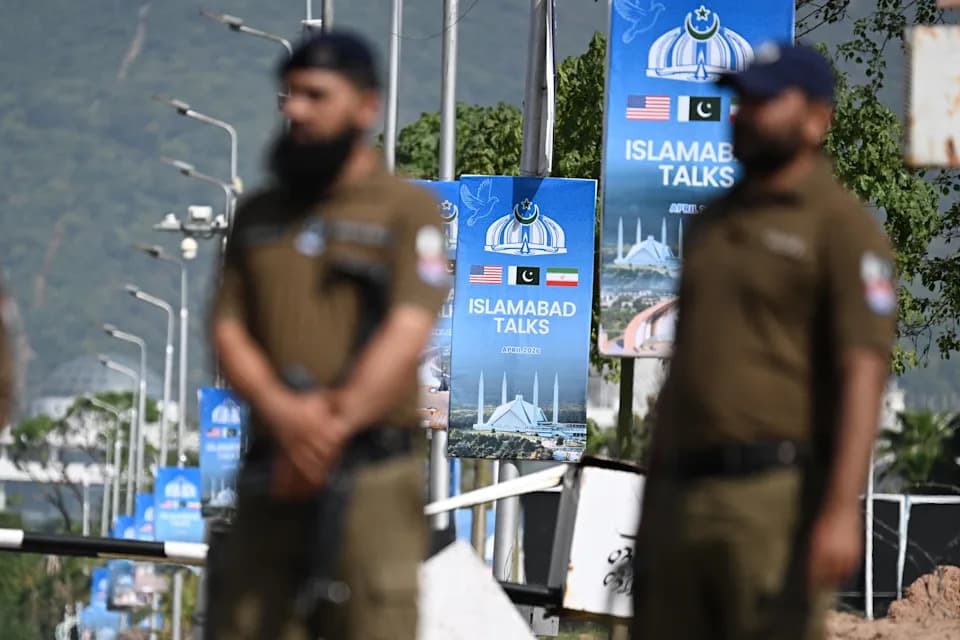
Security personnel stand guard at a checkpoint near the Serena Hotel in Islamabad, Pakistan, April 21, 2026, amid heightened security measures ahead of anticipated U.S.-Iran peace talks. / Credit: Aamir QURESHI/AFP/Getty
Follow the latest developments in the Middle East on Wednesday, April 22. Below is a clearer, organized account of events after President Trump announced an extension of the ceasefire with Iran and hostilities and diplomatic efforts continued to unfold.
Ceasefire Extended
President Trump announced on Tuesday that he would extend the two-week ceasefire with Iran "until such time as their leaders and representatives can come up with a unified proposal." The move reverses earlier signals that the ceasefire deadline would lapse. Mr. Trump said he expects a favourable deal and described Iran as being in a weakened financial position that should push Tehran toward negotiations.
Diplomatic Track And Pakistan
Pakistan continues to mediate between the United States and Iran. Vice President J.D. Vance is expected to lead the U.S. negotiating team in Islamabad if in-person talks resume, though White House officials said Vance was staying in Washington for policy meetings. Pakistani mediators remain in contact with Iranian officials, but as of the report, Iran had not formally confirmed participation in upcoming talks.
Attacks In The Strait Of Hormuz
The United Kingdom Maritime Trade Operations centre reported two separate incidents in the Strait of Hormuz. Iran's Islamic Revolutionary Guard Corps (IRGC) fired on a container ship, which the UK agency said had not been hailed before being shot at; no casualties were reported. Shortly afterward, a second cargo vessel reported it had been fired upon and was stopped in the water, with no immediate reports of damage.
U.S. Naval Blockade And Maritime Interdictions
The U.S. imposed a naval blockade on Iranian ports on April 13. U.S. forces have seized or interdicted Iran-linked vessels, including the Iranian-flagged cargo ship Touska (which U.S. forces said they fired on and captured after it allegedly tried to bypass the blockade) and the stateless, sanctioned oil tanker M/T Tifani, which was boarded in the Indo-Pacific region. U.S. Central Command said it has ordered 28 ships to turn back since the blockade began.
Economic Pressure And Sanctions
Treasury Secretary Scott Bessent warned that Iran's export capacity is being squeezed and threatened sanctions on third parties that help Tehran move oil and finances. The Treasury recently targeted entities such as Mahan Air for alleged links to Iran's Qods Force. President Trump and the administration insist the blockade and sanctions are designed to pressure Iranian leadership into negotiations.
Regional And International Responses
China warned the Middle East is at a "critical juncture" and urged all parties to avoid a return to hostilities. The UAE denied it needs external financial backing after Mr. Trump suggested a possible currency-swap, stressing its substantial sovereign assets and reserves. Pakistan urged both sides to consider extending the truce to allow diplomacy to work.
Other Fronts: Lebanon, Israel, And Intelligence
Despite a separate ceasefire between Israel and Hezbollah, Lebanese state media reported an Israeli strike in the Bekaa region that killed one person and wounded two. Israel accused Hezbollah of attacking forward positions in southern Lebanon. Separately, the Mossad chief disclosed that an agent involved in Iran operations was killed abroad in 2023, highlighting the ongoing intelligence dimension of the conflict.
Claims And Accusations
Both Washington and Tehran accused the other of violating the ceasefire: the U.S. pointed to Iranian attacks on commercial shipping and militia activity, while Iran charged that the U.S. naval blockade and the seizure of vessels are breaches of the truce. Public messaging from President Trump included warnings that bombing could resume if talks fail and appeals — asking Iranian leaders to release women reportedly facing execution — though some claims cited in social media posts remain unverified by independent outlets.
Maritime Safety And Commercial Impact
Commercial operators are reacting to the heightened risk: Maersk advised ships to avoid the Strait of Hormuz, maritime tracking services showed significant reductions in visible traffic, and commercial risk firms warned of fraudulent messages demanding cryptocurrency fees for "safe passage." The paralysis in the strait is disrupting global energy flows and trade, increasing pressure on diplomatic channels to restore stability.
Outlook: The extended ceasefire buys time for diplomacy, but attacks in the Strait of Hormuz, naval interdictions, and ongoing accusations of violations mean the situation remains fragile. The coming days will determine whether negotiations in Pakistan proceed and whether diplomatic pressure can prevent a renewed escalation.
Help us improve.