Former Labor Secretary Lori Chavez-DeRemer resigned amid an internal probe after reports alleged she asked aides to buy sauvignon blanc, stored alcohol at work, encouraged young staffers to "pay attention" to relatives, had an affair with a security team member, and used official travel for personal visits. Her departure is one of three recent Cabinet exits and comes amid continued turnover: Brookings finds roughly one-third of the White House "A Team" have left since January last year. Analysts say a preference for personal loyalty has reduced public infighting but has not fully prevented high-profile removals.
Another Trump Official Resigns Amid Scandal — Labor Secretary Lori Chavez-DeRemer Steps Down
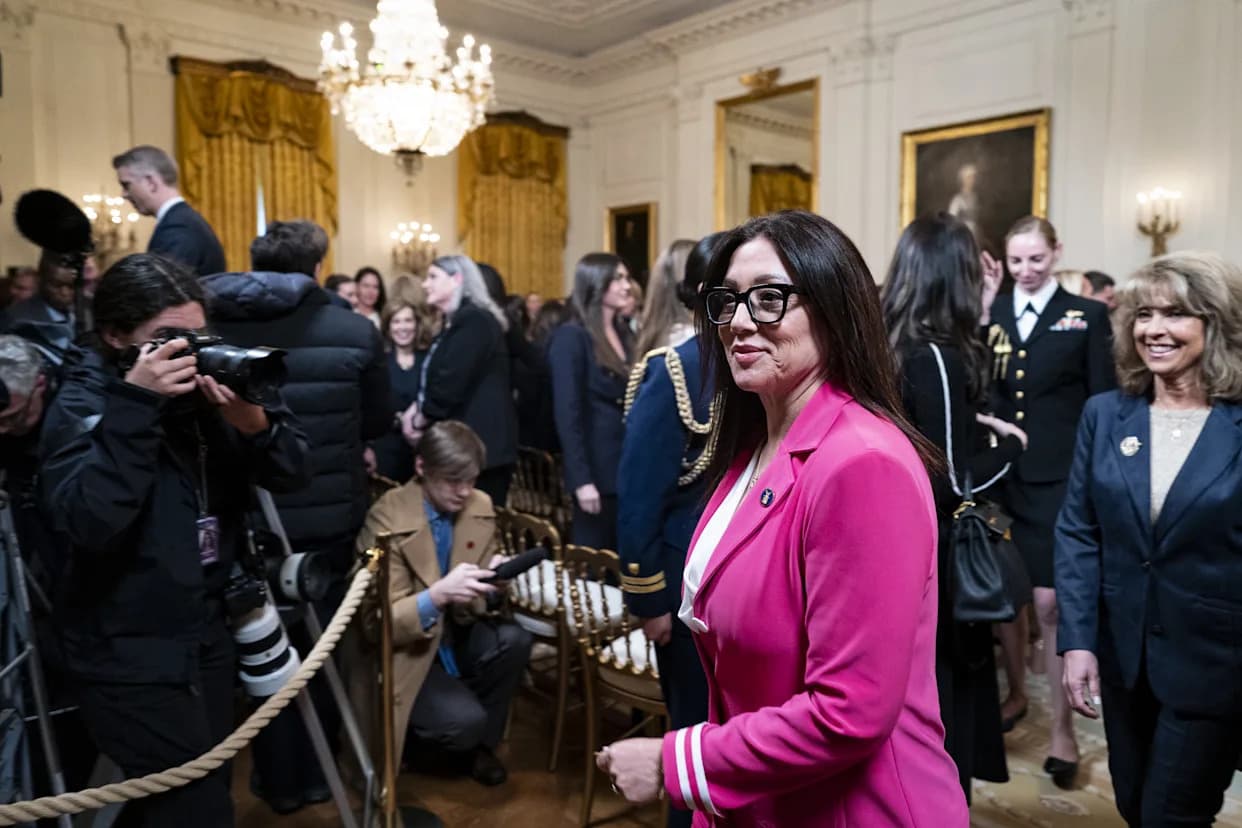
Former Department of Labor Secretary Lori Chavez-DeRemer departs a Women's History Month event in the East Room of the White House on March 12, 2026. | Al Drago/Getty Images
Former Labor Secretary Lori Chavez-DeRemer resigned Monday amid an internal investigation into alleged misconduct that, according to reports, ranged from asking staff to buy bottles of sauvignon blanc on work trips to keeping alcohol in her office and engaging in a relationship with a member of her security detail.
Allegations and Resignation
The resignation follows multiple allegations that Chavez-DeRemer encouraged young female staffers to "pay attention" to her father and husband, used official travel for personal visits, and in one report had an affair with a security team member. The details remain allegations pending the outcome of the inquiry; Chavez-DeRemer announced her resignation while the investigation was underway.
How This Fits a Broader Pattern
While the particulars of the case are notable, the larger pattern is familiar: across both of President Donald Trump’s terms, a string of senior nominees have later left amid controversies or clashes with the president. In recent weeks, three Cabinet-level officials have departed or been forced out — a reminder that turnover remains a defining feature of Trump administrations.
Turnover Numbers
Analysis by the Brookings Institution shows roughly a third of the White House "A Team" — the most senior Executive Office staff — have left since January of last year. Of those departures, eight were promoted and 22 either resigned or were pressured out. Current turnover is estimated at about 20% in the Cabinet and 32% among top executive staff, an improvement from the first term when the A-team turnover was roughly 92% and 14 Cabinet members left.
Why Turnover Has Changed
Observers say the second-term stabilization reflects a deliberate staffing choice: prioritizing personal loyalty over institutional credentials. Reuters described the early 2024 hiring search bluntly that the prime quality sought was "unquestioning loyalty." That has reduced some high-level policy clashes but has not insulated even friends and longtime associates from removal; past examples include figures who fell from favor despite personal ties to the president.
Notable Names: Past departures such as Rick Perry, Betsy DeVos and Rex Tillerson are reminders that high-level exits can be dramatic and consequential. Recent departures and rumored shake-ups continue to draw attention to the administration’s personnel strategy.
Whether measured in percentage points or headlines, turnover remains a salient feature of the presidency — and in this case, one more exit will likely be remembered as much for the bizarre details as for the policy consequences. And yes, some observers have noted, a few will ruefully pour out a glass of "sauvi B."
Help us improve.