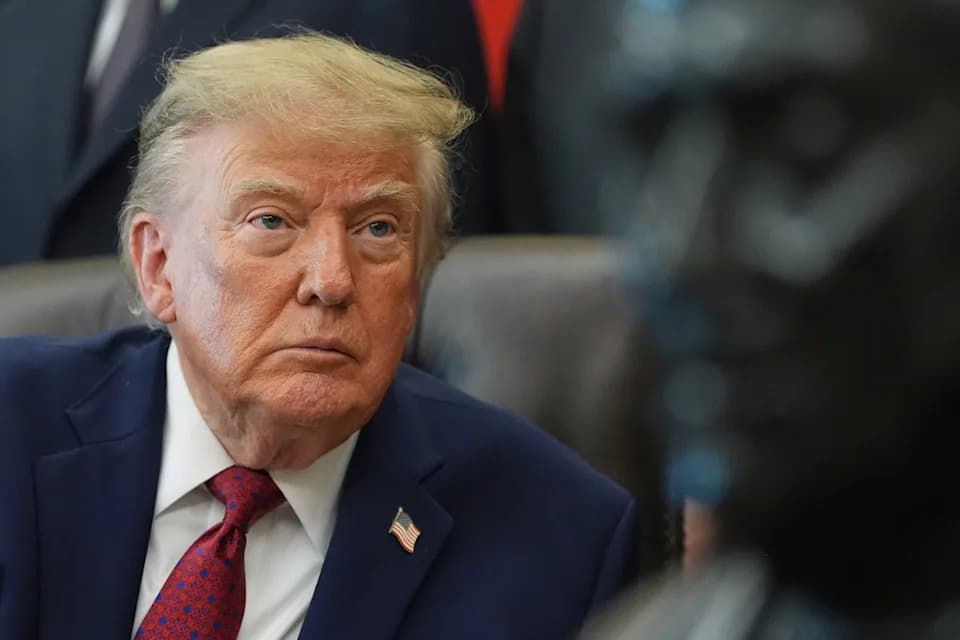
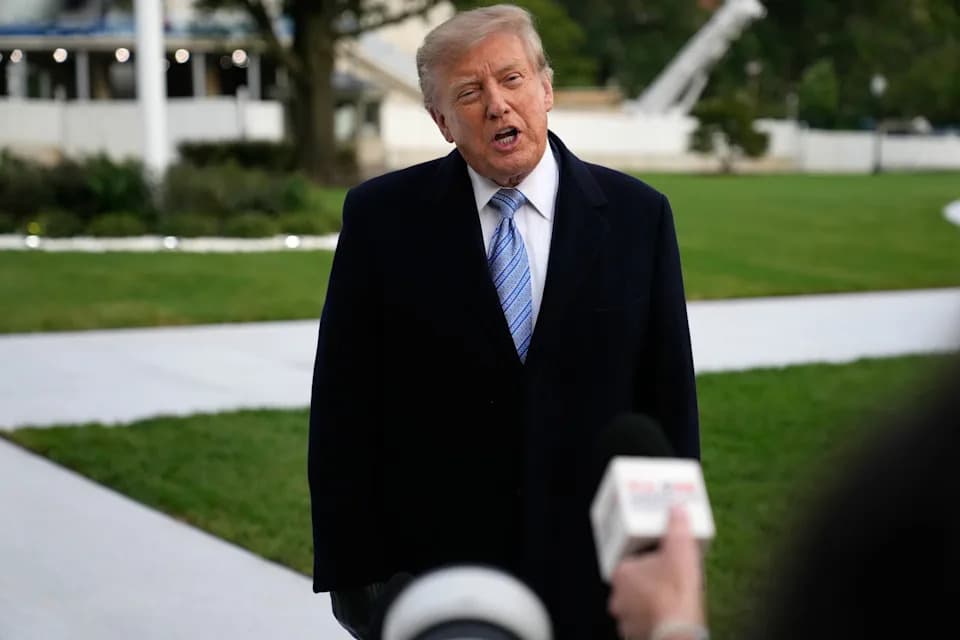
President Trump said the Iran war is "very close to over" as U.S. officials and mediators, led by Pakistan, press for a new round of talks during a two-week ceasefire. The U.S. has implemented a maritime blockade that Tehran disputes and has warned could prompt broader disruptions to global shipping lanes. Heavy fighting and strikes have caused civilian casualties in Lebanon, while markets rallied on hopes for de-escalation even as sanctions and naval operations continue.
Trump Says Iran War 'Very Close To Over' as Mediators Press For New Talks
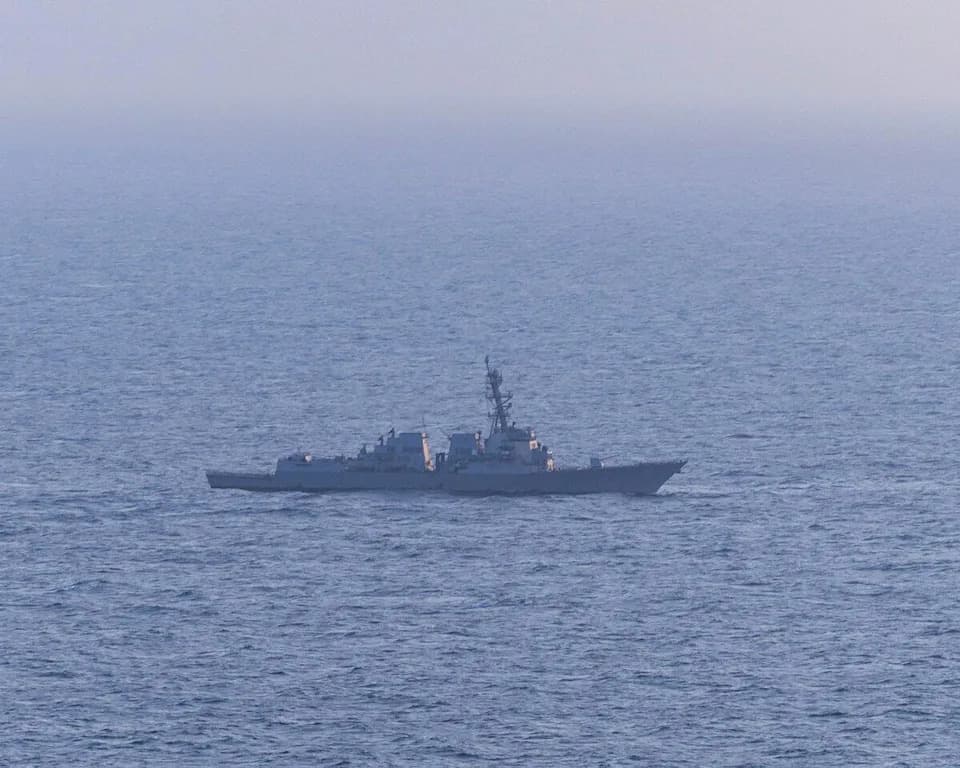
An Iranian-flagged cargo vessel tried to evade the U.S. blockade on Tuesday in the Strait of Hormuz, CENTCOM said Wednesday. / Credit: CENTCOM
President Donald Trump expressed renewed optimism that the conflict with Iran could soon end, saying the war is "very close to over" as diplomats and intermediaries push for another round of negotiations during a two-week ceasefire. Pakistan has again taken a central mediation role, relaying messages between Washington and Tehran while both sides continue indirect exchanges.
Maritime Blockade and Iranian Response
The U.S. Central Command (CENTCOM) says a maritime blockade of Iranian ports has been fully implemented and that multiple vessels were turned back. Iran disputes Washington's claim that sea trade has been "completely halted," and Iranian commanders warned they could expand attacks to other shipping lanes — including the Red Sea and the Bab el-Mandeb Strait — if the blockade persists.
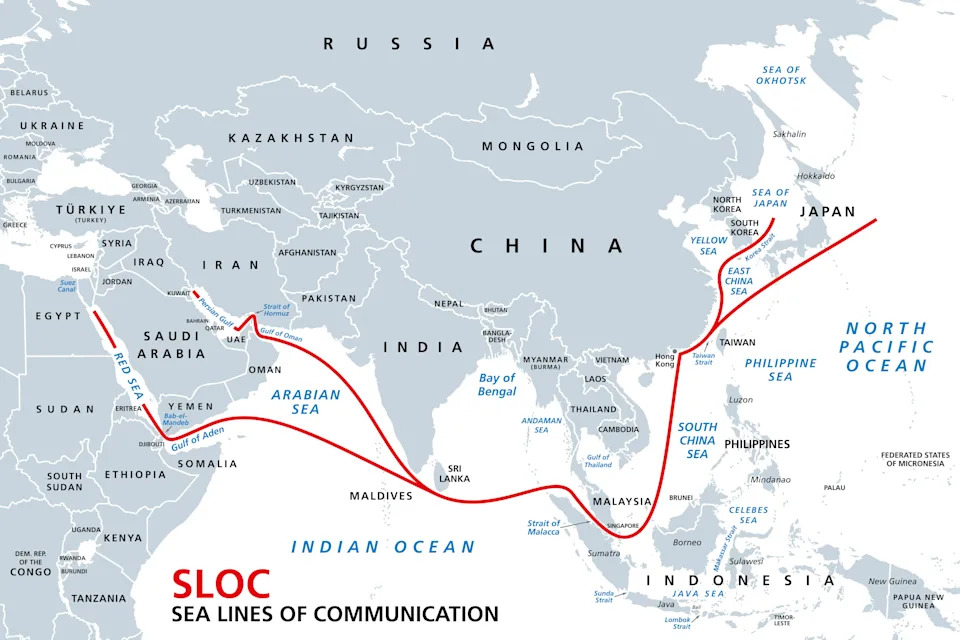
A map shows major routes for energy resources and other trade from the Middle East to Asia, including the Bab el-Mandeb strait and the Strait of Hormuz. / Credit: Getty/iStockphoto
Human Cost: Strikes In Lebanon
Violence continues on multiple fronts. Lebanese health officials and paramedic groups said Israeli strikes hit three different rescue teams in the southern village of Mayfadoun. Initial reports said several medics were killed and many wounded; Lebanon's health ministry later clarified that three paramedics were killed, six were wounded and one remained missing. Lebanese authorities condemned the strikes as violations of international law; the Israeli military said it was "looking into" the incidents.
Diplomacy, Allies, And Global Reactions
U.S.-facilitated diplomacy has produced the first direct contacts between Israeli and Lebanese envoys in decades and Washington says Israeli and Lebanese leaders will speak as part of efforts to reduce hostilities. China’s foreign minister urged Iran to reopen the Strait of Hormuz to ensure freedom of navigation, while President Trump said China agreed not to send weapons to Iran — a claim Beijing has not publicly confirmed.
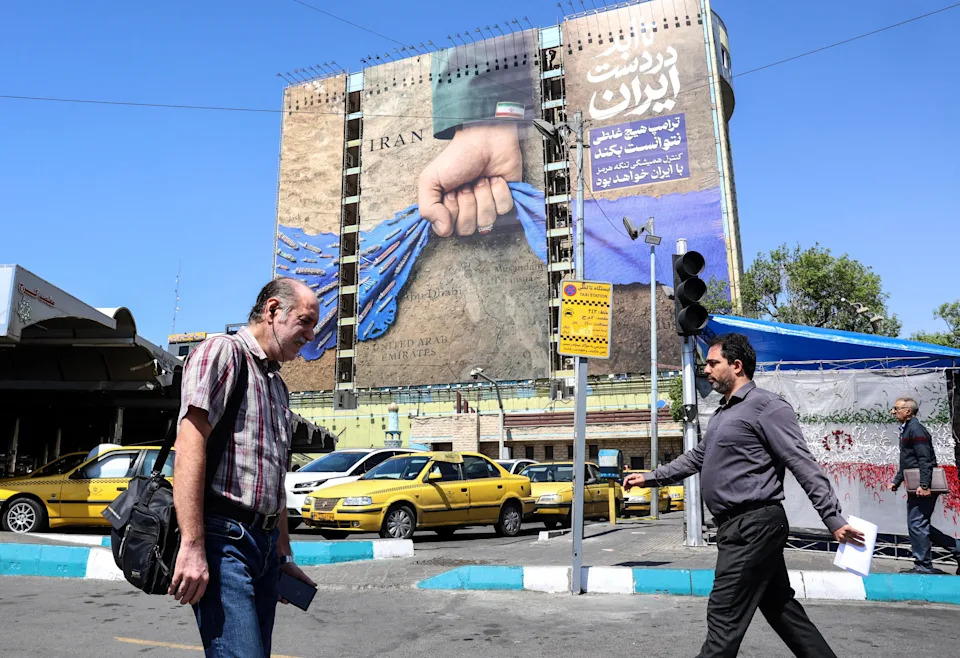
Iranians walk past a large billboard referencing the Strait of Hormuz in Tehran's Vanak Square, April 15, 2026. / Credit: AFP via Getty
Military Posture And Sanctions
The U.S. maintains naval patrols in the Gulf of Oman and the Arabian Sea and warned vessels that attempt to breach the blockade they could be boarded, interdicted or seized. The USS Gerald R. Ford set a post-Vietnam record for deployment length amid operations tied to Venezuela and the Iran campaign. The U.S. Treasury also announced sanctions targeting alleged Iranian oil-smuggling networks and entities tied to an "oil-for-gold" scheme with Venezuela.
Markets, Humanitarian Aid And Political Fallout
Markets reacted to diplomatic signals: the S&P 500 and Nasdaq reached record highs as investors priced in hopes of de-escalation and easing oil prices. The U.N. allocated $12 million from its Global Emergency Fund to aid civilians in Iran. Meanwhile, political relations with NATO partners and the pope have become strained: Mr. Trump publicly criticized Pope Leo and some NATO members for perceived lack of support.
Where Talks Stand
U.S. officials say indirect dialogue with Iran is ongoing but no agreement on a ceasefire extension or a permanent settlement has been reached. Iranian officials say the release of frozen Iranian assets (Qatar says it holds about $6 billion) and lifting sanctions are part of talks, but Tehran emphasizes any return of funds is a right, not a concession. Pakistan continues shuttle diplomacy, and senior Pakistani military and political figures have traveled to Tehran to maintain momentum.
Key takeaway: Diplomacy and deterrence are moving in parallel — both sides are signaling willingness to negotiate while military forces and economic pressure remain in place, leaving the region fragile as the ceasefire’s deadline approaches.
Help us improve.