The DRC and the AFC/M23 rebel coalition resumed mediated talks in Switzerland and signed an interim peace-monitoring mechanism to track humanitarian and security developments with MONUSCO support. Fighting has persisted since early 2025, with M23 seizing major cities including Goma and Bukavu. Human Rights Watch warns that civilians in South Kivu’s highlands face a worsening humanitarian crisis, and observers say the mechanism’s impact will hinge on enforcement and humanitarian access.
DRC and M23 Sign Interim Peace-Monitoring Pact as Talks Resume in Switzerland
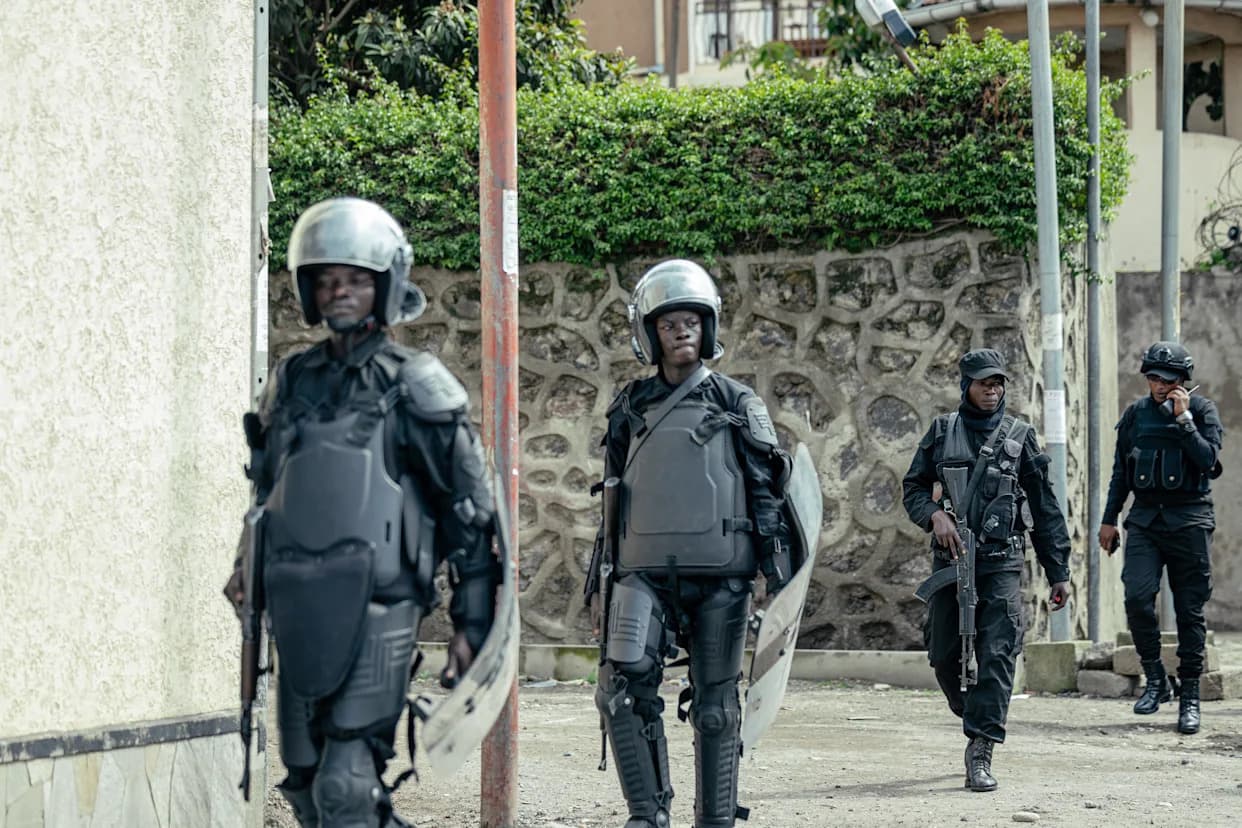
M23 rebels wear riot gear as they stand guard in a street in Goma, DRC [File: Jospin Mwisha/AFP]
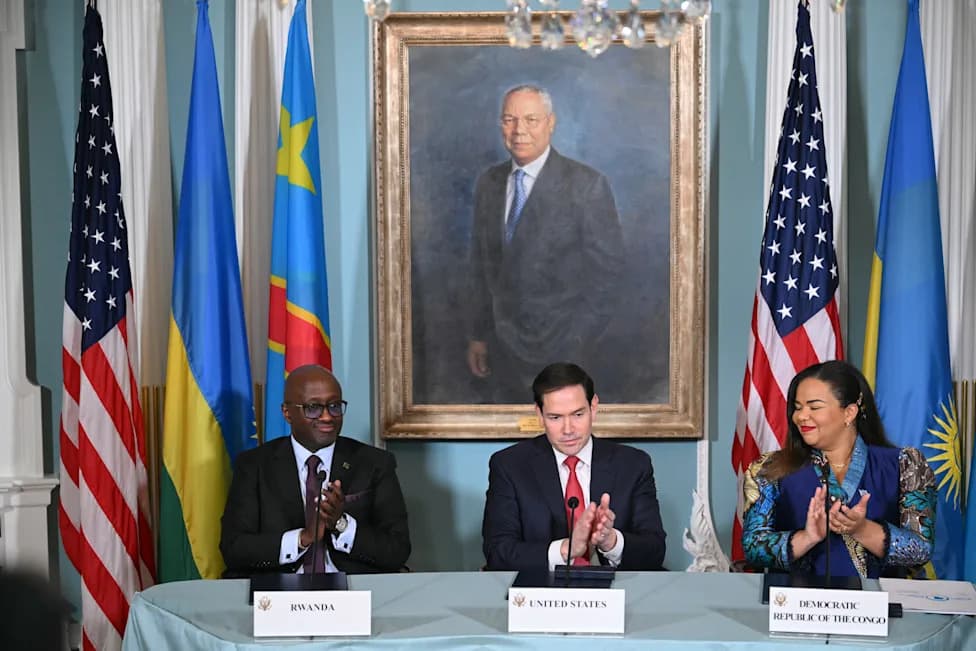
The Democratic Republic of the Congo (DRC) and the AFC/M23 rebel coalition have resumed talks in Switzerland, mediated by the United States and Qatar, in a renewed effort to halt deadly clashes that have continued despite a December peace accord signed in Washington, D.C.
What the Agreement Covers
According to Radio France Internationale (RFI), negotiators signed an interim peace-monitoring mechanism designed to track humanitarian needs, security developments and alleged ceasefire violations. The body will include representatives from both the Congolese government and the armed coalition, operating with support from the United Nations Organization Stabilization Mission in the Democratic Republic of the Congo (MONUSCO).
Fragile Ground
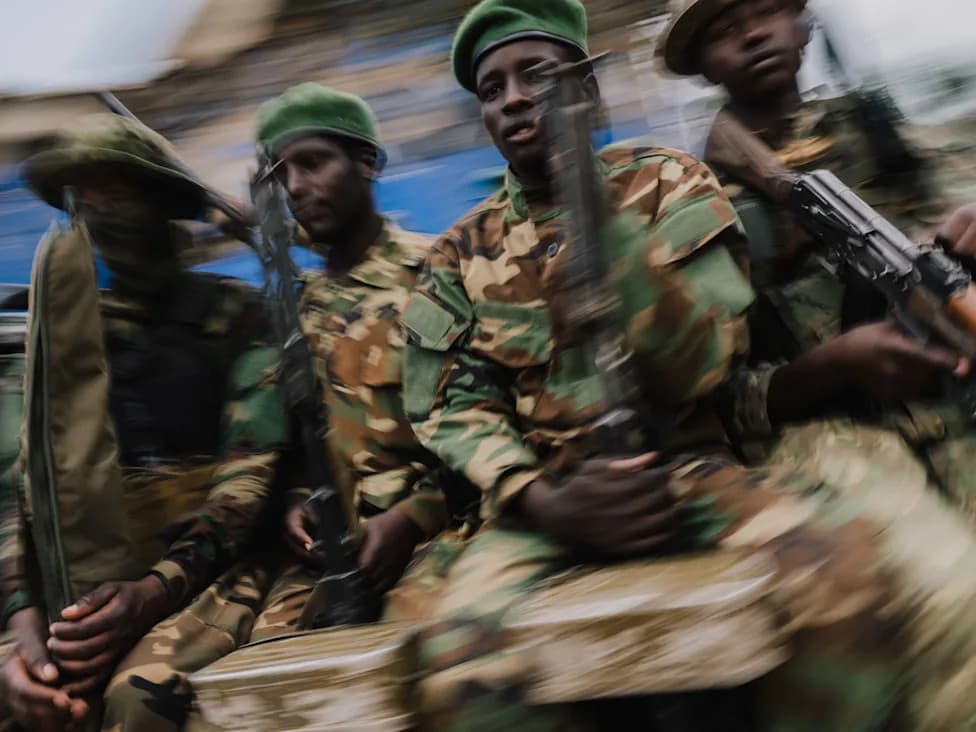
Al Jazeera correspondent Alain Uaykani, reporting from Goma in eastern DRC, said the talks are unfolding amid a fragile security environment. Both sides accuse one another of breaching truce arrangements. In areas such as Minembwe in South Kivu province, thousands of civilians remain trapped amid fighting between multiple armed groups.
Territorial Gains and Ongoing Clashes
The AFC/M23 coalition has captured large swaths of territory in eastern DRC since early 2025, including the provincial capitals of Goma (North Kivu) and Bukavu (South Kivu). Clashes have continued — and in some cases flared soon after — the December peace and economic agreement signed by Congolese President Felix Tshisekedi and Rwandan President Paul Kagame. Rwanda has been accused by critics of providing support to M23, an allegation Kigali denies.
Humanitarian Concerns
Human Rights Watch said on Tuesday that warring parties have obstructed aid deliveries and prevented civilians from leaving the South Kivu highlands.
"Civilians in South Kivu’s highlands are facing a dire humanitarian crisis and live in fear of abuses by all parties," said Clementine de Montjoye, Senior Great Lakes Researcher at Human Rights Watch. "More attention is needed for this vastly underreported conflict or this bad situation will get even worse."
As mediators press for implementation of the new mechanism, international observers warn that monitoring alone will not end violence unless parties allow humanitarian access and abide by ceasefire commitments.
Why it matters: The interim mechanism could improve documentation of violations and facilitate aid delivery, but its effectiveness will depend on mutual cooperation, credible verification, and backing from the international community.
Help us improve.