A team of archaeologists working with the Tz'utujil community discovered an intact Maya settlement beneath Lake Atitlán, preserved inside the lake's volcanic caldera. Divers documented platforms, house foundations and monuments about 51 feet below the current surface; radiocarbon and contextual dating place the site between 350 BC and AD 250. Artifacts were returned to the site and the team avoided renaming the ruins to respect local cultural sensitivities. The find suggests a larger network of submerged communities and highlights risks to heritage from changing water levels.
Intact Maya Settlement Found Preserved Under Guatemala’s Lake Atitlán, Dating to 350 BC
Photo Credit: iStock
A collaboration between archaeologists and the Indigenous Tz'utujil community has revealed an unusually well-preserved Maya settlement beneath Lake Atitlán in Guatemala’s highlands. The discovery, reported in March by Earth.com and detailed in a study published in the Journal of Maritime Archaeology, sheds new light on preclassic Maya occupation in the region.
How the Site Was Found
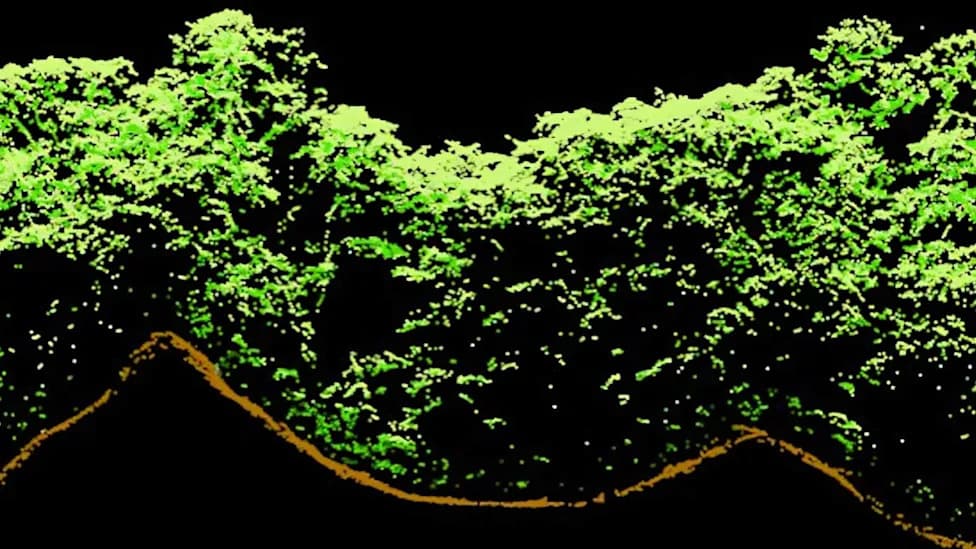
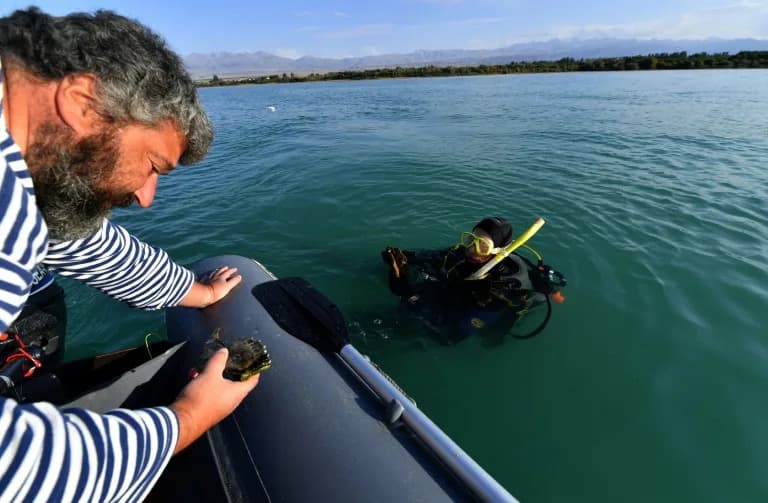
Researchers built on a 2022 survey that identified roughly 2.2 square miles of candidate areas across the lakebed. Divers subsequently canvassed those sections and documented platforms, house foundations and monuments that remain intact beneath the water.
Why It Survived
Lake Atitlán sits inside a volcanic caldera — a cauldron-like depression formed after a major eruption — which allowed water to submerge the settlement without destroying its stone-built features. The team recorded multiple indicators of an earlier ground surface about 51 feet below today’s lake level.
Dating and Context
Radiocarbon and contextual dating place the settlement between about 350 BC and AD 250, a period that corresponds with the Maya preclassic and early classic eras. The researchers say the site may be part of a broader network of once-occupied communities in the surrounding highlands.
Cultural Sensitivity and Conservation
From the start, the project emphasized partnership with the local Tz'utujil community. Out of respect for cultural values and local memory, researchers returned recovered artifacts to their original positions in the lake rather than remove them for display, and they avoided renaming the site — decisions the team described as intentionally anticolonial and community-centered.
Broader Implications
Shifting water levels driven by climate variability are increasingly exposing and threatening cultural heritage worldwide. While Lake Atitlán’s geology made this an intentional investigation, recent droughts in other regions have led to the unplanned exposure of burial grounds and archaeological remains. The discovery highlights both opportunities for new research and urgent conservation challenges.
Next steps: The research team plans further exploration, coordinated with the Tz'utujil community, to expand understanding of the submerged settlement and its regional connections while minimizing harm and preserving local trust.
Help us improve.