Benjamin Brière returned to France in 2023 after three and a half years detained in Iran and discovered he had missed four years of tax filings. A tax official's initial reaction prompted a public apology from France's tax authority (DGFiP), which said the case was later resolved and new measures introduced. Brière is campaigning for a special legal status for hostages to ensure better administrative and family support. Two other French detainees were also repatriated after lengthy detentions in Iran.
Freed From Iran, French Ex-Hostage Told He Hadn't Filed Taxes — Tax Office Apologises

Frenchman Benjamin Brière, pictured in May 2024, is campaigning for freed hostages to be given a special legal status to help them as they reintegrate into regular life. - Fabrice Coffrini/AFP/Getty Images
Benjamin Brière returned to France in 2023 after three and a half years detained in Iran, only to be told by tax authorities that he had failed to file four years of income tax returns. What began as a deeply personal ordeal — imprisonment, limited contact with family and lengthy sentences imposed by Iranian courts — was compounded on his return by a run-in with French bureaucracy.
In interviews with French outlets, Brière said he missed four consecutive annual tax declarations while imprisoned. When he tried to resolve the backlog, he recalled a tax official asking, "But why, sir? Even in prison you can do it." He answered, "Not in Iran," and said the official then questioned why his family had not filed on his behalf. Brière later told Journal du Net that during his first year of detention he had no contact with family; in the second year he was allowed roughly 15 minutes of phone time every four to six weeks, making it impossible to manage administrative responsibilities from prison.
Official Response and Wider Reaction
France's tax authority (DGFiP) described the initial exchange as "unacceptable" in a post on X and said the lack of support was "entirely contrary to our values." The DGFiP added that another regional official subsequently took charge of the case and that measures have been introduced to prevent a recurrence.
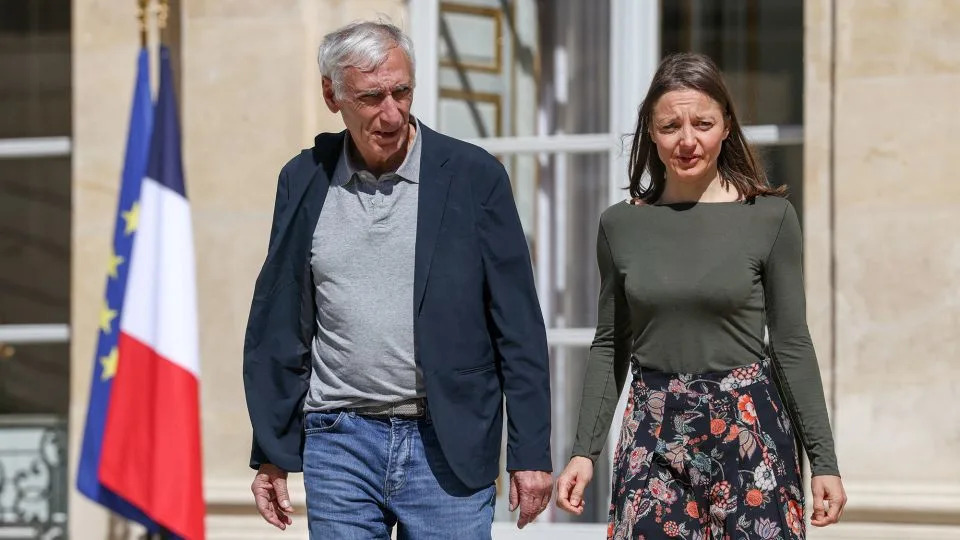
French citizens Jacques Paris and Cecile Kohler, who were freed by Iran after more than three years in detention, walk at the Elysée Palace in Paris on April 8. - Tom Nicholson/Reuters
The episode reignited public debate online about how the state supports citizens detained abroad. Some social-media users mocked the tax office's insistence that someone held in a foreign prison should still meet filing obligations. One X commenter joked: "Frankly, for the next hostages, we drop the diplomacy and the special forces. We send in a squad from the DGFiP that’ll bring back the taxpayer in a flash from any jail anywhere in the world."
Brière's Campaign And Broader Context
Brière is now campaigning for a special legal status for hostages to improve protections and administrative support for detainees and their families. He said the French government covered his hospital treatment after release but that there had been no official administrative assistance for his family during his detention or for him after his return.
Two other French citizens, Cécile Kohler and Jacques Paris, were repatriated to France in early April after more than three years detained in Iran. Kohler told reporters the pair had "lived daily horrors" at Tehran’s notorious Evin prison. Both Kohler and Paris were accused of spying and in October 2025 were handed lengthy sentences that the French government characterised as holding state hostages.
Context: Brière's case highlights the practical and moral complexities that can follow a hostage's return — from medical and psychological recovery to administrative entanglements — and has prompted calls for clearer, compassionate procedures for citizens freed after long detentions abroad.
Help us improve.