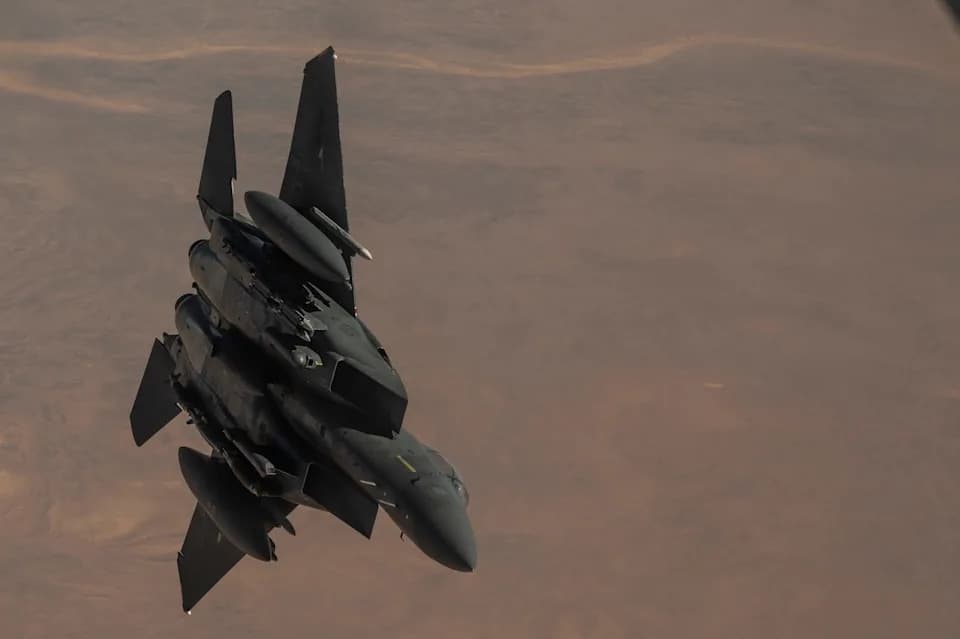
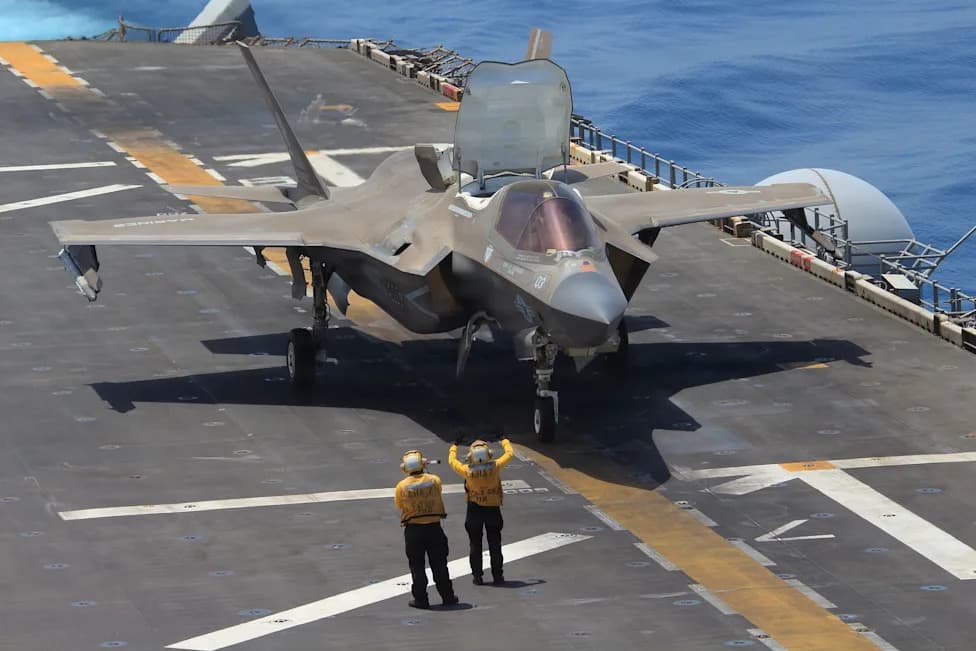
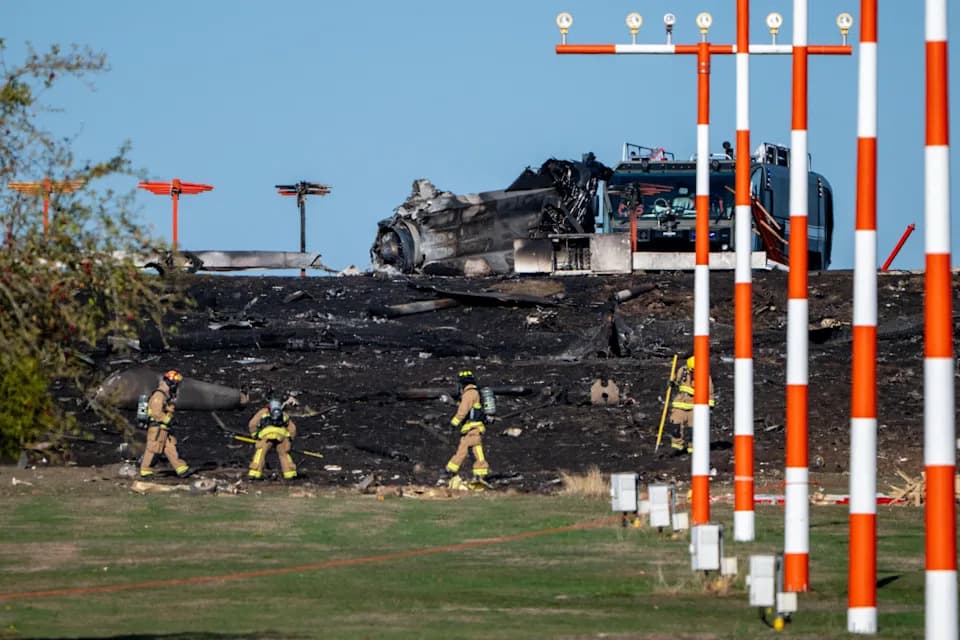
The F-15E crew had seconds to react after their aircraft was hit over Iran, forcing both airmen to eject and prompting a dangerous rescue in hostile territory. The ejection sequence is immediate and violent: the canopy is jettisoned, the seat rockets upward, and occupants can experience 14–20G before parachutes deploy. Training relies on simulation and muscle memory because real ejections are not practiced; modern seats yield high survival rates but significant injury risks, including spinal fractures in many cases.
Inside the Split-Second Escape: What Happens When an F-15E Crew Ejects Over Iran
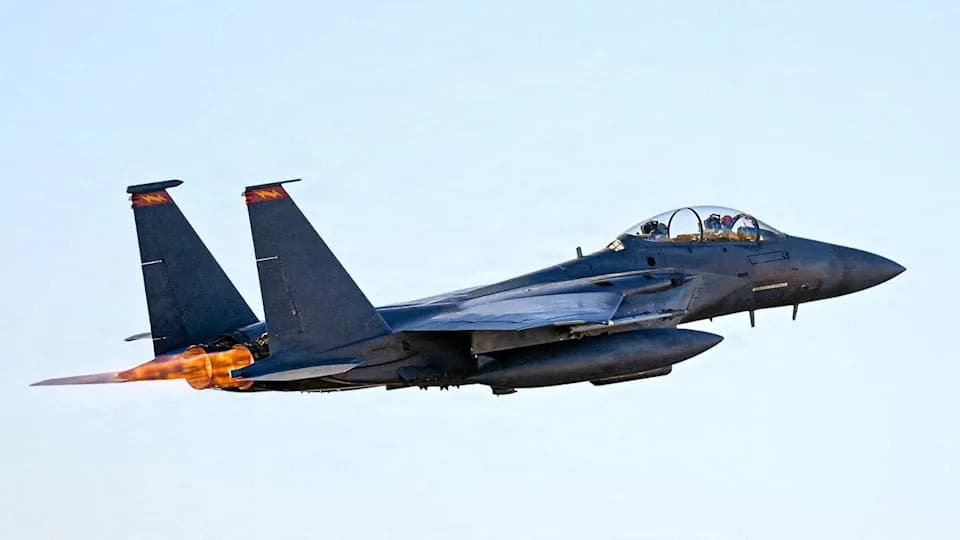
An F-15E Strike Eagle takes off for a combat flight in support of Operation Epic Fury during the Iran war at an undisclosed location on March 16, 2026.(Reuters)
The F-15E Strike Eagle that was struck over Iran forced both crew members to eject, triggering a rapid, high-risk recovery effort inside hostile territory. The ejection sequence is almost instantaneous and violently changes an ejection seat from a lifesaving system into an explosive escape mechanism that propels aircrew into open air before a parachute deploys.
The Ejection Sequence: Seconds That Decide Survival
When an aircrew member pulls the ejection handle, a tightly choreographed sequence begins immediately: the canopy is jettisoned, the seat rockets up the rail and the occupant is launched clear of the aircraft. The occupant experiences extremely high acceleration — typically between 14G and 20G — for a short duration. At those forces, a 200-pound person can momentarily feel like they weigh roughly 4,000 pounds.
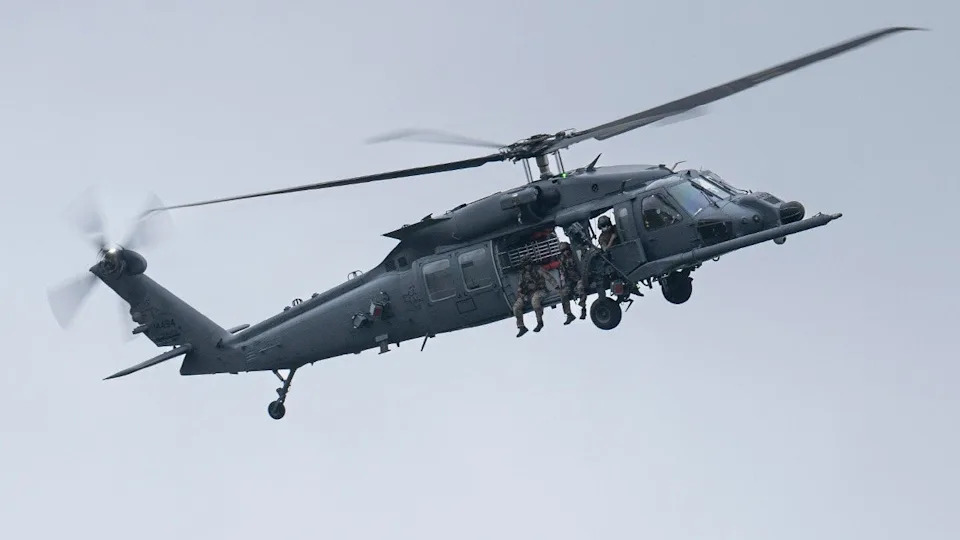
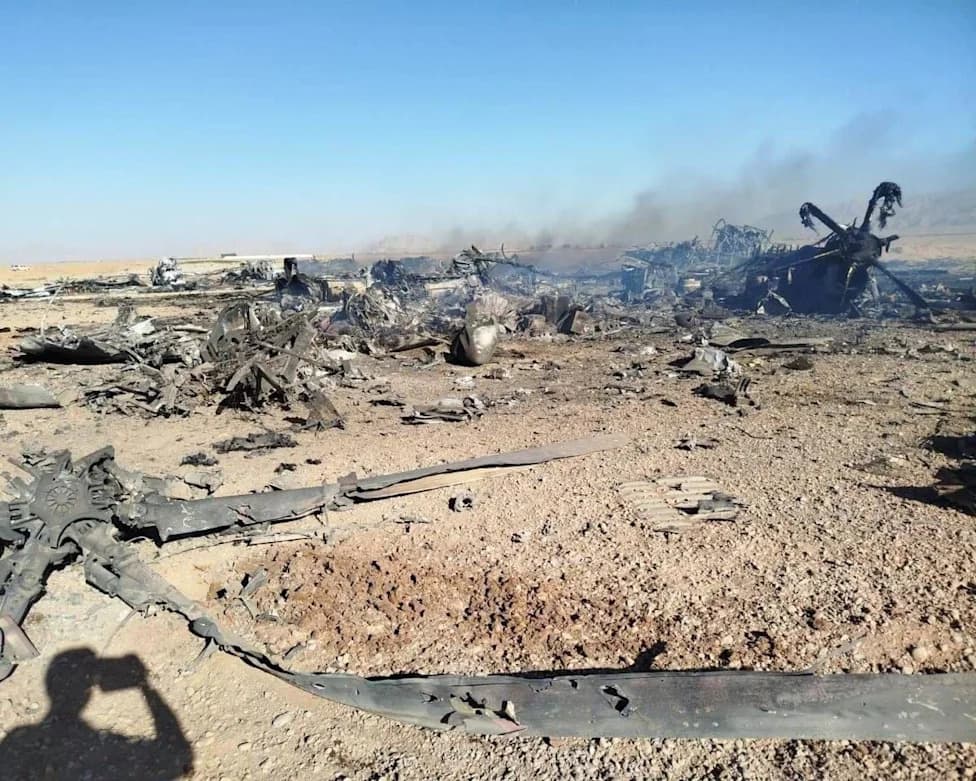
HH-60W Jolly Green II helicopters were involved in rescue efforts for a downed airman in Iran.
"You’re no longer a decision-maker," said Pete "Gunz" Gersten, a former F-16 pilot who flew special operations missions. "You’re a participant, and you’re on the ride."
After Ejection: Parachute, Landing and Danger
After the seat clears the aircraft and the parachute deploys, new hazards appear. Crewmembers must contend with wind blast, potential limb "flail" injuries if arms or legs are extended, and the uncertainty of where they will land — water, open ground, or rugged mountains. Landing injuries and spinal damage are common outcomes: studies show modern systems have a high survival rate but a substantial risk of serious injury.
Training: Muscle Memory for an Event You Never Practice
Pilots and weapon systems officers do not experience a full physical ejection in training. Instead, preparation includes classroom instruction on systems, simulator work, seat-rail launches that mimic acceleration, harness rigs to rehearse parachute descent, and practiced ground landings. The procedures are memorized because there is no checklist to consult while suspended under a canopy.
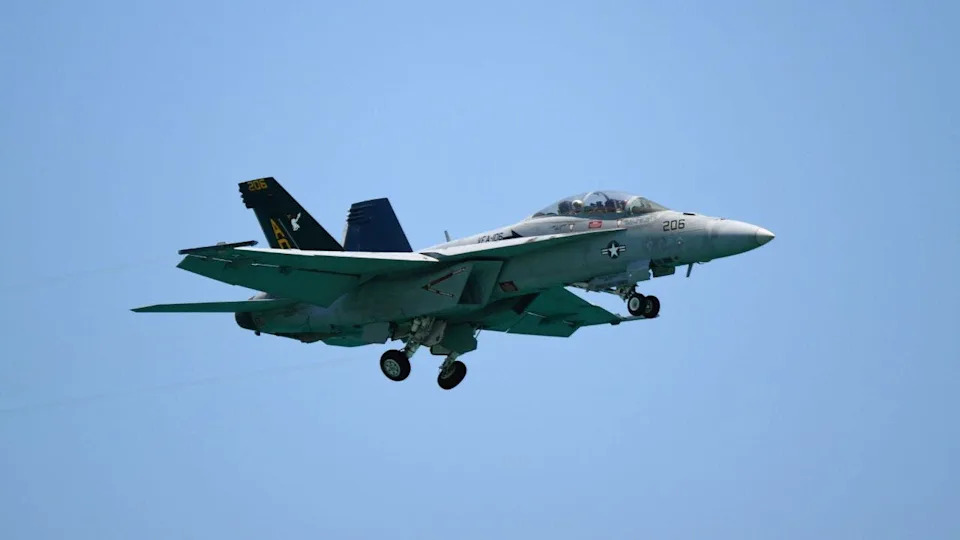
Pilots are trained to prepare for a wide range of scenarios — from water landings to mountainous terrain — each carrying its own risks.
The Rescue After the F-15E Strike
U.S. forces moved quickly after the F-15E was hit. The pilot was recovered by U.S. personnel later the same day; the weapons systems officer (WSO) evaded capture in hostile territory, treated his own wounds and was rescued two days later. In a public statement, former President Donald Trump described the WSO’s actions in dramatic terms, praising his resilience while he evaded Iranian-affiliated militia and traversed difficult terrain.
Survivability and Injury Risk
Modern ejection seats have greatly improved survivability: studies and military medical reviews estimate survival rates of roughly 90%–95%. However, injuries remain common. Research indicates up to 30% of ejected aircrew may sustain spinal fractures, and broader analyses find major injuries in about one-third of ejection events. Proper body position and bracing against the seat before ejection reduce—but do not eliminate—the risk.
Bottom line: Ejection is a violent, brief event that saves lives yet often causes significant injuries. Rapid search-and-rescue capability, effective survival training, and robust ejection systems together determine whether crew members survive and are recovered after an aircraft is lost in hostile airspace.
Help us improve.