More than 1,010 humanitarian workers were killed globally from 2023–2025, nearly three times the toll from 2020–2022, the U.N. said. Tom Fletcher called the trend a “collapse of protection” and highlighted heavy losses in Gaza and the West Bank, Sudan and South Sudan. He warned that aid staff also face detentions, bans and operational restrictions, and urged U.N. member states to enforce a May 2024 resolution demanding protection and accountability.
U.N.: More Than 1,000 Aid Workers Killed Over Three Years as Protection Collapses
FILE - The United Nations logo is seen inside the 79th session of the United Nations General Assembly, Tuesday, Sept. 24, 2024. (AP Photo/Pamela Smith, File)(ASSOCIATED PRESS)
More than 1,010 humanitarian workers were killed worldwide between 2023 and 2025—nearly triple the 377 deaths recorded from 2020–2022—according to the United Nations.
“This is not an accidental escalation — it is the collapse of protection,” U.N. humanitarian chief Tom Fletcher told the U.N. Security Council, urging member states to enforce international law and the May 2024 resolution that demands protection and accountability for attacks on aid workers.
Where Deaths Were Concentrated
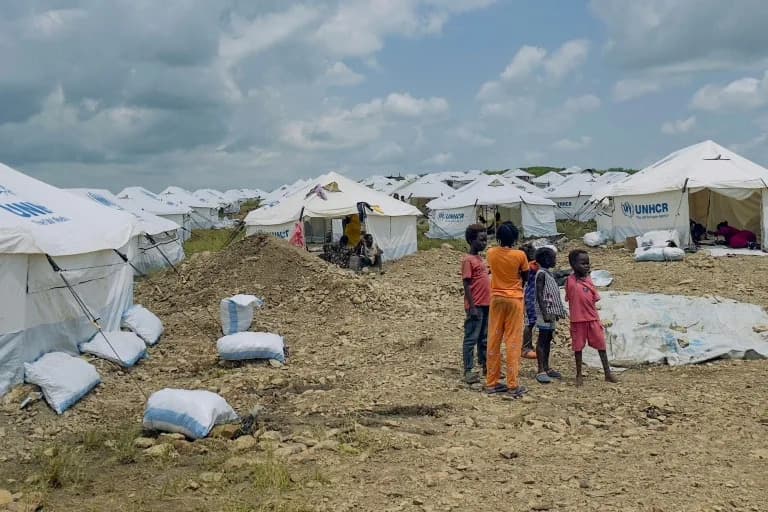
Fletcher said the fatalities are heavily concentrated in a handful of conflicts: more than 560 occurred in Gaza and the West Bank, roughly 130 in Sudan, about 60 in South Sudan, and roughly 25 each in Ukraine and the Democratic Republic of Congo. The dramatic rise in deaths coincided with the war between Israel and Hamas that began in October 2023. A ceasefire has been in effect since October 2025, but violence — including shootings and airstrikes — has continued.
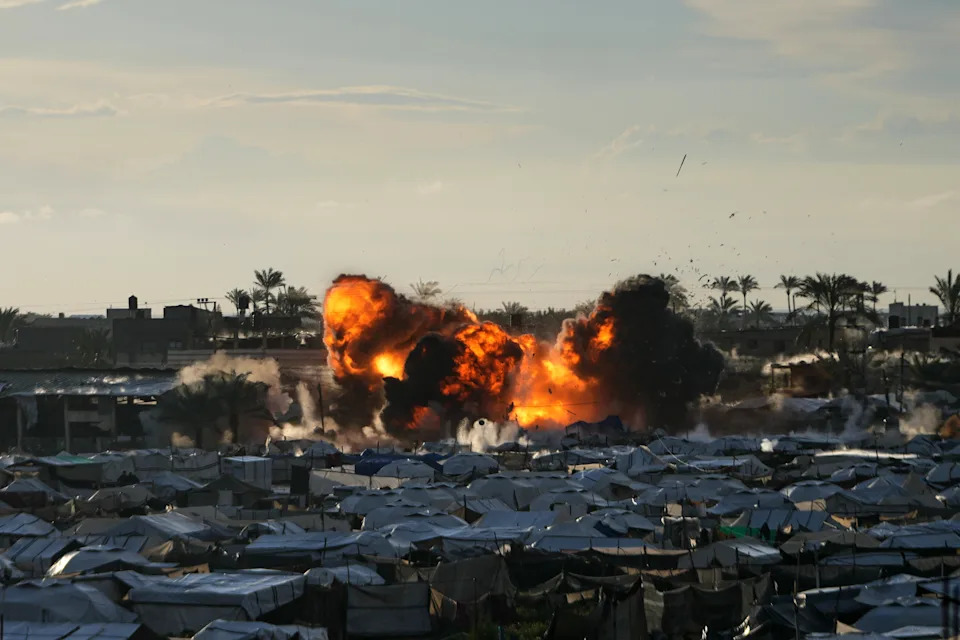
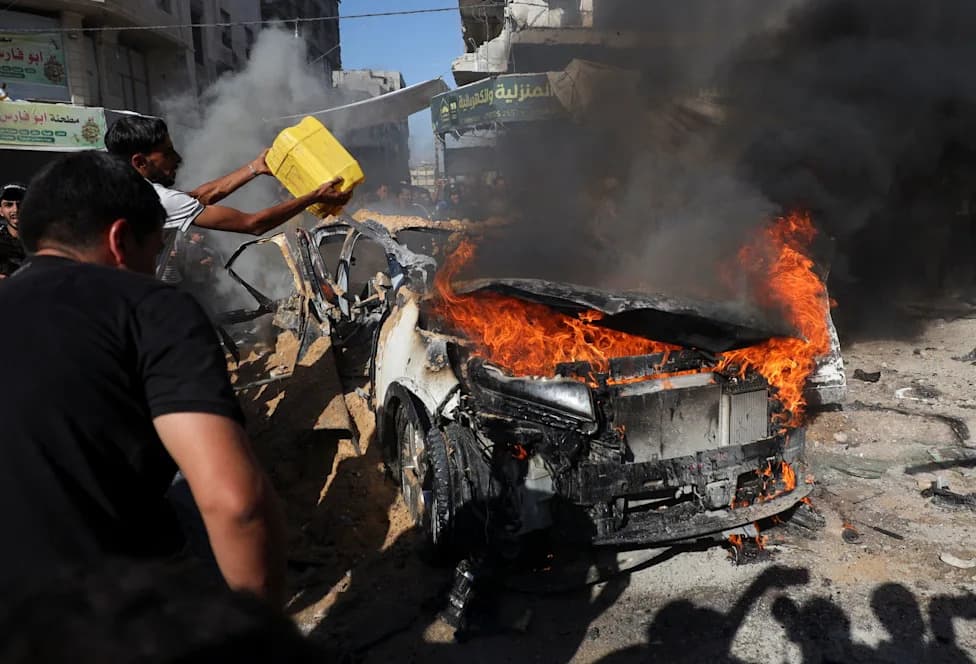
Smoke and flames rise following an Israeli military strike on a target next to a tent camp in Deir al-Balah, central Gaza Strip, Wednesday, March, 25, 2026.(AP Photo/Abdel Kareem Hana)(ASSOCIATED PRESS)
Recent Annual Figures
Last year alone, at least 326 aid workers were recorded killed across 21 countries. In 2024 a record 383 humanitarian workers were killed while distributing food, water, shelter and medicine. Many of those who died were travelling in clearly marked convoys or on missions coordinated directly with local authorities.
Beyond Killings: Restrictions, Detentions and Gender-Based Bans
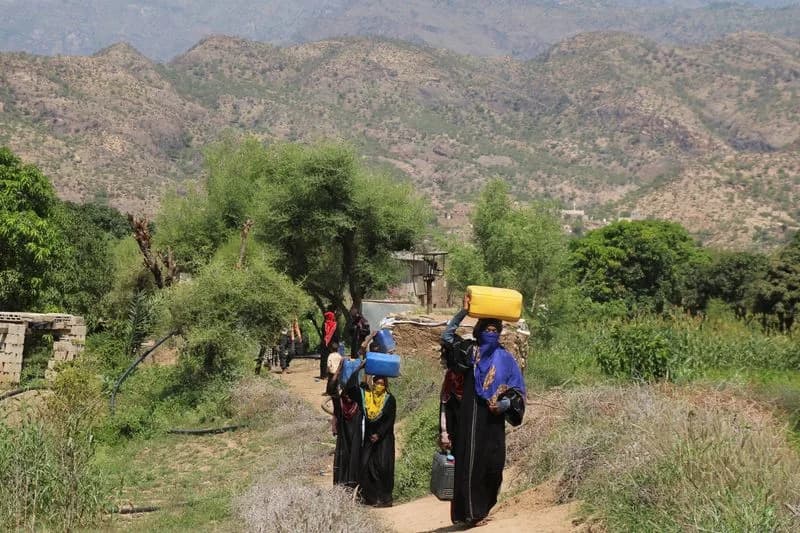
Fletcher warned that humanitarian personnel are not only being killed but are increasingly restricted, penalized and delegitimized. Examples he cited include the arbitrary detention of 73 U.N. staff and dozens of NGO workers by Houthi rebels in Yemen; bans on female humanitarian staff performing duties in Afghanistan; restrictions imposed on U.N. and international organizations in Gaza; and drone attacks in Ukraine that have pushed aid workers away from front-line areas.
“Perhaps the most chilling question: If these deaths were ‘preventable’, why then were they not prevented?” Fletcher asked, pressing the Security Council to ask whether international law has become "inconvenient" or whether aid workers are now being treated as legitimate targets.
Fletcher also linked the surge in attacks to a collapse in funding for lifesaving operations, calling the combined trends a symptom of “a lawless, bellicose, selfish and violent world.” He challenged the U.N.’s 193 member states to implement the May 2024 resolution, protect humanitarian workers and ensure accountability for crimes against them.
Help us improve.