A new study concludes the Silverpit structure on the UK continental shelf was created by an asteroid impact more than 43 million years ago. The strike is inferred to have lofted water and debris that then collapsed back, generating a tsunami exceeding 328 feet in height. Seabed scars and many small craterlets indicate returning water and falling blocks reshaped the area within minutes to hours. The finding shows asteroid impacts can produce exceptionally large tsunamis with lasting geological evidence.
Ancient Asteroid Impact in the North Sea Likely Spawned a 328‑ft Mega‑Tsunami
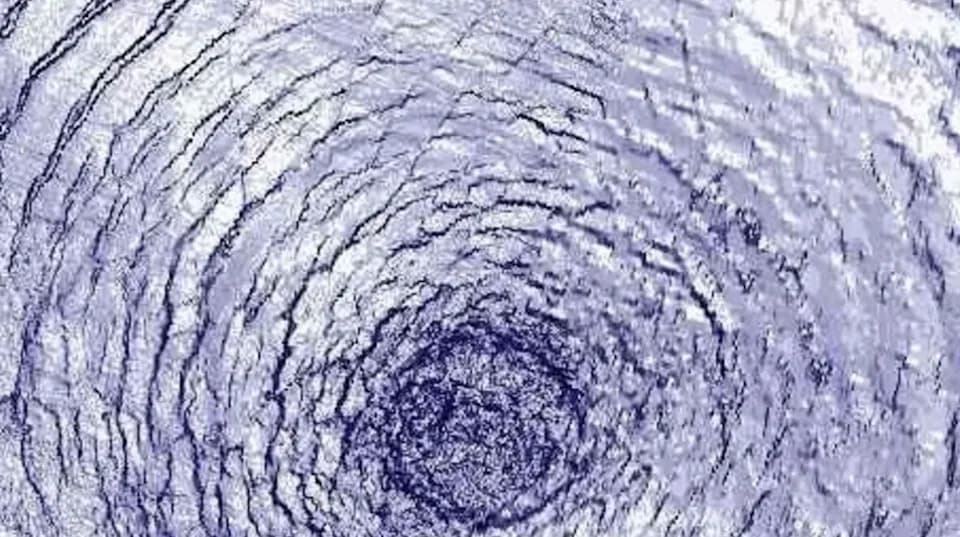
A seismic map of the Silverpit crater.Phil Allen (Production Geoscience Ltd) and Simon Stewart (BP)/Wikimedia Commons(Phil Allen (Production Geoscience Ltd) and Simon Stewart (BP)/Wikimedia Commons)
New research reinterprets the Silverpit feature on the UK continental shelf as the remnant of an asteroid impact that pumped a colossal tsunami into the North Sea more than 43 million years ago. The finding helps explain a long‑debated set of concentric rings and seafloor scars discovered off England’s east coast.
What the Study Found
For more than two decades geologists have argued over the origin of the Silverpit structure, a circular formation on the floor of the North Sea. A recent team analysis concludes the feature was created by an extraterrestrial impact roughly 43 million years ago. The strike excavated a crater and ejected water and seabed material upward; those materials then collapsed back, producing powerful returning flows.
Evidence for a Mega‑Tsunami
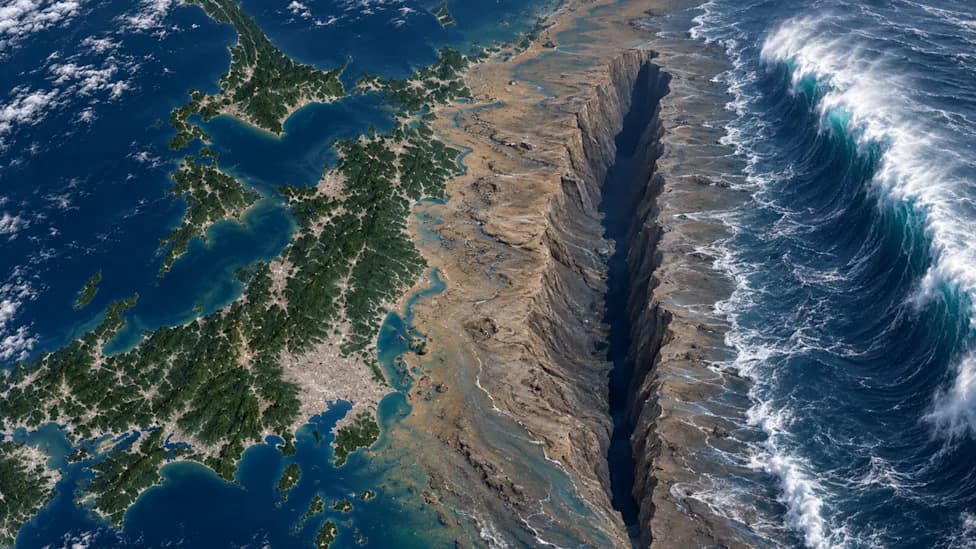
“Moments after impact, excavated water and rock surged upward and then rushed back into the hole with enormous force,” the researchers reported. From the modeled dynamics and mapped seabed features, the team inferred a tsunami that rose more than 328 feet (about 100 meters) above the surrounding water.
That wave height would exceed the Statue of Liberty’s full height from base to torch (about 305 feet). Nearby scarring and numerous small craterlets on the seabed are consistent with falling blocks and high‑velocity returning water that reshaped the area over minutes to hours.
Context and Significance
Most tsunamis are generated by tectonic displacement, but exceptionally large waves can also originate from massive landslides or from large objects striking the ocean—effectively a very large splash. The largest modern tsunami on record occurred in 1958, when a 1,720‑foot wave struck Lituya Bay, Alaska, after a massive landslide.
The Silverpit interpretation highlights how rare impact events can produce sudden, extreme marine hazards and leave lasting geological signatures. Scientists say continued study of Silverpit and similar features will improve understanding of how often such impacts occurred in Earth’s history and their regional environmental effects.
Reported originally via Earth.com and first published on Surfer (News) on Apr 8, 2026.
Help us improve.