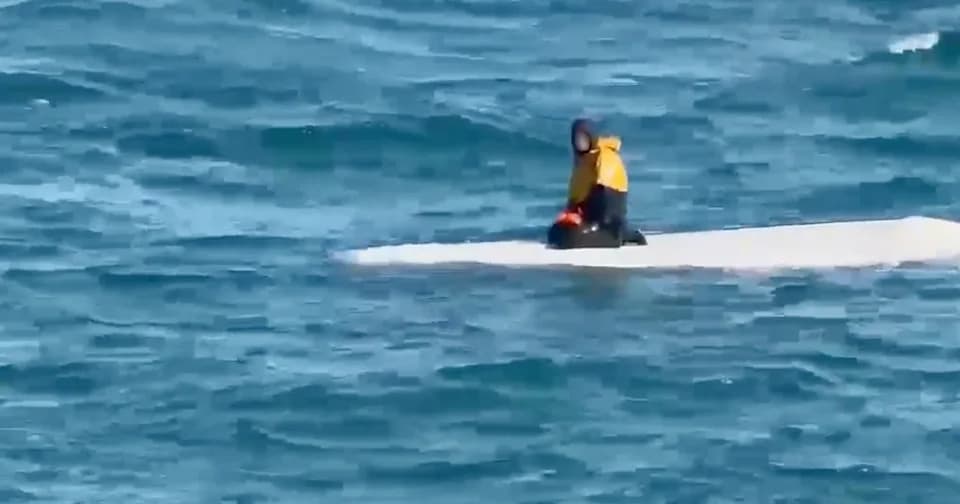
A cyclist attempting a crossing of the Snowy River near Suggan Buggan became stranded as rising water left them clinging to reeds and their bike for about four hours. After activating a satellite emergency device, the Rescue Coordination Centre tasked the Victoria Police Air Wing, which located and winched the rider to safety shortly after midnight. The 31-year-old was taken to hospital as a precaution and suffered no physical injuries; the rescue highlights the importance of preparation and reliable communication in remote areas.
Cyclist Clings to Reeds for Four Hours Before Dramatic Helicopter Winch Rescue from Snowy River
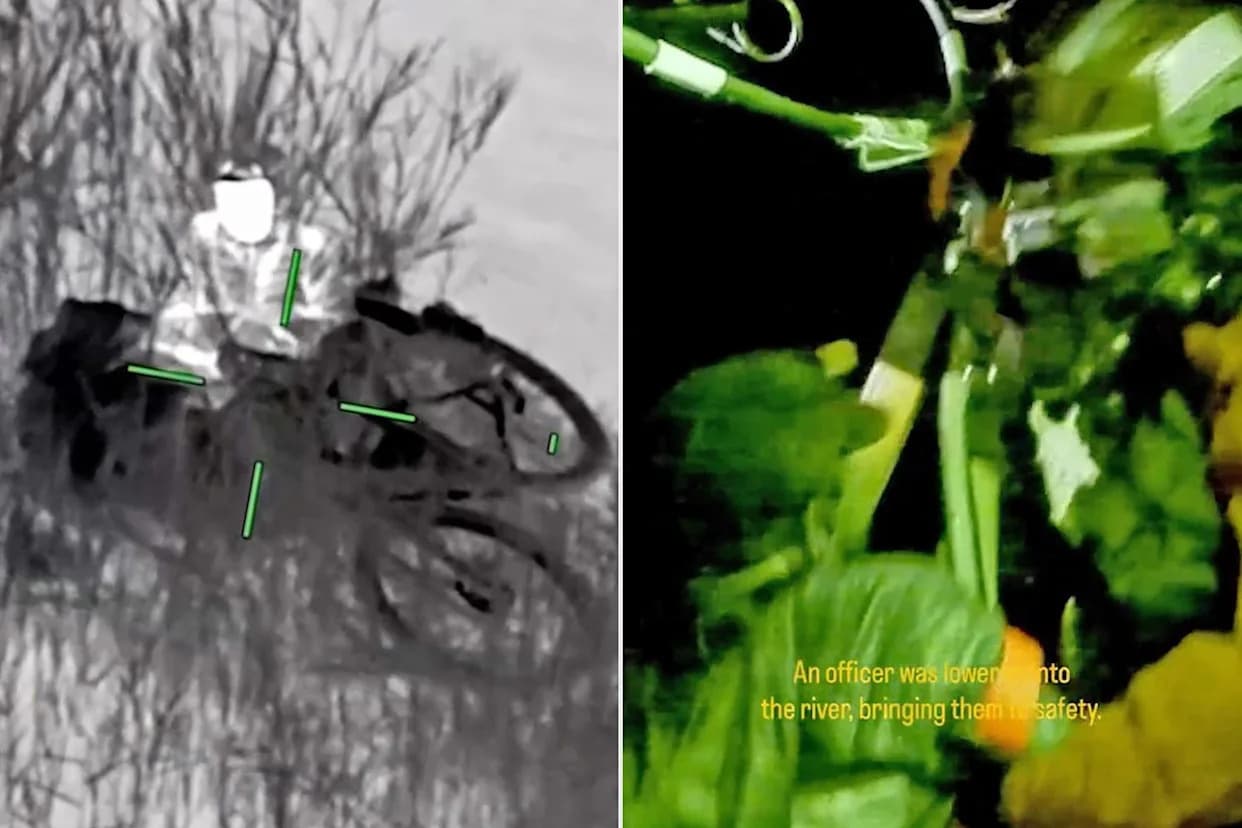
Cyclist rescued by Victoria PoliceCredit: Victoria Police/Instagram (2)
A late-evening river crossing near Suggan Buggan in Victoria turned into a tense four-hour ordeal for a cyclist after rising water left them stranded halfway across the Snowy River.
Rescue Triggered by Satellite Emergency Device
According to Victoria Police, the experienced rider set out to cross the Snowy River just before 8 p.m., but water levels rose unexpectedly and the cyclist became trapped about midway across the river. Clinging to reeds and their bicycle as the current flowed around them, the rider realized the situation was worsening and activated a satellite emergency device to alert the Rescue Coordination Centre.
Victoria Police Air Wing Executes Night Winch Rescue
The Victoria Police Air Wing was dispatched to the reported coordinates and searched the area from the air. After first spotting another cyclist on the riverbank, officers located the stranded rider in the water. An officer was lowered from the helicopter and, shortly after midnight, winched the cyclist safely aboard, ending the four-hour standoff.
The 31-year-old was transported to hospital for assessment as a precaution; authorities later confirmed they sustained no physical injuries.
“Incredible!!!! Well done guys. I got a bit emotional watching this,” one viewer wrote, while others praised the calm, professional response of the rescue team.
Key Takeaway
The incident underscores how quickly conditions can change in remote outdoor areas—even for experienced riders—and highlights the lifesaving value of carrying reliable communication and emergency-location devices when travelling in isolated regions.
Practical Advice: Check river conditions and weather forecasts before attempting crossings, avoid night crossings where possible, carry a satellite beacon or PLB in remote areas, and let someone know your route and expected return time.
Help us improve.